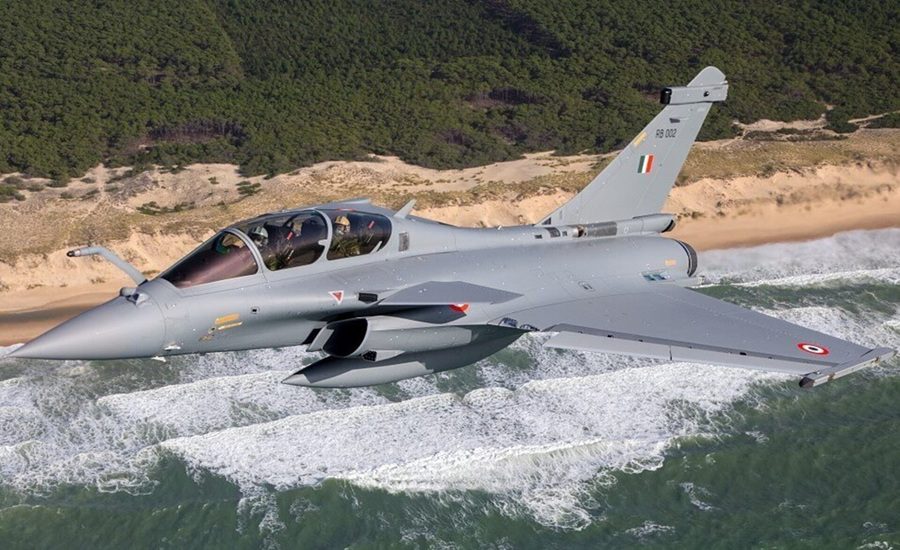
Nagpur: In a significant development for India’s defence and aerospace ambitions, Dassault Aviation is likely to manufacture up to 24 Rafale fighter jets annually in Nagpur, according to information emerging from recent industry and strategic discussions.
The move is expected to integrate dozens of Indian companies—such as Tata Group, Mahindra Group, and Dynamatic Technologies—into the Rafale global supply chain, marking a decisive step forward for India’s “Make in India” and defence indigenisation goals.
If implemented, this would be the first time Rafale fighters are produced at scale outside France, underlining India’s growing importance in global defence manufacturing.
Why Does Dassault Choose India for Rafale Production
The choice of Nagpur is driven by several strategic and logistical factors:
- Central location with excellent rail, road, and air connectivity
- Proximity to existing aerospace and defence manufacturing clusters
- Availability of skilled manpower and industrial land
- Strong state-level support for defence and high-tech manufacturing
Nagpur has steadily emerged as a preferred destination for aerospace investments, and a Rafale production line would elevate the city into a global defence manufacturing hub.
Details of Rafale Production in India
Sources indicate that the proposed facility could manufacture up to 24 Rafale jets annually, a scale sufficient to:
- Meet future Indian Air Force (IAF) requirements
- Support potential export orders from friendly foreign nations
- Reduce delivery timelines compared to imports from France
#Dassault likely to produce upto 24 #Rafales annually in #Nagpur; dozens of Indian firms including #Tata, #Mahindra, #Dynamatic, etc. to be part of the supply chain. pic.twitter.com/Kk5dCZV9Jg
— News IADN (@NewsIADN) January 15, 2026
This production rate aligns with global Rafale demand and could give India a key role in Dassault’s long-term international order book.
List of Indian Companies in the Rafale Supply Chain
One of the most consequential aspects of this development is the deep integration of Indian firms into Rafale manufacturing.
Key Indian Participants Likely to Be Involved
- Tata Group – aerostructures, systems integration, and precision manufacturing
- Mahindra Group – aerospace components, metallic and composite structures
- Dynamatic Technologies – complex aero-structures and sub-assemblies
- Several MSMEs supplying wiring, avionics housings, composites, fasteners, and tooling
This ecosystem approach ensures that Rafale production in India goes beyond simple assembly and moves toward high-value manufacturing and technology absorption.
Rafale Production in India: Technology Transfer and Skill Development
Local Rafale production would involve extensive technology transfer, including:
- Advanced composites manufacturing
- Precision machining and aero-structures
- Quality assurance and certification to global military standards
- Integration of avionics, sensors, and mission systems
Thousands of Indian engineers and technicians are expected to be trained to international aerospace standards, creating a long-term talent base for both defence and civilian aviation.
What are the Impact of Rafale Production in India
For the Indian Air Force, domestic Rafale production offers several strategic advantages:
- Faster induction of new squadrons
- Lower lifecycle and maintenance costs
- Improved availability of spares and upgrades
- Greater operational sovereignty during crises
With regional security challenges increasing, assured and scalable domestic production strengthens India’s air power readiness.
Boost to “Make in India” and Defence Exports
This initiative aligns closely with India’s defence manufacturing roadmap:
- Reduces dependence on imports
- Strengthens India’s position as a defence exporter
- Enhances credibility with global OEMs
- Positions India as a Rafale export manufacturing base for Asia, Africa, and the Middle East
If successful, the Nagpur Rafale line could serve both Indian and international customers.
What are the Significance of Rafale Production in India
The move also carries geopolitical weight:
- Reinforces India–France strategic partnership
- Signals trust in India’s industrial and security ecosystem
- Enhances India’s standing in the global defence supply chain
- Provides an alternative production base amid global supply disruptions
For France and Dassault, India offers scale, stability, and long-term demand.