New Delhi: The Gas Turbine Research Establishment (GTRE) — a DRDO lab in Bengaluru — has issued a major Expression of Interest (EoI) inviting Indian defence and aerospace firms to partner in developing a next-generation high-thrust aero engine for sovereign military use.
This move marks one of the most significant pushes yet for self-reliance in jet engine technology in India’s defence ecosystem.
What Is the High-Thrust Aero Engine Program?
GTRE’s latest initiative — dubbed the Advanced High-Thrust Class Engine (AHTCE) program — aims to build an indigenous aero gas turbine engine capable of producing over 110 kilonewtons (kN) of thrust. Such engines are vital for powering advanced combat jets, especially future stealth aircraft like the Advanced Medium Combat Aircraft (AMCA) MK-2.
Read also: What Is the Su-57E and Why Is India in Talks With Russia for Joint Production?
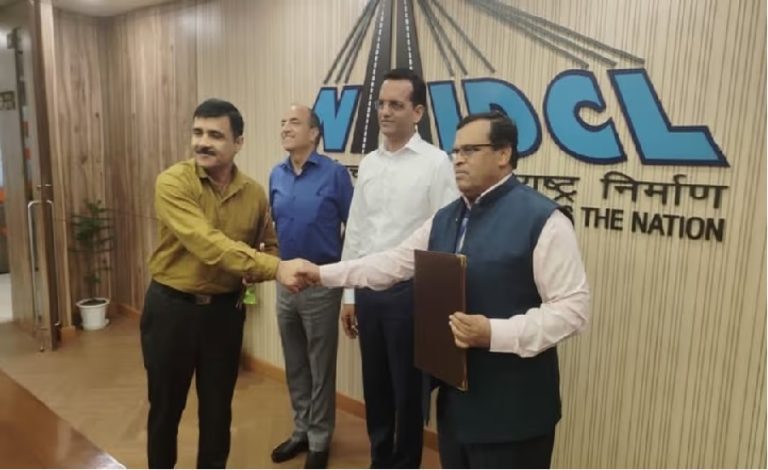
The EoI, released on 28 January 2026, seeks a Development-cum-Production Partner (DcPP) from the private sector. The selected partner will work alongside GTRE throughout the engine lifecycle — from detailed design to testing, certification, and early production batches.
Importance of High-Thrust Aero Engine
India has long relied on foreign engines for its fighter fleets. Western companies like General Electric supply lower-thrust engines, and India is negotiating production deals for the GE F414. But those deals don’t give full technology ownership.
The AHTCE initiative, by contrast, is aimed at true sovereignty — meaning India controls the design, technology, and production under domestic intellectual property rights.
2. Critical for Next-Gen Combat Jets
High-thrust engines are not optional — they’re essential for 5th and 6th generation fighters to achieve high speed, supercruise, and strong manoeuvrability. Platforms such as the AMCA and future unmanned combat vehicles rely on engines around 110-130 kN thrust.
What’s Needed from the Private Sector
GTRE’s EoI spells out strict requirements for interested partners:
- Proven manufacturing capabilities in high-precision aero components
- Expertise with advanced metallurgy (e.g., single-crystal turbine blades)
- Quality systems compliant with military standards
- Demonstrated experience in aerospace production environments
Potential Indian partners include established aerospace suppliers such as Tata Advanced Systems, Godrej Aerospace, and Bharat Forge, which already manufacture critical engine modules under other contracts.
Program Timeline and Expectations
While GTRE’s EoI is an early step, the roadmap for the high-thrust engine is firming up:
- Design & Initial Development: Next 2–4 years
- Ground Testing: By late 2029
- Flight Testing: Targeted by early 2030s
- Final Certification & Production: By 2032–2033
Indian industry responses will be evaluated soon, with shortlisting expected in the coming months.
How This Fits Into India’s Wider Aerospace Strategy
This initiative complements India’s broader defence indigenisation efforts under Atmanirbhar Bharat. By involving private firms early, DRDO aims to stimulate a local supply chain capable of supporting high-technology defence manufacturing.
International Partnerships Still Matter
India is also engaged in talks with international original equipment manufacturers (OEMs) like Safran for co-development of a 120 kN engine with full technology transfer. Those collaborations aim to accelerate capability, but GTRE’s AHTCE project focuses squarely on building domestic capability from the ground up.
Challenges and Roadblocks Ahead
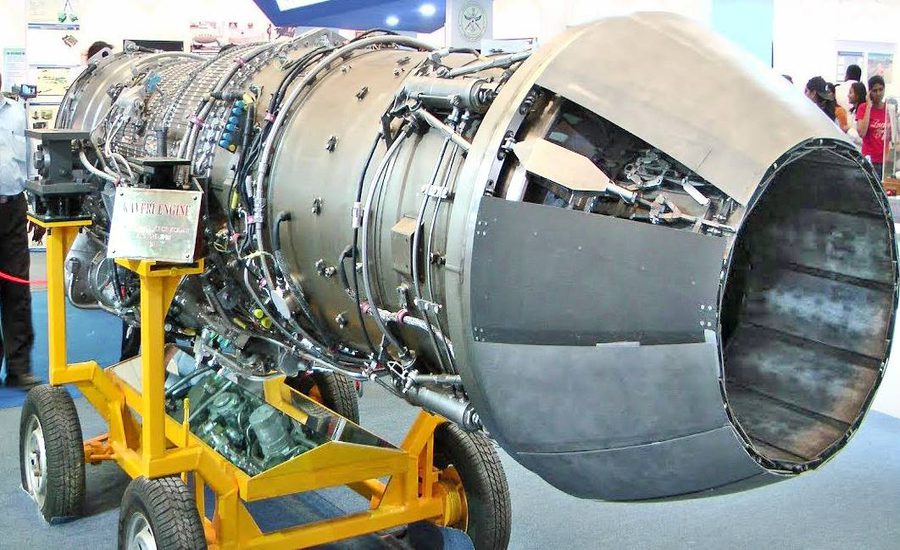
Developing a high-thrust aero engine is one of the most complex tasks in aerospace engineering. India’s earlier Kaveri engine program faced delays due to technological gaps, material challenges, and lack of specialised test facilities.
But the latest initiative is structured to overcome these hurdles by sharing risk with industry and ensuring access to state-of-the-art manufacturing standards early in the process.
Strategic Impact on India’s Defence Posture
Achieving a sovereign high-thrust aero engine will significantly reduce India’s dependence on imports for critical propulsion systems — a key weakness in past decades. It will also place India among a select group of nations capable of designing and building high-performance military jet engines.
A successful partnership between GTRE and private Indian industry could reshape the future of Indian military aviation and strengthen the nation’s defensive and technological posture in a changing geopolitical environment.
Read also: DRDO Surya Laser Weapon Explained: Range, Technology, Capabilities, and Strategic Impact