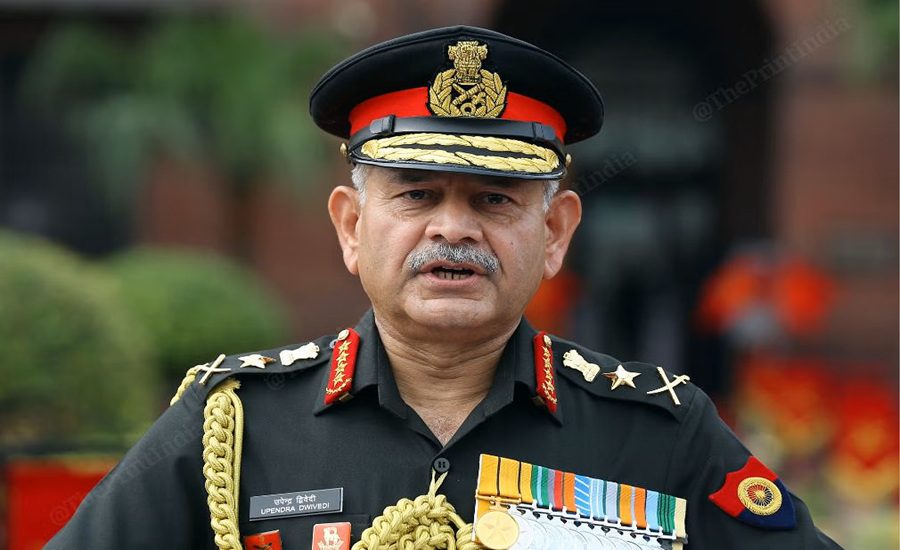
New Delhi: India’s military strategy is entering a new phase as Chief of Army Staff General Upendra Dwivedi publicly detailed an expansive roadmap to enhance strike capabilities and unmanned systems.
Speaking at the 2026 Annual Army Press Conference in New Delhi, General Dwivedi highlighted plans for a dedicated rocket-missile force, a dramatic scaling up of indigenous drone production, and structural improvements in defence preparedness — signaling a major shift in India’s conventional defence posture amid emerging regional security challenges.
Why Does India Need for a Rocket-Missile Force
Addressing the press, General Dwivedi said India is actively moving toward establishing a rocket-missile force capable of unified operations with both rocket artillery and guided missile platforms.
Read also: Explained: What Are Solar-Powered Spy Drones and Why Is the Indian Army Deploying Them Now?
He said rockets and missiles in modern warfare have become intertwined and that developing a combined force would help India keep pace with neighbouring rivals.
> “We need a missile force… rockets and missiles have become intertwined because if we want to achieve an impact, both rockets and missiles can deliver it,” he said.
The Army Chief pointed to comparable units in Pakistan and China, underscoring that both nations have already developed similar capabilities — necessitating a robust Indian response.
Strategic analysts have previously underscored the growing importance of medium-range rocket formations in South Asia’s evolving security ecosystem.
Such forces, like Pakistan’s Rocket Command and China’s Rocket Force, play critical roles in deterrence and precision strike doctrine — pushing India to explore a similar path.
Building on Indigenous Missile Successes
General Dwivedi referenced key milestones in Indian missile development, including operational systems such as:
- Pinaka multi-barrel rocket launchers
- Pralay tactical ballistic missiles
- BrahMos supersonic cruise missile
He highlighted ongoing and future contracts that aim to extend operational rocket ranges from approximately 150 km to 300–450 km and beyond — significantly enhancing battlefield reach and strategic depth.
These advancements resonate with broader defence modernization trends, including Project Kusha — an extended air-defence program — and the proposal of the Integrated Rocket Force, envisioned as a tri-service conventional strike arm.
Massive Upscaling of Drone Capabilities
In a striking pivot to unmanned systems, the Army Chief announced that every Indian Army command has either produced or is capable of producing at least 5,000 drones — far beyond simple reconnaissance units.
These include medium- and long-range UAVs, with operational testing already demonstrating ranges of about 100 km.
He affirmed that India intends to expand drone ranges and capabilities further, aligning with lessons from recent global conflicts where UAVs and loitering munitions have significantly influenced battlefield dynamics.
Domestic production aligns with the government’s Aatmanirbhar (self-reliant) defence framework, aimed at reducing import dependency and fostering indigenous defence manufacturing.
Integrating Defence Progress with National Strategy
General Dwivedi praised India’s defence developments in 2025, attributing progress to key national directives and reforms:
- JAI — Jointness, Aatmanirbhar, Innovation initiative
- Defence reform emphasis by the Ministry of Defence
- Enhanced infrastructure on vulnerable borders
These strategic pillars have strengthened joint operations and accelerated innovation across Army units, defence research labs (like DRDO), and private industry partners including HAL, TATA Advanced Systems and others.
What Is the Indian Army’s Mobile Drone Lab? How It Can Transform Indian Army to Super Army