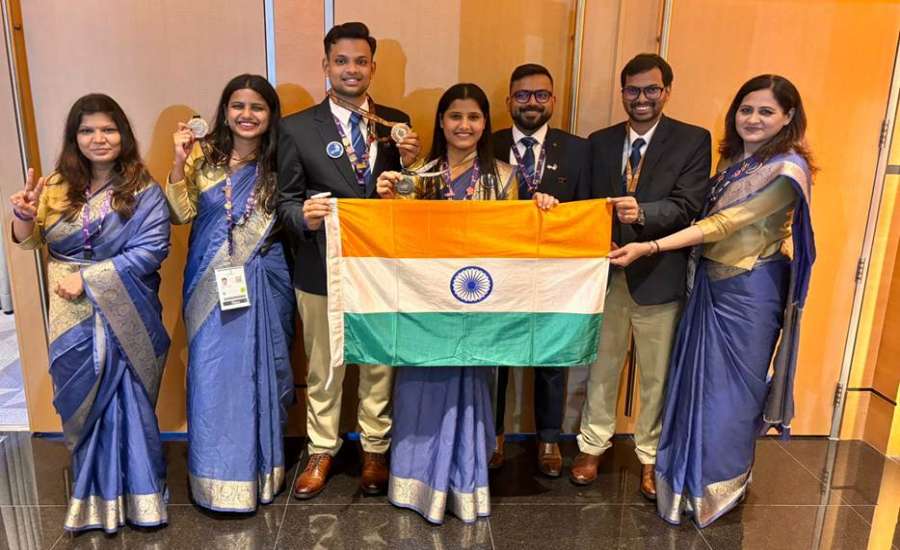
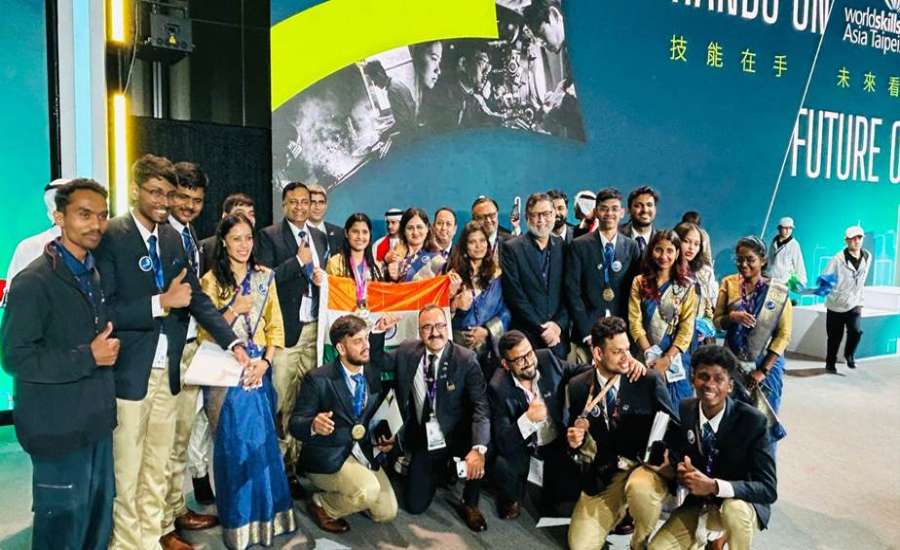
New Delhi: In a major milestone for the nation’s skill-development ambitions, India concluded its first-ever participation at the WorldSkills Asia Competition 2025 (WSAC 2025) with an impressive 8th place finish among 29 participating countries.
The result — one Silver, two Bronze medals and three Medallions for Excellence — marks a strong statement of intent by India on the continental stage of vocational and technical skills.
What is WorldSkills Asia & Significance of 2025 Edition
WorldSkills Asia is the regional off-shoot of the global skill-competition movement, providing a competitive platform for young talent from Asia to showcase their mastery in trades ranging from traditional crafts to modern technology-driven competencies. The 2025 edition saw participation from 29 member and guest countries.
For India, this debut is not merely a participation. It is a statement of its growing ambition to evolve from a manpower-rich country to a skills-rich economy — aligning with national aspirations to build a globally competitive workforce.
Indian Delegation: Who Represented the Nation in WorldSkills Asia 2025
The Indian contingent, orchestrated under the aegis of the Ministry of Skill Development and Entrepreneurship (MSDE), along with support from its technical partners including National Skill Development Corporation (NSDC), comprised:
- 23 competitors, competing across 21 skill categories.
- 21 experts accompanied them as mentors and guides during the competition.
This team brought together diverse skills — from traditional crafts to cutting-edge technologies — reflecting the broad scope of India’s skilling ecosystem.
Medal Tally & Standout Performances in WorldSkills Asia 2025
India’s debut at WSAC 2025 resulted in an impressive haul across various domains:
| Award | Skill/Trade | Recipient |
| Silver | Painting & Decorating | Muskan |
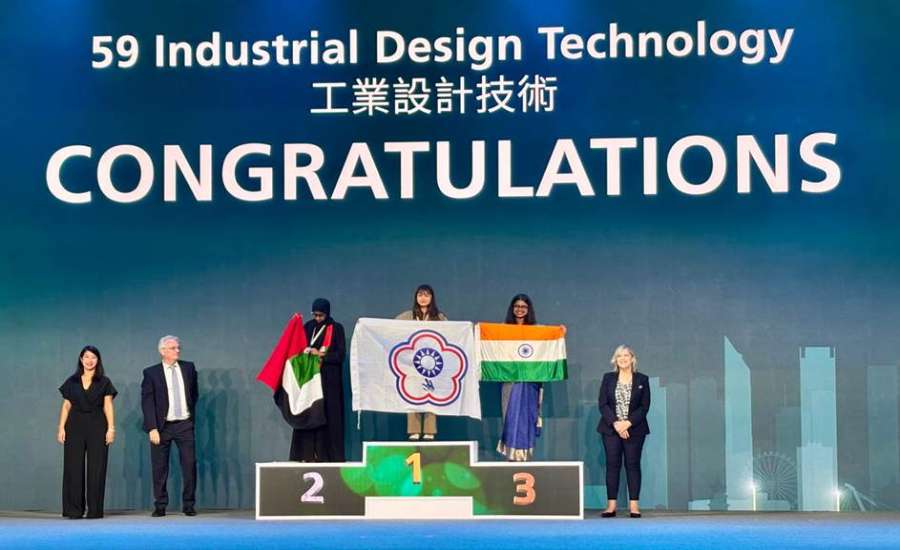
| Bronze | Industrial Design Technology | Komal Panda |
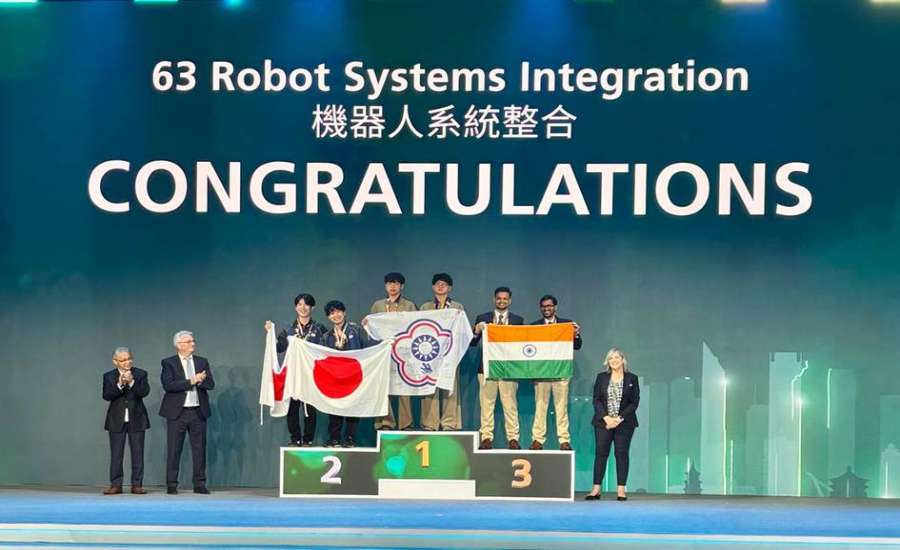
| Bronze | Robot System Integration | Shivam Singh & Dinesh R |
| Medallion for Excellence | Software Application Development for Business | Mohamed Mafaz P R |
| Medallion for Excellence | Web Technologies | Aditya Nandan |
| Medallion for Excellence | Electrical Installations | Dhanush M G |
It’s noteworthy that while traditional skills such as Painting & Decorating and Industrial Design were recognized, tech-driven trades like Robot System Integration and Web Technologies also prominently featured — indicating India’s balanced growth between heritage crafts and modern skills.
An important highlight was the significant contribution from women competitors. Many of India’s top performances came from female participants, especially in non-traditional trades, underscoring a rising tide of female leadership and participation in India’s skilling ecosystem.
Leadership Speaks: Government Response & Outlook
Commenting on the achievement, Jayant Chaudhary, Minister of State (I/C) for Skill Development & Entrepreneurship and Minister of State for Education, Government of India, said:
“India’s performance at WorldSkills Asia 2025 reflects the confidence, creativity, and discipline of our young talent. Every medal and every recognition earned here is a testament to the hard work of our competitors, the dedication of their trainers, and the growing strength of India’s skills ecosystem… As we move towards a more technology-driven and globally connected economy, these achievers remind us that skills are not just tools of employability — they are instruments of national progress.”
The success at WSAC 2025 is viewed as a validation of India’s ongoing efforts to strengthen its skill development infrastructure — a key priority under MSDE and its partner agencies.
Behind the Success: Training, Selection & Preparation
The road to WSAC 2025 began with the national-level selection via the IndiaSkills National Competition 2024, where top talent from across the country competed for a chance to represent India at the continental stage.
Following selection, competitors underwent months of rigorous, industry-led training supported by leading academic institutions, Sector Skill Councils, and global experts — ensuring that they were ready to meet world-class benchmarks.
By blending traditional craftsmanship with modern trades, and by leveraging both institutional guidance and industry-driven training modules — India’s preparation model seems to have delivered dividends in its debut outing.
Key Implications & What This Means for India’s Skill Ecosystem
Validation of National Skilling Agenda: India’s performance reflects the effectiveness of nationwide skilling initiatives, and substantiates that the country is on the path to establishing itself as a hub of skilled talent.
Bridging Traditional and Modern Trades: Success across both age-old and futuristic trades — from Painting & Decorating to Robot Integration and Web Technologies — signals a balanced skilling ecosystem.
Women’s Participation & Empowerment: The prominent role of women competitors highlights shifting dynamics: more Indian women are stepping into non-traditional trades, challenging stereotypes and strengthening workforce diversity.
Global Competitiveness & National Pride: Finishing 8th among 29 Asian nations in the debut effort boosts India’s global standing and sends a message that Indian youth can compete on international platforms with confidence, precision and excellence.
Momentum for Future Events: The result sets a strong precedent. With WSAC 2025 behind, India is poised for higher aspirations. Preparations are likely underway to build on this momentum for future global skill events.
Key Challenges & The Road Ahead
While the debut has been stellar, sustaining and improving this performance will require sustained investment in training infrastructure, upskilling instructors, expanding the reach of vocational training across rural and urban India, and ensuring equal opportunities — especially for women and under-represented groups.
Moreover, as trades evolve rapidly with technology, India’s skill development ecosystem will need to stay agile, regularly updating curricula and fostering public–private partnerships for real-world exposure.