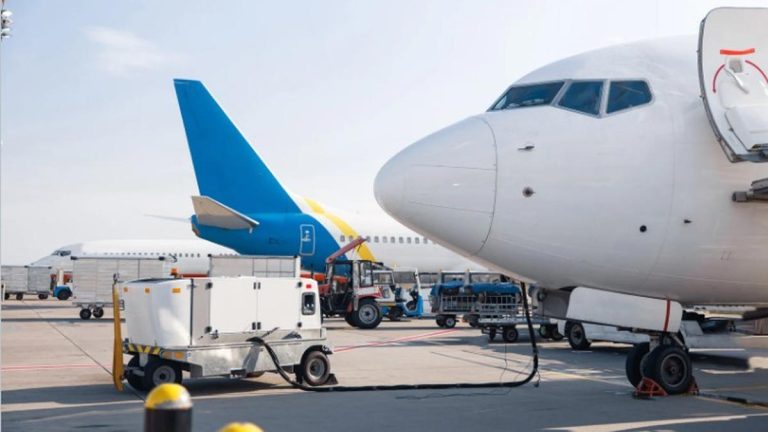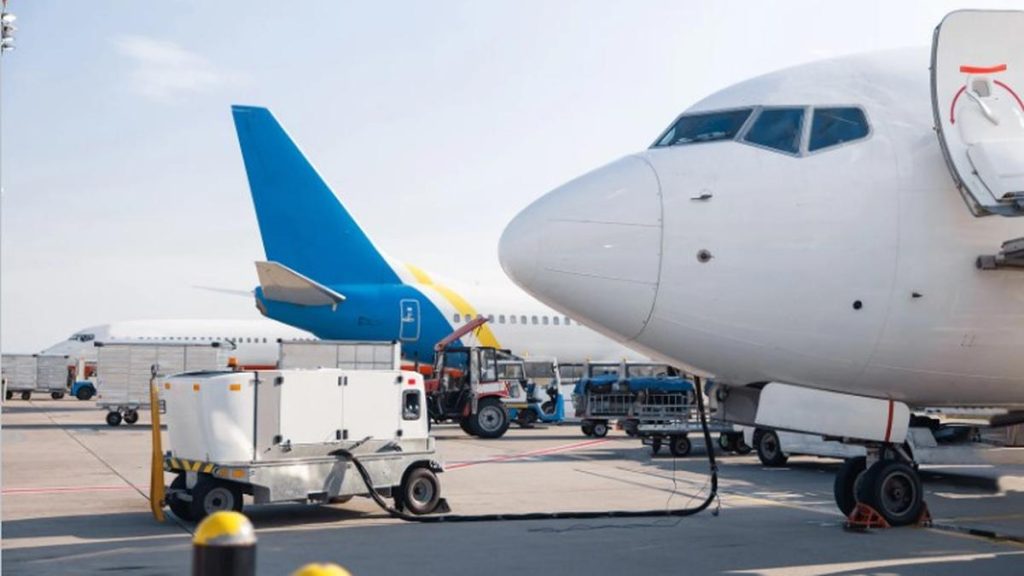
New Delhi: Amid escalating geopolitical tensions in West Asia and the reported closure of the Strait of Hormuz, the Government of India has stepped in to cushion the domestic aviation sector and air travellers from a sharp spike in aviation turbine fuel (ATF) prices.
ATF prices in India, which have been deregulated since 2001 and are revised monthly based on international benchmarks, were expected to surge by over 100% from April 1 due to extraordinary volatility in global energy markets. The crisis has significantly disrupted crude oil supply chains, pushing up fuel prices worldwide.
However, in a calibrated move aimed at insulating domestic air travel from steep cost escalations, public sector oil marketing companies (OMCs), under the Ministry of Petroleum and Natural Gas, in consultation with the Ministry of Civil Aviation, have decided to pass on only a partial increase in ATF prices to domestic airlines. Instead of the full hike, airlines will face a staggered increase of about 25%, translating to roughly ₹15 per litre.
Relief for Airlines
The decision comes as a major relief for Indian airlines, for whom fuel constitutes nearly 35-40% of operating costs. A full pass-through of the global price surge could have severely strained airline balance sheets, forcing carriers to either absorb heavy losses or sharply increase airfares.
Read Also: Oil Wars and India’s Petroleum Security: Why Gulf Conflicts Hit Your Fuel Tank
By limiting the immediate burden, the government has provided breathing space to airlines, enabling them to maintain operational stability, avoid sudden fare shocks, and sustain passenger demand during a period of global uncertainty. The staggered hike is only a temporary buffer. If global crude prices remain elevated for a prolonged period, airlines may still face margin pressures in the coming months.
ATF prices in India were deregulated in 2001 and are revised on monthly basis based on a formula of international benchmarks. Due to the closure of Strait of Hormuz and extraordinary situation in global energy markets, price of ATF for domestic markets was expected to increase by…
— Ministry of Petroleum and Natural Gas #MoPNG (@PetroleumMin) April 1, 2026
Impact on International Travel
In contrast, ATF prices for international routes will reflect the full extent of the global increase. Airlines operating overseas flights will bear the complete cost escalation, in line with international pricing norms.
This is expected to lead to higher ticket prices on international routes, particularly for long-haul destinations, as carriers pass on the increased fuel costs to passengers. Travellers flying abroad may therefore witness a noticeable rise in fares in the near term.
Benefit for Common People
For domestic passengers, the government’s intervention is likely to prevent a sharp spike in airfares. At a time when households are already grappling with global inflationary pressures, the move provides significant relief by keeping travel more affordable.
The decision complements recent measures such as the reduction in excise duty on petrol and diesel by ₹10 per litre and adjustments in commercial LPG prices, reflecting a broader strategy to shield consumers from the adverse impact of global energy shocks.
Affordable domestic air travel is particularly crucial in India, where aviation has become an essential mode of transport for business, tourism, and regional connectivity under schemes like UDAN. A steep fare hike could have dampened demand, affecting both passengers and the wider economy.
Balancing Act Amid Global Crisis
The government’s approach highlights a delicate balancing act protecting consumers and key sectors like aviation while managing the fiscal and operational implications for oil companies. As the Middle East crisis continues to unfold, the trajectory of global oil prices remains uncertain. Policymakers may need to recalibrate their strategy depending on how long supply disruptions persist.
For now, the staggered ATF price hike offers a crucial cushion to both airlines and millions of domestic flyers, helping India’s aviation sector navigate turbulence in global energy markets while keeping the common traveller’s journey relatively affordable.
Read Also: NRL and NIPER-Guwahati Sign MoA to Develop APIs from Petroleum and Biomass Feedstocks