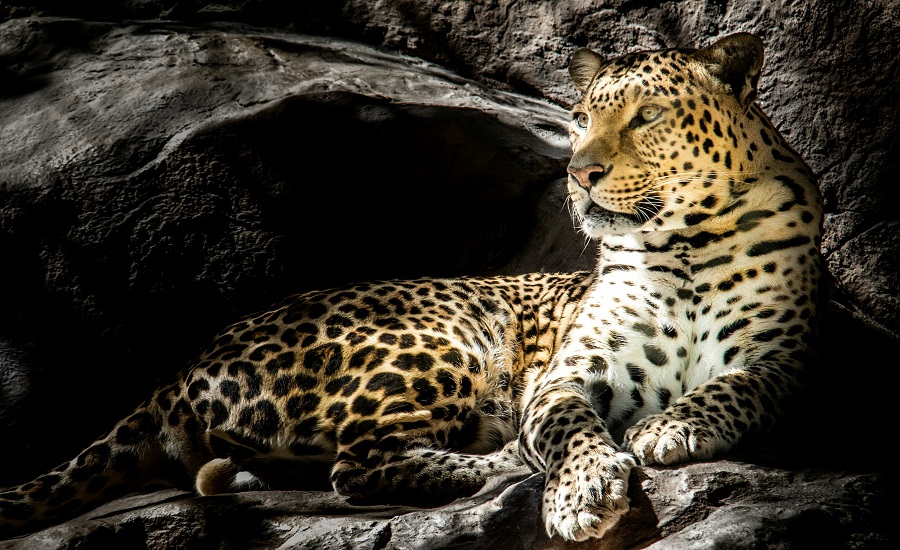
Gandhinagar: The leopard population in Gujarat has seen a significant increase over the past few years, leading to a rise in incidents of leopards entering human settlements and attacking people. In response to this growing concern, the Gujarat Forest Department is now exploring the creation of a large-scale dedicated rescue centre or sanctuary for leopards.
Proposed Location and Scope of the Facility
According to sources, the proposed facility may be developed in either the Saurashtra region or South Gujarat, where leopard numbers are comparatively higher. Recently, during a meeting of the State Wildlife Board, Chief Minister Bhupendra Patel instructed the Forest Department to examine the possibility of establishing a separate sanctuary specifically for leopards.
The new centre may not only house leopards but could also accommodate species such as nilgai and wild boars, which serve as natural prey for leopards. This initiative could help control populations of these crop-damaging animals, as Gujarat is home to an estimated 2.24 lakh nilgai, while the exact number of wild boars remains unrecorded.
Read also: Gujarat CM Launches ‘Mukhyamantri Gramotthan Yojana’ to Modernize 114 Rural Taluka Headquarters
Current Facilities and Proposed Plans
At present, Gujarat has 8 to 10 small rescue centres for leopards located in areas like Sasan, Pavagadh, and Jambughoda, where man-eating leopards are kept for life. Experts suggest that if a large rescue centre is developed covering 5 to 10 hectares, it would require approval from the National Zoo Authority. In contrast, a new sanctuary on a similar scale could be established under the independent decision of the state government.
Rapid Growth of Leopard Population in Gujarat
The last leopard census in Gujarat, conducted in 2023, recorded 2,274 leopards, compared to 1,395 in 2016, indicating a 63% increase in the population over seven years. Sources report that the Saurashtra and South Gujarat regions have witnessed particularly rapid growth, highlighting the urgent need for dedicated management and rescue initiatives.
Balancing Wildlife Conservation and Human Safety
Experts believe that the proposed facility could serve multiple purposes: protecting leopards, providing prey for them, controlling nuisance animals, and minimizing human-wildlife conflict. With the rising leopard population and increasing encounters with humans, the state government is under pressure to ensure both wildlife conservation and public safety.
Read also: Gujarat to Build ₹13,000-Crore International MediCity Near Kalol, Inspired by Dubai Healthcare City