Ahmedabad: Gujarat has recorded one of the fastest expansions in renewable energy capacity among Indian states, marking a significant step towards sustainable power generation. Between April and October 2025, the state added nearly 7.5 gigawatts (GW) of green energy, bringing its total installed renewable capacity to approximately 40.7 GW, up from 33.3 GW at the close of the previous financial year.
Officials attribute this growth to a combination of proactive policy measures, faster project clearances, and improved grid connectivity, positioning Gujarat as a leading hub for renewable energy in the country.
Solar Power Leads the Green Energy Push
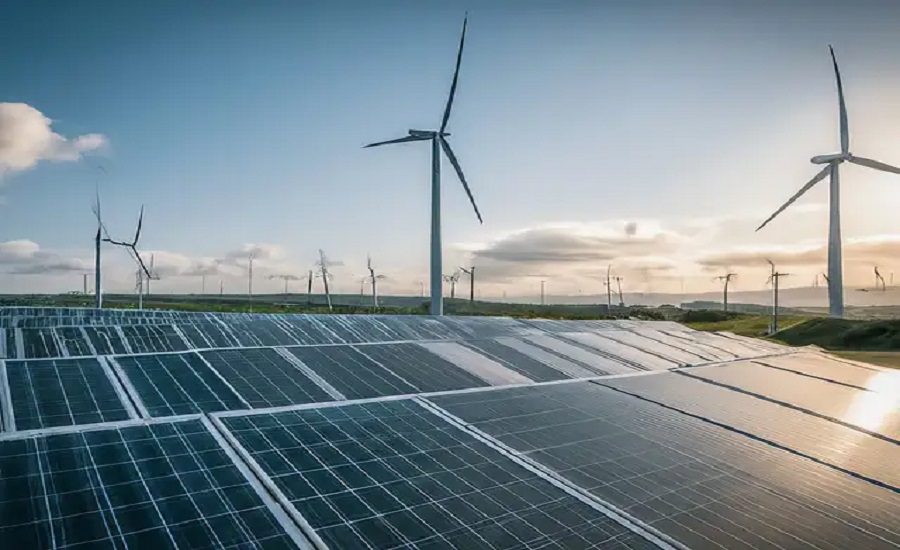
Solar power continues to form the backbone of Gujarat’s renewable energy strategy. Projects commissioned in the first seven months of the financial year raised the state’s cumulative solar capacity to around 24.1 GW. Wind energy remains a major contributor as well, with installations reaching approximately 14.5 GW. The remaining capacity comes from smaller segments such as biomass, small hydro, and hybrid projects.
Officials point to streamlined land allotments, faster regulatory approvals, and enhanced grid access in renewable-rich districts as key enablers for the accelerated project commissioning.
Industrial Shift Boosts Renewable Adoption
Industrial consumers in Gujarat are increasingly transitioning to clean energy to meet sustainability goals and achieve cost efficiency. This growing demand has incentivized developers to fast-track their projects. Several large solar and wind parks, which had previously faced delays due to regulatory hurdles, were finally commissioned during this period.
Transmission upgrades and dedicated evacuation corridors have further facilitated the seamless integration of new renewable capacity into the state’s power network.
Towards 100 GW by 2030
Officials believe that with continued policy support and timely investments in grid flexibility and energy storage solutions, Gujarat is well positioned to achieve its long-term target of 100 GW of renewable energy by 2030. The increased share of green power has also helped reduce dependence on conventional fossil fuels, enhancing energy security for the state.
However, experts note that rooftop solar and small-scale distributed energy adoption still lags behind expectations. Strengthening these segments, alongside accelerating storage infrastructure, will be essential to ensure that Gujarat’s renewable energy growth remains stable, cost-effective, and sustainable in the years ahead.
Looking Ahead
With strong government backing, rising industrial adoption, and significant capacity additions in large-scale projects, Gujarat is emerging as a national leader in renewable energy. The state’s continued focus on policy reforms, grid modernization, and storage solutions will be critical to sustaining its momentum and achieving its ambitious green energy targets.