Gandhinagar/Ahmedabad: Seven cities in Gujarat are rapidly emerging as economic and industrial growth hubs, fueled by major infrastructure investment, industrial expansion, real estate development, and rising employment opportunities. State-level capital expenditure has surged, reflecting a strategic push to convert infrastructure spending into long-term economic growth.
Rather than concentrating development in a single metropolitan centre, Gujarat’s approach is deliberately spread across multiple urban and industrial nodes, ranging from financial and technology hubs to port cities and manufacturing towns. This distributed growth model is reshaping the state’s economic geography, creating employment, attracting private investment, and boosting real estate demand.
Ahmedabad and Dholera: Old Core, New Future
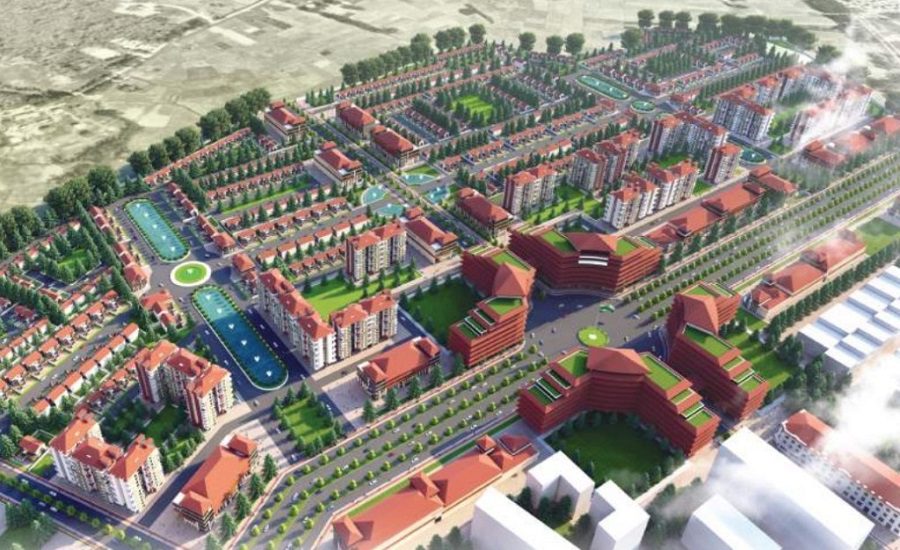
Ahmedabad remains the state’s economic anchor, but its future growth is extending beyond the city’s limits. The Dholera Special Investment Region (SIR) is rapidly taking shape as a planned industrial and urban centre, supported by expressway connectivity, a future international airport, and integrated infrastructure.
The Ahmedabad–Dholera Expressway is progressing steadily, expected to significantly reduce travel time once completed. Sustainability measures, including large-scale use of recycled industrial waste in construction, are a key focus. The first phase of Dholera SIR is nearing readiness, while Ahmedabad’s urban development is expected to gain momentum ahead of the 2030 Commonwealth Games.
Gandhinagar: GIFT City Drives the Next Wave
Gandhinagar’s transformation is closely tied to the growth of GIFT City. Initially a financial services hub, it is now expanding into a broader technology and global capability centre ecosystem. Recent policies to attract global capability centres have prompted several IT and consulting firms to establish development hubs in the city, laying the foundation for long-term economic growth.
Surat: Beyond Diamonds and Textiles
Surat is reinventing itself as a diversified industrial and logistics hub. While textiles and diamonds remain core industries, the Surat Economic Region plan integrates surrounding areas into a single growth zone aimed at massive job creation by mid-century.
Connectivity projects, including the Mumbai–Ahmedabad high-speed rail corridor and airport expansion, are transforming Surat’s real estate and commercial landscape, making it increasingly attractive for business and investment.
Jamnagar: Energy Capital in Transition
Jamnagar, traditionally known for oil refining, is positioning itself as a clean energy and technology hub. Investments in solar manufacturing, battery systems, green hydrogen, and digital infrastructure are transforming the city’s industrial profile. Initial manufacturing lines are operational, providing high-value employment and supporting urban growth.
Vadodara: Connectivity Changes the Equation
Vadodara is witnessing significant benefits from enhanced regional connectivity. The Delhi–Mumbai Expressway has shortened travel times and opened new areas for development, attracting both businesses and residential demand. Urban mobility improvements around the railway station and road networks are enhancing the city’s appeal as a commercial hub.
Rajkot and Bhavnagar: Infrastructure Fuels Regional Growth
Rajkot is leveraging public investment to modernize civic infrastructure, including roads, water systems, housing, and sports facilities, boosting liveability and supporting its strong industrial base.
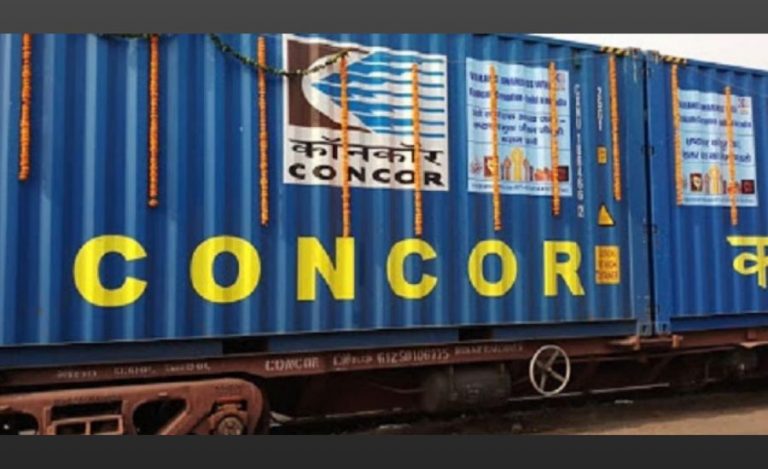
Bhavnagar, a coastal city, is emerging as a strategic port and industrial hub. Investments in port expansion, logistics, and green energy are strengthening its role in Gujarat’s maritime economy. Upcoming container terminals and cargo facilities are set to make Bhavnagar a key node for regional trade.
A Distributed Growth Model
Gujarat’s development strategy reflects a shift from single-city growth to a distributed model. By spreading infrastructure and industrial investment across multiple centres, the state is fostering balanced regional development, linking jobs, industry, and real estate across urban and industrial hubs. Analysts note that this approach is making Gujarat’s economic growth more resilient and sustainable, ensuring long-term benefits for both businesses and citizens.