New Delhi: The HAL-Yakovlev pact marks a significant milestone in India’s civil aviation landscape as Hindustan Aeronautics Limited (HAL) takes a strategic step toward aircraft manufacturing and design. Signed during the prestigious Wings India 2026 event, this collaboration with Russia’s Yakovlev aims to bring regional passenger aircraft production to India.
The agreement signals a shift from India being primarily an aircraft buyer to becoming a global player in aerospace manufacturing.
HAL-Yakovlev Pact: Historic Partnering at Wings India 2026
At Wings India 2026, India’s largest civil aviation expo, HAL signed a preliminary agreement with Yakovlev, a renowned Russian aerospace manufacturer. The event showcased India’s rapidly expanding aviation market and attracted global aerospace firms looking to participate in this growth story.
According to Yakovlev’s Deputy General Director Alexander Dolotovsky, the pact is in its early stages, with specific details yet to be disclosed. He described HAL as a “responsible and reliable partner” and expressed optimism about future collaboration opportunities.
What is the Significance of HAL-Yakovlev Pact
This pact represents a major strategic move for India’s aerospace ambitions. For decades, India has imported most of its passenger aircraft, relying heavily on foreign manufacturers. The HAL-Yakovlev pact could change this dynamic by enabling local production of passenger jets for the first time in Indian aviation history.
The production focus is expected to be on the Yakovlev SJ-100 regional jet — previously known internationally as the Sukhoi Superjet 100 — a twin-engine narrow-body aircraft designed for short-to-medium haul flights.
HAL aims to secure production rights under the agreement, enabling these aircraft to be built domestically for India’s booming travel market.
Enhancing India’s Civil Aviation Ecosystem
India’s aviation sector is currently one of the fastest-growing in the world, driven by rising middle-class incomes and increasing connectivity needs.
The Minister of Civil Aviation, Ram Mohan Naidu, emphasized that India is no longer just a consumer of aircraft — “we are designing, building and leading global aviation.”
Beyond aircraft production, this pact could stimulate growth in related sectors such as MRO (Maintenance, Repair, and Overhaul), airport infrastructure, and aerospace engineering services.
States like Telangana have already announced plans to become major aero engine and MRO hubs by 2047, reinforcing local industrial capacity.
What is the Impact of HAL-Yakovlev Pact
From an economic perspective, local aircraft production has the potential to create thousands of jobs in manufacturing, certification, engineering, and after-sales services. It could also contribute to India’s “Make in India” initiative by reducing import dependency and fostering a domestic supply chain.
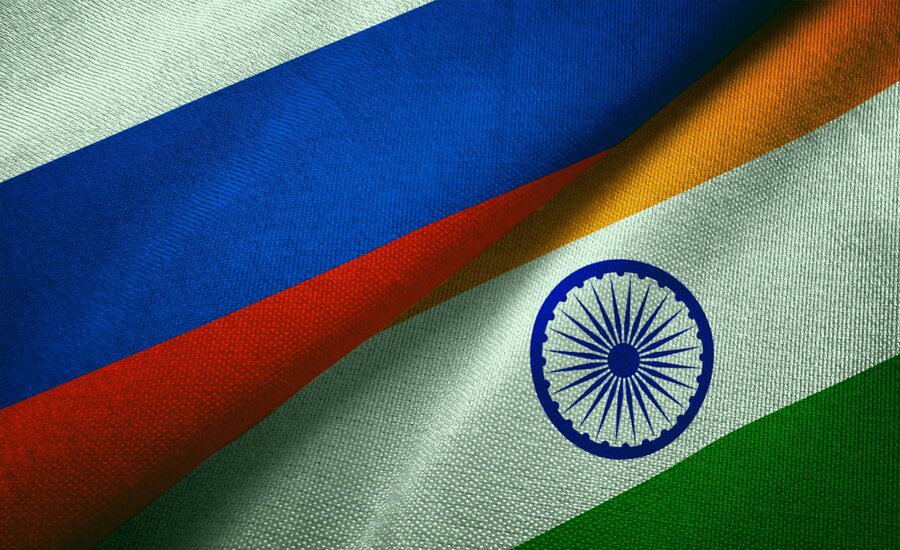
Strategically, the pact reinforces the long-standing aerospace cooperation between India and Russia, a partnership that has spanned defence and civil segments for decades. This collaboration could pave the way for future co-development and export opportunities in global markets.