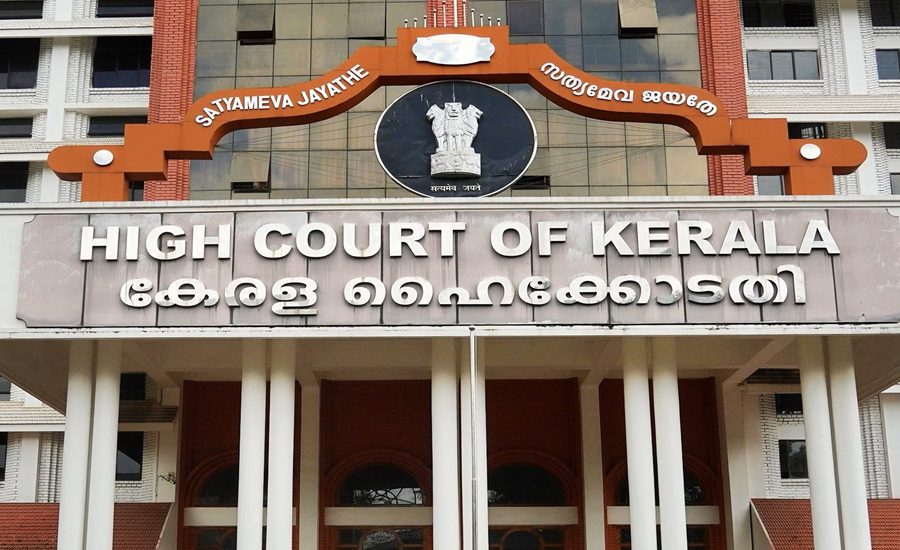
Kerala: The Kerala High Court has sharply criticised the Bar Council of India (BCI) for imposing a ₹1.25 lakh nomination fee for State Bar Council elections, calling it arbitrary and warning that the move “invites a probe.”
This controversial fee hike, which represents a 2400% increase from the earlier ₹5,000 amount, has triggered legal challenges and raised concerns about fairness in the electoral process for lawyers’ representative bodies.
Background of Kerala Bar Council Election Controversy
The petition challenging the steep fee was heard on January 23, 2026, by a Division Bench of the Kerala High Court led by Justice Bechu Kurian Thomas.
The petition contends that the BCI’s decision to raise the nomination deposit from ₹5,000 to ₹1.25 lakh is excessive and defeats the democratic purpose of the elections.
The BCI’s rationale for the increase, as provided in court, was that the funds would support various BCI activities including staff salaries, enrolment procedures, and certification work. However, the court expressed strong skepticism about the justification.
High Court’s Strong Reaction: “Inviting a Probe”
During the hearing, the court did not hold back. It questioned whether such a high fee was necessary, asking pointedly whether the money was being used for activities such as travel expenses or expensive meeting arrangements. The Bench observed that the fee structure could invite a probe into BCI’s use of funds.
This reaction reflects concern that a very high nomination fee could act as a barrier to entry for many advocates, particularly those from modest financial backgrounds. Lawyers argue this undermines the democratic nature of Bar Council elections.
Kerala Bar Council Election Controversy: Status Quo Order and Rules Governing Fees
Earlier, the High Court had directed the BCI to maintain the status quo on the nomination fee, which it later clarified applies only to the fee itself and not to an outright halt to the election process. Petitioners pointed out that the Bar Council of Kerala Rules, 1979, which predate the BCI order and were approved by it, still prescribe a ₹5,000 nomination fee.
The High Court observed that the BCI might not have the authority to override these established state rules without proper legal backing. Further hearings are scheduled for February 9, 2026.
Supreme Court’s Influence and Parallel Legal Actions
The case gains added context from a Supreme Court order noted in the hearing, which directed the BCI to take steps for ensuring adequate representation of specially-abled lawyers, including a fee reduction for such candidates. The Supreme Court reportedly reduced the fee to ₹15,000 for specially-abled advocates, though this applied to future elections and not necessarily pending matters in Kerala.
Separately, lawyers had previously moved the Supreme Court in October 2025 to challenge the BCI’s fee hike as arbitrary and discriminatory. They argued it violates constitutional guarantees and could centralise electoral power in the hands of financially strong candidates.