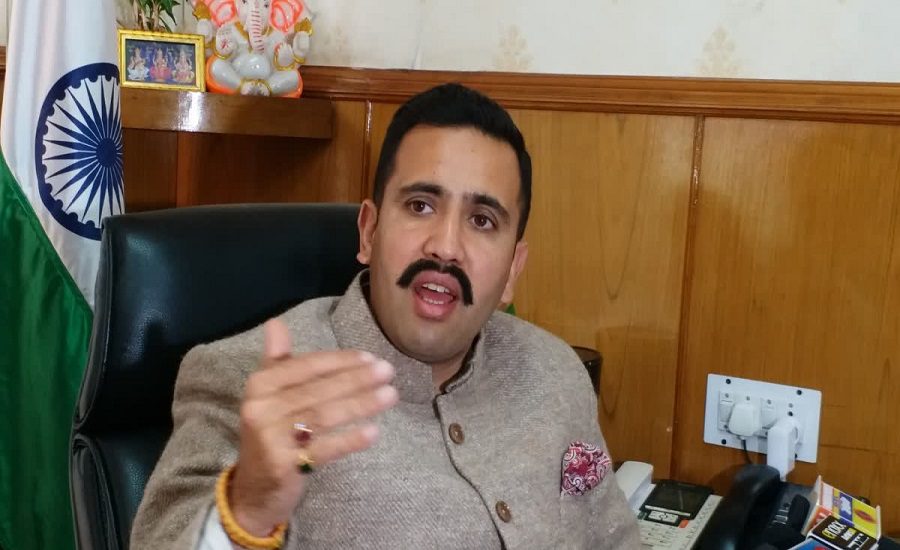
Shimla/New Delhi: The simmering dispute between Himachal Pradesh Public Works Department (PWD) Minister Vikramaditya Singh and the state bureaucracy has escalated to the national level, with a formal complaint submitted to the Union Home Ministry (MHA).
The controversy centers on the Himachal IPS Association’s decision to refuse cooperation with the minister, which critics have termed an “administrative rebellion” against constitutional governance.
Complaint Reaches Union Home Ministry
Captain Atul Sharma, a resident of Shimla, has filed a complaint with the MHA, demanding action against the resolution passed by the Himachal IPS Association on January 14. In his letter, Sharma described the move as a blatant challenge to the authority of the constitutionally elected government and a violation of service conduct rules.
Sharma expressed concern over the association’s decision to refuse working with Minister Vikramaditya Singh, terming it a “complete interference in the prerogatives of the executive.” He warned that such collective decisions by the bureaucratic machinery could set a dangerous precedent for governance in the state.
Retired DIG Criticizes IPS and IAS Associations
The controversy drew sharp criticism from former DIG Vinod Dhawan, a retired IPS officer from Himachal Pradesh. Dhawan condemned the statements issued by the Himachal IAS and IPS associations, calling them “inappropriate, unconstitutional, and contrary to democratic values.”
Dhawan emphasized, “One may disagree with a statement made by a minister, but the Constitution grants everyone freedom of expression. In such a situation, this kind of collective response is not right.” He added that the statements violated the dignity of service and contradicted constitutional norms.
Concerns Over Constitutional and Legal Boundaries
The retired officer questioned whether IPS officers or their association have the right to publicly issue warnings or threaten withholding law and order services to any political figure or citizen. He argued that the police’s fundamental role is to safeguard citizens’ rights, not to intimidate them or signal a potential boycott of services.
Dhawan warned that such rhetoric by a constitutional body recalls a British-era policing mentality, which prioritized authority over citizens’ rights. He stressed that the IPS is meant to act as a “protector of the spirit of the Constitution and the rights of citizens,” not as a tool to influence political debates or punish elected representatives.
Police Officers Are Not “Sacred Cows”
The retired officer further clarified that police officers are not above accountability. “If some officers are corrupt or biased and questions are raised about them, the entire system does not have the right to collectively feel offended and transgress the limits of the Constitution,” he said.
Dhawan urged that any ministerial statement deemed objectionable should be addressed through constitutional, legal, and dignified channels, rather than using language that implies the police might abdicate their constitutional duties.
Warning of a Potential Constitutional Crisis
The former DIG described the IPS Association’s actions as a dangerous precedent. “If the very institutions responsible for providing security begin signaling that they might withdraw legal protection from citizens, it poses a serious threat to the constitutional order,” he warned.
He concluded his statement on social media, urging officers of premier services like the IPS to introspect before taking collective action: “Are they protecting the organization or harming the Constitution and democracy?”
The controversy continues to raise serious questions about the limits of bureaucratic dissent and the responsibility of constitutional services in maintaining law, order, and democratic principles.