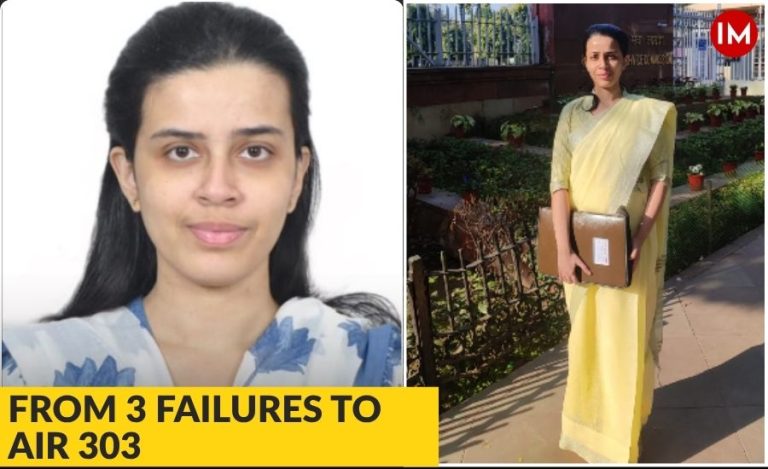
Bhopal: IAS Sanskriti Jain, the Commissioner of the Bhopal Municipal Corporation, recently made headlines after taking unprecedented action against 75 assistant and sub-engineers accused of negligence in providing essential work information.
In a bold move that blended discipline with systemic reform, she reassigned them as assistants to Booth Level Officers under the ongoing SIR (Special Intensive Revision) digitization initiative. These officers are now deployed at underperforming polling booths to support electoral data improvement. The order went viral on social media, earning praise for its creativity and for highlighting the accountability necessary in public service. Administrative circles across Madhya Pradesh have dubbed it a unique, practical and reform-oriented disciplinary approach.
A Bureaucrat with Strong Academic Foundations and National Exposure
Born on 14 February 1989 in Srinagar, Ms. Jain grew up across multiple states due to her parents’ postings in the Indian Air Force. Her father served as a fighter pilot, while her mother worked in the medical division of the force. After studying in six different schools, she graduated from BITS Pilani (Goa campus) and later earned the prestigious LAMP Fellowship. Her path to the civil services showcases determination and academic brilliance. She cleared UPSC on her first attempt, secured IRS in her second, and finally achieved an All-India Rank of 11 in her third attempt to join the IAS in the 2015 batch.
Professional Journey Marked by Governance and Grassroots Impact
In her career across the Madhya Pradesh cadre, Ms. Jain has served in multiple significant roles including Commissioner of Rewa Municipal Corporation, Additional Collector of Satna, SDM of Mauganj, and CEO of District Panchayats in Alirajpur and Narmadapuram. Her administrative approach blends efficiency, accessibility and developmental focus. As the Collector of Seoni, she launched impactful public-centric initiatives and built a strong rapport with citizens. Her 15-month tenure became widely appreciated, culminating in a viral farewell where she and her daughters were carried in a golden palanquin as locals showered affection. The video trended nationwide, reflecting the emotional connection she had cultivated at the district level.
A Viral Farewell that Showcased Public Trust
The farewell, accompanied by drums, petals and the popular song “Palki me hoke sawaar chali,” became one of the most shared IAS-related moments of 2025 on social platforms. Hashtags like #IASJainFarewell trended for days. Her move to Bhopal as Municipal Commissioner came shortly after the state transferred 24 IAS officers. She also took charge as Additional Managing Director in the Madhya Pradesh Metro Rail Corporation Limited, expanding her role in urban development and infrastructure management.
Balancing Bureaucracy, Family and Influence on Social Media
Ms. Jain’s personal life is equally inspirational. During her training, she met Mr. Ashutosh Singh, a 2014-batch IPS officer. Their friendship blossomed into marriage, and today they are parents to two children. On Instagram, she describes herself as “Part time IAS, Part time Mom,” and her posts showcasing the balance between motherhood and administration inspire thousands of young women. While she is currently on an official trip to South Korea, her recent order in Bhopal continues to dominate conversations on governance innovation.
An Administrator Redefining Discipline and Development
Across her postings, Ms. Jain has demonstrated a rare combination of firmness, administrative creativity and empathetic leadership. Whether disciplining officers through reform-based responsibilities or prioritising grassroots empowerment, she represents a new generation of civil servants committed to modern, citizen-centric governance. Her journey from a defence family upbringing to a leading administrative role in Madhya Pradesh exemplifies integrity, resilience and forward-thinking public service.
Also Read: Pressure Mounts on IAS Officer Santosh Verma Amid Promotion Controversy in Madhya Pradesh