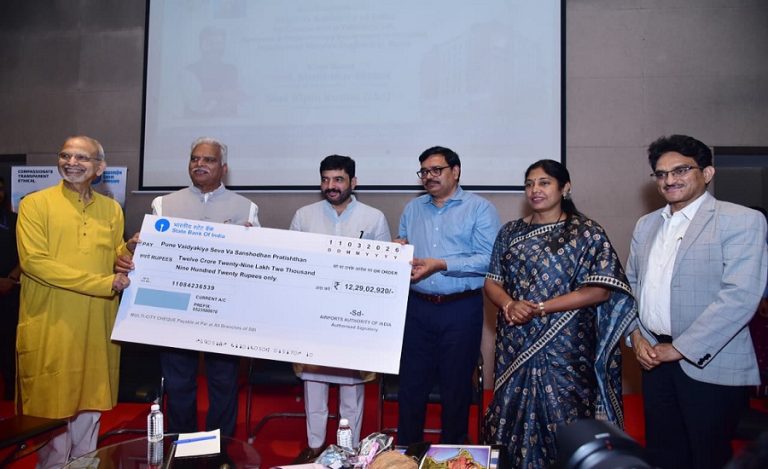
New Delhi: India is taking a big step toward human space missions with the ICMR-NIN ISRO space food project. The Indian Council of Medical Research (ICMR), National Institute of Nutrition (NIN), and Indian Space Research Organisation (ISRO) have come together to develop safe, nutritious, and long-lasting food for astronauts.
This ICMR-NIN ISRO space food project will support upcoming missions like Gaganyaan and future space exploration. The goal is to ensure astronauts get balanced nutrition in extreme space conditions while maintaining food safety and quality.
Why Space Food Research Is Important
Space missions are very different from life on Earth.
Read also: India’s Own Space Station Is Coming: Inside ISRO’s ₹1,763 Crore Orbital Independence Mission
Astronauts face:
- Zero gravity
- Limited storage space
- No fresh cooking options
- Long mission durations
So, food must be:
- Lightweight
- Nutritionally balanced
- Easy to eat
- Long-lasting without spoilage
That is why India is focusing on advanced space food research.
ICMR-NIN ISRO Space Food Project: Role of ICMR-NIN in the Project
The National Institute of Nutrition (NIN), under ICMR, is responsible for designing the nutrition plan.
Their work includes:
- Creating balanced diet charts
- Ensuring proper intake of proteins, vitamins, and minerals
- Studying how space affects human metabolism
NIN has strong expertise in food science and human nutrition, making it ideal for this mission.
ISRO’s Contribution to Space Food Development
ISRO will handle the technical and space-related aspects of food.
This includes:
- Food packaging for space conditions
- Ensuring long shelf life
- Testing food in simulated space environments
ISRO is already preparing for Gaganyaan, India’s first human spaceflight mission, where such food systems will be critical.
What are the Features of the ICMR-NIN ISRO Space Food Project
The new food system will focus on:
1. High Nutrition Value
Astronauts need energy-rich food to stay fit during missions.
2. Long Shelf Life
Food must last for months without refrigeration.
3. Easy Consumption
Food should be easy to eat in zero gravity without spilling.
4. Safety Standards
Strict hygiene and safety checks will be followed to avoid contamination.
Aligned With India’s Space Ambitions
India is preparing for:
- Gaganyaan human spaceflight mission
- Future long-duration space missions
- Possible space station plans
This collaboration supports India’s long-term goal of becoming a major space power.
According to official statements from ISRO and ICMR, developing indigenous space food is a key step toward self-reliance in space missions.
Boost to ‘Aatmanirbhar Bharat’ in Space Sector
This project also supports the government’s self-reliance mission.
Benefits include:
- Reduced dependence on foreign space food systems
- Growth of Indian food technology sector
- Opportunities for research and innovation
It also opens doors for private companies and startups in space nutrition.
What This Means for the Future
The ICMR-NIN ISRO space food project will:
- Improve astronaut health and performance
- Strengthen India’s human spaceflight readiness
- Help India compete with global space powers
It is a major step toward sustainable and safe space travel.
Read also: What Is Zero Gravity Training? How ISRO Is Preparing Gaganyaan Crew for Space Reality