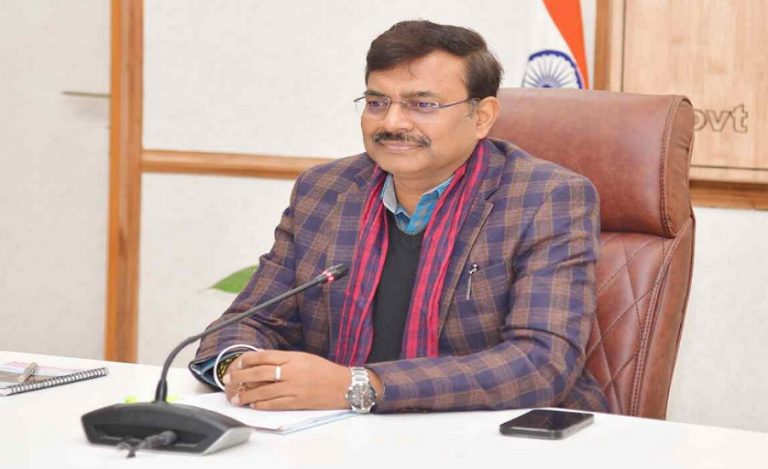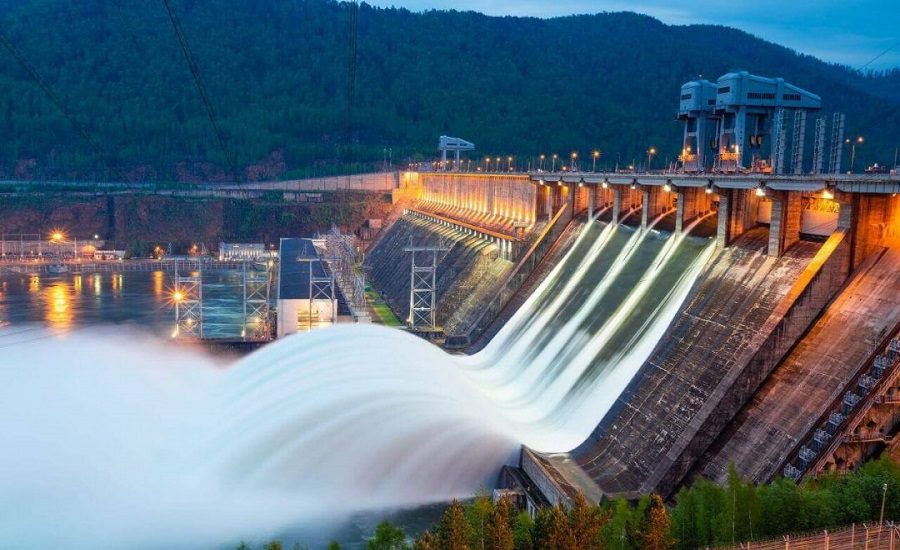
New Delhi: India has unveiled a formal roadmap to develop 100 GW of hydro pumped storage projects (PSPs) by 2035–36, positioning long-duration storage as a cornerstone of the country’s electricity system amid rapid growth in solar and wind capacity. The plan was released by the Central Electricity Authority (CEA) during a two-day Chintan Shivir organized by the Ministry of Power at Parwanoo, Himachal Pradesh. Power Minister Manohar Lal Khattar officially released the report.
Long-Duration Storage Key to Grid Stability
The CEA emphasized that the expansion of variable renewable energy sources such as solar and wind is fundamentally altering India’s power system, creating a critical need for flexibility, inertia, balancing power, and long-duration storage.
Pumped storage projects are designed to support:
- Frequency regulation
- Voltage control
- Spinning reserve
- Black-start capability
These projects act as a safety net against sudden fluctuations in renewable output, preventing blackouts and ensuring reliable grid operation.
Storage Demand Expected to Surge After 2030
According to the roadmap, India’s energy storage requirements are projected to rise sharply with renewable integration:
- 62 GW by 2029–30
- 161 GW by 2034–35
- 476 GW by 2046–47
The CEA report notes that battery energy storage systems (BESS) are suitable for short-duration needs, but pumped storage projects are essential for long-duration storage beyond 2030, particularly as renewable penetration rises.
Off-Stream Closed-Loop PSPs Prioritized
The roadmap highlights off-stream closed-loop pumped storage projects, which do not rely on rivers and use artificial reservoirs, as the preferred model for faster rollout. Benefits include:
- Minimal environmental impact
- Faster clearances
- Lower land acquisition challenges
- Gestation period of 3.5–4 years
This approach allows projects to be executed efficiently while minimizing ecological disruption.
Current Capacity vs Future Pipeline
India currently has 10 operational PSPs totaling 7 GW, with another 10 projects (11.6 GW) under construction.
- 9.6 GW of projects have DPRs approved but are yet to start
- 54 projects (~75 GW) are under survey and investigation
The total assessed pumped storage potential in India has risen to 267 GW, driven by new off-stream project identification.
Maharashtra, Andhra Pradesh Lead Development
State-wise, western and southern regions dominate the PSP pipeline:
- Maharashtra: 56 GW potential
- Andhra Pradesh: 32.7 GW
- Gujarat, Karnataka, Tamil Nadu: significant projects underway
The report also notes growing private sector involvement in pumped storage, reflecting increasing investor confidence in long-duration storage as renewable energy penetration rises.
Pumped Storage as an Atmanirbhar Alternative to Batteries
The CEA highlighted several advantages of PSPs over batteries:
- Long service life (~100 years)
- Domestic manufacturing of turbines and electro-mechanical equipment
- No disposal challenges associated with batteries
“PSPs are clean, domestically available, and proven at large MW-scale,” the report stated, linking their growth to India’s Atmanirbhar Bharat initiative and reduced import dependence.
Transmission and Policy Measures to Support Growth
The roadmap incorporates:
- Transmission planning for evacuation of power
- Tariff-based competitive bidding for storage procurement
- Waiver of interstate transmission charges
- Streamlined project approvals
The CEA stated the roadmap will serve as a reference for utilities, developers, equipment manufacturers, and policymakers, providing a structured framework to achieve 100 GW of pumped storage capacity by 2035–36, and ensuring a clean, secure, and resilient electricity grid.