New Delhi: The Electronics Component Manufacturing Scheme (ECMS) has received a major push as the Government of India approved 29 new proposals worth ₹7,104 crore.
According to the official reports, this move aims to strengthen domestic electronics production, reduce import dependence, and create jobs.
The approvals are expected to generate over 14,246 direct employment opportunities while enhancing India’s position in the global electronics supply chain.
What is the ECMS Scheme
The Electronics Component Manufacturing Scheme (ECMS) is a government initiative launched to promote domestic manufacturing of electronic components and sub-assemblies.
- It was introduced in 2025 with a focus on reducing imports
- It aims to build a self-reliant electronics ecosystem
- The scheme supports investment, production, and job creation
Read also: India Achieves 99% Domestic Manufacturing of Mobile Handsets
The government has also increased its budget outlay to ₹40,000 crore, showing strong long-term commitment.
Key Highlights of the 29 ECMS Projects
- 29 new projects approved
- Total investment: ₹7,104 crore
- Expected production: ₹84,153 crore
- Jobs to be created: 14,246 direct employment opportunities
These approvals are part of the fourth tranche of ECMS and will further expand India’s electronics manufacturing capacity.
29 ECMS Projects: What Will Be Manufactured?
The approved projects cover a wide range of electronic components across sectors:
1. Sub-Assemblies
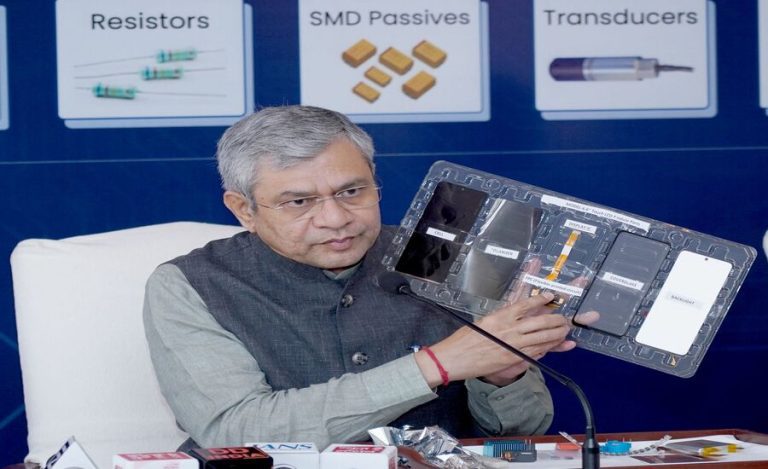
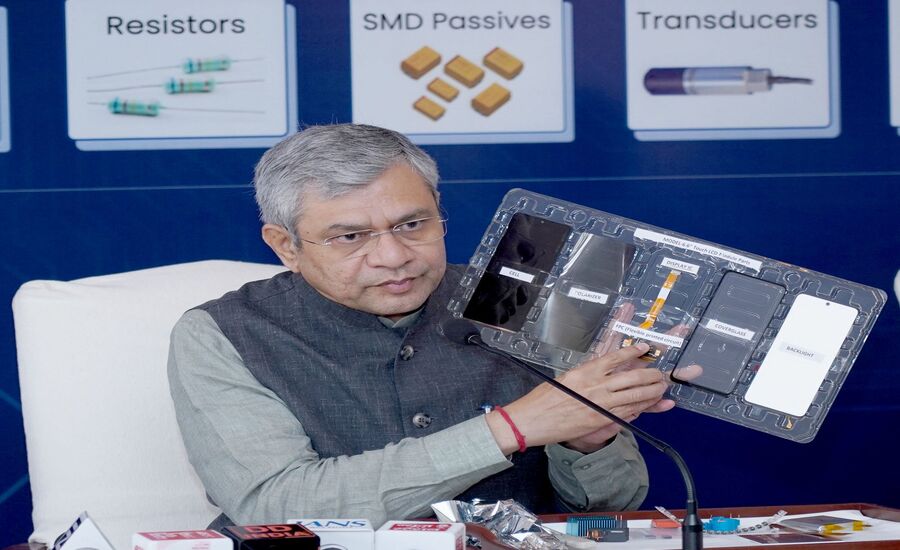
- Display Modules
2. Bare Components
- Capacitors
- Resistors
- Connectors
- Heat sinks
- Li-ion cells
- Relays
- Transducers
- Flexible PCBs
3. Supply Chain Items
- Laminates
- Metallised films
- Rare earth permanent magnets
4. Capital Goods
- Equipment used in manufacturing
These products are used in mobile phones, telecom, consumer electronics, automotive, and IT hardware, making the scheme highly impactful.
Major Firsts Under ECMS
The latest approvals include key milestones for India:
- First SMD passive plant for tantalum capacitors
- First flexible PCB plant
- First rare earth permanent magnet facility
These developments will reduce dependence on imports and boost domestic capability in high-value components.
Government’s Focus Areas
Union Minister Ashwini Vaishnaw highlighted four major priorities:
1. Strong Design Capabilities
India must build its own in-house design ecosystem.
2. Robust Domestic Supply Chain
Focus on local sourcing and manufacturing strength.
3. High Quality Standards
Implementation of Six Sigma quality systems.
4. Industry Collaboration
Better cooperation between companies, universities, and institutions.
This shift shows India is moving from assembly to innovation-driven manufacturing.
Why This Matters for India
The ECMS scheme is crucial for India’s economic growth:
- Reduces import dependence on electronics
- Strengthens Make in India initiative
- Creates large-scale employment
- Improves global competitiveness
India’s electronics sector has already grown rapidly and aims to reach $500 billion production by the end of the decade.
Bigger Picture: India’s Electronics Push
- Electronics is one of India’s fastest-growing sectors
- Government is promoting semiconductors and components manufacturing
- ECMS is part of a broader plan to build a complete electronics ecosystem
The scheme is expected to attract massive investments and integrate India into global value chains.