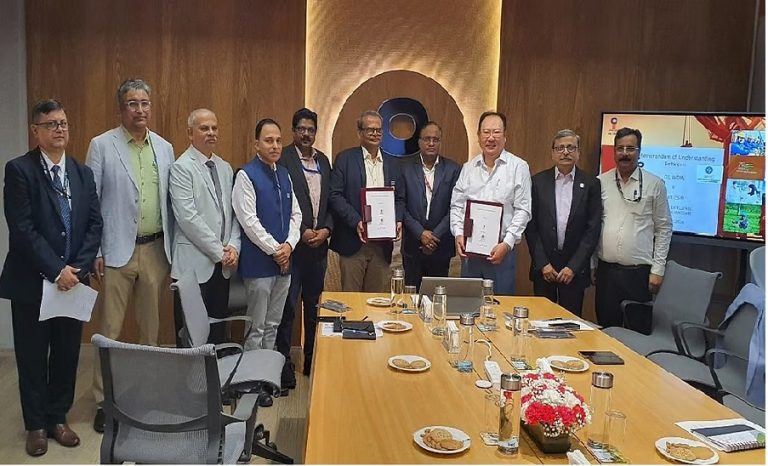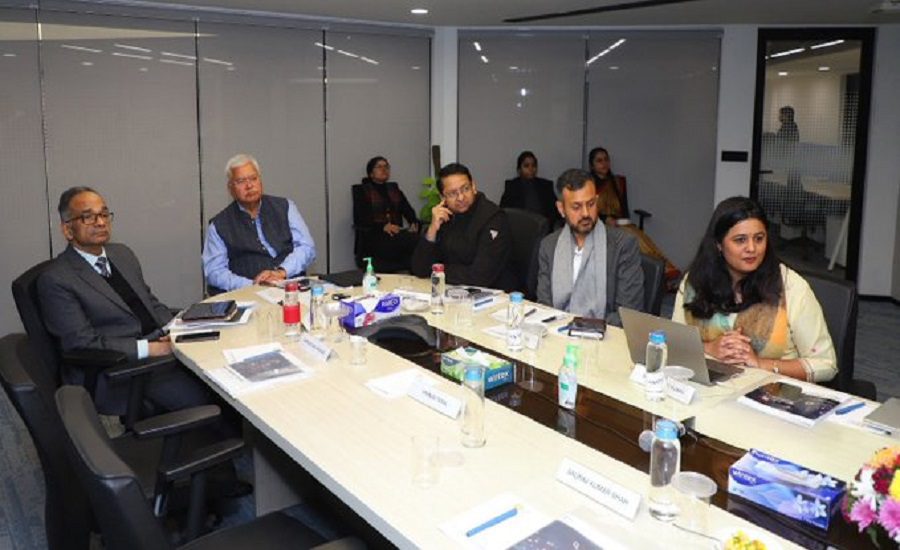
New Delhi: The second meeting of the India Energy Stack (IES) Taskforce was held today, bringing together Taskforce members, officials from the Ministry of Power, regulators, industry leaders, and academics to review the Version 0.2 drafts of the IES Strategy and Architecture documents.
Focus of the Meeting
The meeting centered on reviewing and refining Version 0.2 of the IES documents, which build on guidance from the inaugural Taskforce meeting. The IES is envisioned as India’s Digital Public Infrastructure (DPI) for the power sector, emphasizing:
- Modularity and interoperability
- Standards-led design
- Real-world implementability
Version 0.2 strengthens execution by proposing development through complete “use case packages”, a structured rubric for prioritizing early use cases, mapping of existing national digital platforms, and a strengthened data governance framework, including the rationale for a National Power Sector Data Policy.
Read also: RVNL Wins TAI Excellence Award 2025 for Rishikesh–Karnaprayag Rail Line Tunneling Project
Key Participants
The meeting was chaired by Dr. Ram Sewak Sharma (Former Director General, UIDAI; Former CEO, National Health Authority; Former Chairman, TRAI). Other prominent participants included:
- Sh. Pradeep Kumar Pujari – Vice Chair, Distinguished Fellow, FSR Global; Former Chairman, CERC
- Sh. Pramod Verma – Co-founder, FIDE; Former Chief Architect, Aadhaar
- Mr. Alok Kumar – DG, AIDA
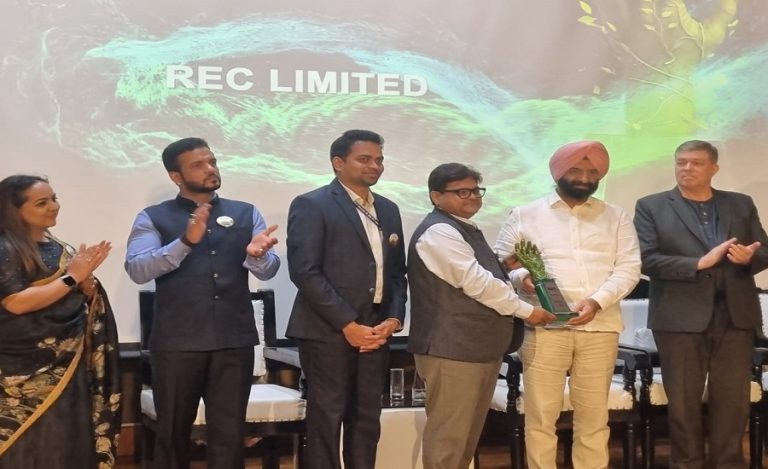
- Mr. Jitendra Srivastava – CMD, REC Limited
- Mr. Abhishek Ranjan – CEO, BRPL
- Mr. Vikram Gandotra – President-Elect, IEEMA
- Mr. Vikram Dhaka – Representative, MNRE
- Dr. Rahul Tongia – Senior Fellow, CSEP
- Mr. Reji Pillai – President, ISGF
- Mr. Pranav Tayal – Director, Ministry of Power
Several dignitaries also participated via video conference.
Key Takeaways from Version 0.2
Strategy Document: Introduces use case packages for practical execution, prioritizes early initiatives, maps national digital platforms, and reinforces data governance and security frameworks.
Architecture Document: Emphasizes trust and security through digital identity, verifiable credentials, secure APIs, auditability, and policy-as-code. Support mechanisms include sandboxes, reference implementations, and conformance pathways to accelerate adoption.
Pilot Implementation: DISCOMs have been asked to adopt inter-state peer-to-peer (P2P) power trading using the defined APIs and specifications as part of the accelerator program.
Stakeholder Statements
Mr. Jitendra Srivastava, CMD of REC Limited, said:
“The India Energy Stack represents a transformational step towards building a unified, trusted, and future-ready digital foundation for India’s power sector. Version 0.2 reflects the Taskforce’s collective wisdom and a strong shift from concept to execution. As the Nodal Agency, REC is committed to working closely with the Ministry of Power and all stakeholders to translate this vision into implementable standards and scalable solutions that deliver tangible value on the ground.”
Project Timeline
The India Energy Stack (IES) project is scheduled for completion by July 2026, with ongoing efforts to ensure stakeholder engagement, robust standards, and scalable implementation.