New Delhi: At this year’s 77th Republic Day Parade on January 26, 2026, India will unveil a major milestone in its indigenous defence capabilities — the Long Range Anti-Ship Missile (LRAShM), a hypersonic boost-glide weapon designed to transform the nation’s maritime strike posture.
This high-profile showcase underscores India’s growing strategic emphasis on advanced missile technologies, naval deterrence, and self-reliant defence innovation amid evolving security challenges in the Indian Ocean Region (IOR) and the broader Indo-Pacific theatre.
What is Long Range Anti-Ship Missile
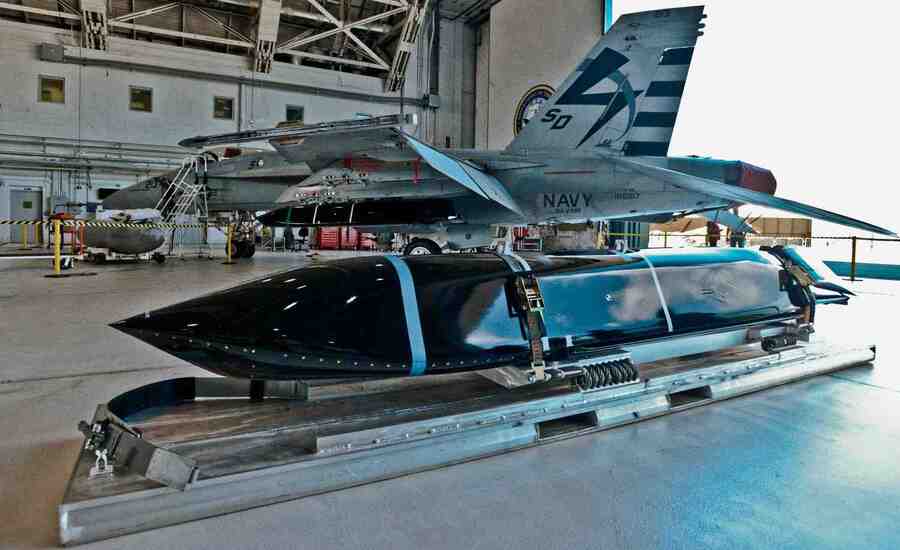
The LRAShM, developed by the Defence Research and Development Organisation (DRDO) at the Dr APJ Abdul Kalam Missile Complex, represents a leap in India’s maritime strike arsenal.
The hypersonic missile is engineered to strike maritime targets — including aircraft carriers, destroyers, and other high-value naval assets — at distances far beyond conventional engagement ranges.
What are the Features of Long Range Anti-Ship Missile
Speed: Capable of traveling at Mach 10 — ten times the speed of sound — the LRAShM dramatically reduces reaction time for adversaries and complicates interception efforts by existing defence systems.
Range: With an estimated range of up to 1,500 km, it enables power projection deep into contested seas and strengthens India’s ability to enforce maritime deterrence.
Guidance: Advanced navigation systems incorporating X-band synthetic-aperture radar and monopulse homing seekers ensure precision against fast-moving targets.
Such capabilities position the LRAShM among the world’s elite class of hypersonic anti-ship weapons, alongside systems being developed by the United States, Russia, and China.
What are the Significance of Long Range Anti-Ship Missile for India’s Defence Posture
Here are the major significance of Long Range Anti-Ship Missile;
Deepening Maritime Deterrence
India’s vast maritime frontier and economic lifelines depend on secure sea-lanes and credible deterrence against potential threats.
The LRAShM’s showcase is not merely ceremonial but highly strategic, signaling India’s entry into an exclusive club of nations armed with hypersonic strike capability tailored for naval warfare.
The missile supports India’s “Sea Denial” doctrine, which prioritizes preventing adversaries from establishing dominance in key maritime zones, especially in the Indian Ocean Region.
Countering Regional Security Challenges
Maritime competition in the Indo-Pacific has intensified in recent years, with major powers expanding their naval reach and A2/AD (anti-access/area denial) networks. Systems like LRAShM amplify India’s ability to deter and respond to such developments, enhancing strategic stability.
Details of LRAShM Program
The LRAShM program exemplifies India’s push toward Atmanirbhar Bharat (self-reliant India) in defence technology. It integrates cutting-edge materials, heat-resistant components capable of withstanding temperatures over 2,000°C, and lightweight advanced structures optimized for sustained hypersonic flight.
Dual Deployment Potential
While the Republic Day display will focus on the missile’s ground-based systems, plans are underway for future naval integration — mounting the weapon on frontline warships with Vertical Launch Systems (VLS) and other platforms to enhance sea-borne offensive capabilities.
Such dual deployment maximizes flexibility, allowing India to forge a layered and resilient maritime defence network.