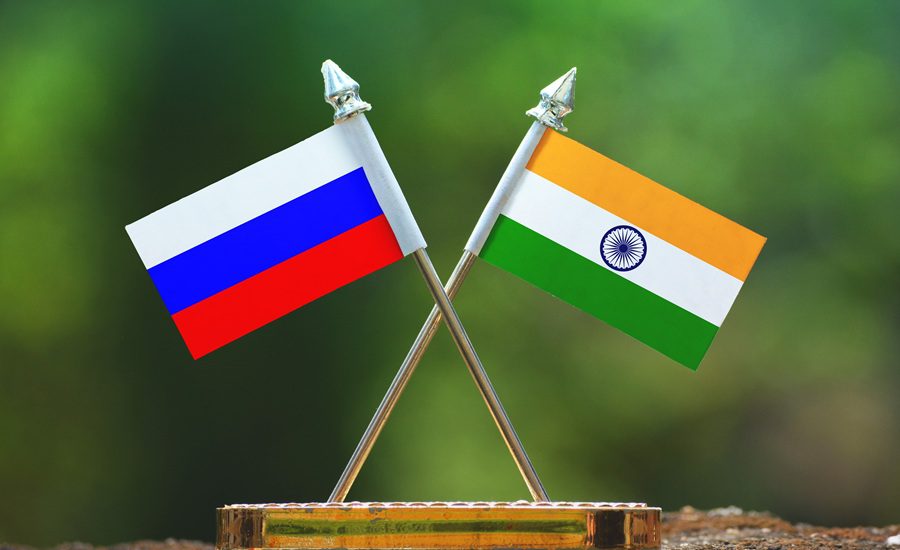
Moscow/ New Delhi: According to the Reuters Source, this year, for the first time since 2022, senior executives from leading Indian defence manufacturers undertook a discreet but consequential visit to Moscow, engaging in rare high-level meetings with Russian counterparts.
The meetings — involving representatives of firms such as Adani Defence and Bharat Forge — weighed the possibility of joint ventures for the co-production of Russian-origin military hardware, including spares for fighter jets and air-defence systems, and potentially even export of Indian-made defence equipment to Russia.
It is a move that signals a potential shift in long-standing defence relations between India and Russia — from buyer-supplier dynamics toward deeper collaboration in manufacturing and technology sharing. But the gambit carries significant strategic trade-offs, particularly with respect to India’s ambitions to align with Western suppliers and avoid the risk of sanctions.
Background of India Russia arms meetings
For decades, Russia has been the single largest arms supplier to India. Russian-origin systems─whether fighter jets, tanks, artillery, or air-defence platforms—constitute roughly 36% of India’s military hardware backbone.
Bilateral defence ties between the two countries have long been institutionalized. Since the signing of the “Declaration on the India-Russia Strategic Partnership” in 2000, and its elevation to a “Special and Privileged Strategic Partnership” in 2010, the relationship has spanned political, security, defence, economic, scientific, and cultural domains.
However, the invasion of Ukraine by Russia in 2022 dramatically altered the global security environment and imposed uncertainty on defence supply chains. Western sanctions on the Russian defence industry added pressure on countries maintaining strong Russia ties.
For India — one of the world’s largest arms importers — this created a strategic dilemma: how to sustain existing capacities while also diversifying and modernizing its procurement sources.
In this context, the India Russia arms meetings in Moscow mark a pivot — not only renewing ties with Russia but recalibrating them toward co-production, localisation, and possibly export.
Significance of India Russia arms meetings in Moscow
According to sources familiar with the discussions, at least half a dozen senior executives from major Indian arms manufacturers — including Adani Defence and Bharat Forge — participated in meetings held on October 29–30 this year in Moscow.
The visit was part of a larger Indian defence-industrial delegation, which reportedly met during a period of heightened diplomatic activity between New Delhi and Moscow, including summit-level engagements.
Among the topics discussed:
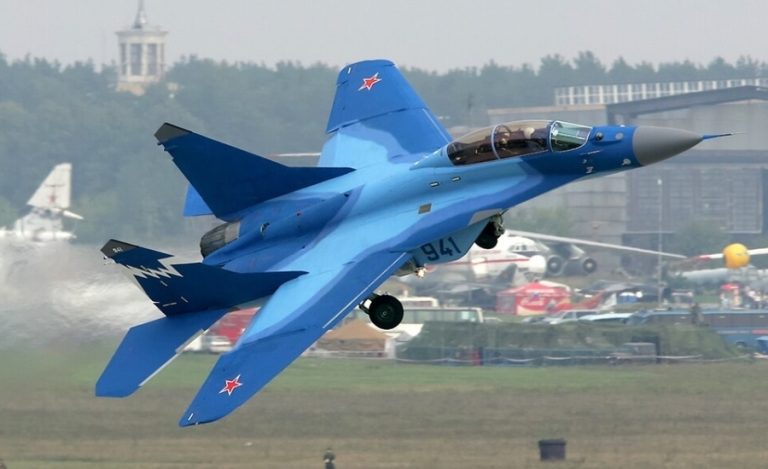
- Co-production of spare parts for Russian-origin systems: This includes components for the Mikoyan MiG-29 fighter jet, air-defence systems, and other Russian weapon platforms used by the Indian armed forces.
- Establishing manufacturing units in India: Under proposals discussed, some Russian firms would set up production facilities in India — enabling Indian firms to produce equipment domestically. The output could serve Indian forces and, potentially, be exported to Russia itself or other global customers.
- Wider representation from Indian defence industry: Apart from Adani Defence and Bharat Forge, the delegation reportedly included firms under larger conglomerates such as Tata Sons, Larsen & Toubro (L&T), and state-owned entities like Bharat Electronics, as well as newer defence-technology startups working on drones and AI.
Notably, this was the first such visit by Indian defence-industry executives to Russia since the 2022 Ukraine invasion — a fact not previously reported.
India Russia arms meetings: Strategic Rationale for India
- India’s push to make itself a global defense manufacturing hub has been led strongly by its political leadership in recent years. The proposal to co-produce spare parts and defence equipment domestically reflects this ambition. By localising production, India could reduce its dependence on overseas supply, shorten supply-chain delays (especially critical for maintenance and upgrades), and build indigenous expertise.
- Moreover, jointly produced or indigenously manufactured equipment might also be exported — potentially giving India a larger footprint in global defence markets. The Russian proposal to set up manufacturing units in India seems to align with exactly this broader strategic objective.
- Given the ongoing war and sanctions on Russia, supply chains for Russian-origin arms have become more fragile. There have been persistent complaints within India’s armed forces about delays in delivery and long lead times for procurement of spare parts for maintenance of legacy Russian equipment.
- By enabling domestic manufacturing under licence or joint ventures, India could offset some of these logistical risks, ensuring readiness and sustainment for its Russian-origin platforms, at a time when global supply disruptions remain a risk.
Key Risks & Challenges Ahead of India Russia Arms Meetings
- One of the major trade-offs stems from India’s ambitions to modernize its military with Western weapons and technologies. Several Western diplomats had previously flagged India’s deep defence ties with Russia — and its heavy inventory of Russian-origin weapons — as a barrier to sensitive technology transfers from the U.S. and its allies.
- Any renewed Russian collaboration might reinforce concerns among Western suppliers about technology leakage, dual-use risks, or complicate the larger strategic calculus of technology sharing with India.
- Given the ongoing war in Ukraine and the sanctions imposed on Russia, Indian firms entering into new joint ventures or defence deals with Russian entities might face the risk of “secondary sanctions.”
- In recent years, Indian firms such as Bharat Forge have already come under scrutiny: in 2024, a subsidiary of Bharat Forge was reported to have exported artillery shells to Europe — some of which were later diverted to Ukraine — drawing diplomatic protest from Moscow.
Thus, while the incentives for joint production are clear, the reputational and regulatory risks in the global arena remain significant.
Sensitive Technology Transfer & Structural Overhaul
Jointly producing sophisticated weapon systems — especially advanced air-defence systems or fighter jet components — requires deep levels of technology transfer, robust quality control, and adherence to security protocols.
The challenges of aligning Russian systems with Indian manufacturing standards, export regulations, and compliance mechanisms can be immense.
Further, enabling export from India to Russia (or third countries) may run into additional legal, diplomatic and regulatory complexities, given sanctions regimes, end-user restrictions, and the risk of diversion.
Broader Implications of India Russia Arms Meetings
Reaffirmation of India-Russia Strategic Partnership: The meetings underscore that even after years of global pressure on Russia, India values and is willing to revive and deepen its defence cooperation — albeit with a focus on domestic production. This may shape the contours of the upcoming summit between Vladimir Putin (President of Russia) and Narendra Modi (Prime Minister of India), slated for December 4–5, 2025.
Potential Boost to Domestic Defence Industry: If joint ventures go ahead, India’s private and public-sector defence firms could significantly scale up their production capabilities, particularly for Russian-origin systems that are already in widespread use in Indian forces. This could reduce dependency on imports and lead to a competitive domestic defence-production ecosystem.
Tension Between East and West: As India hedges toward Russia, it may complicate or slow its pursuit of Western defence technology transfers — affecting long-term ambitions to diversify and modernize its arsenal.
Export Ambitions and Geopolitical Fallout: Production units in India with export potential could make India a player in global defence markets — but also expose it to geopolitical fallout if exported systems reach contested zones or sanctioned countries.