New Delhi: India is on the verge of a major water-resource milestone as the Shahpur Kandi Dam on the Ravi River nears completion, enabling the country to fully utilise its share of the river’s waters under the Indus Waters Treaty. The project’s advancement means surplus Ravi waters — previously flowing downstream into Pakistan — will now be stored and redirected for irrigation and power generation within India’s Punjab and Jammu & Kashmir regions, significantly altering longstanding water distribution patterns between the two countries.
What Is the Shahpur Kandi Dam Project?
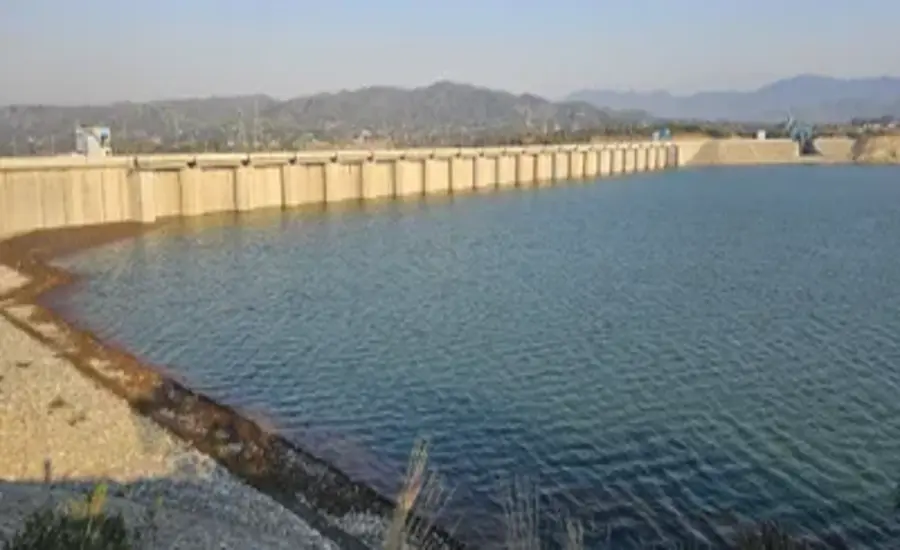
The Shahpur Kandi Dam is being built on the Ravi River in Pathankot district, Punjab. It stands downstream of the Ranjit Sagar Dam and will work in tandem with it to regulate water flow. Despite being authorised under the Indus Waters Treaty of 1960, India lacked the infrastructure to capture and store excess Ravi water, leading much of it to flow into Pakistan.
Read also: Water, War, and Wounds: Sinha’s Riveting Dive into the Indus Treaty
The dam will:
- Store up to 11,500 cusecs of water previously lost downstream.
- Support irrigation for thousands of hectares in Punjab and Jammu & Kashmir.
- Potentially host hydroelectric facilities to bolster clean energy.
Treaty Rights & Water Allocation Under the Indus Waters Treaty
Under the 1960 Indus Waters Treaty, India has exclusive rights over the Eastern rivers — Ravi, Beas, and Sutlej — while Pakistan controls the Western rivers — Indus, Jhelum, and Chenab. India’s rights allow it to use water for irrigation, storage, and hydropower purposes without requiring Pakistan’s consent.
Historically, India couldn’t fully harness Ravi water due to inadequate diversion infrastructure. The Shahpur Kandi project addresses that gap.
Importance of Shahpur Kandi Dam Project Completion
The dam’s completion — expected by March 31, 2026 — marks a critical shift. Officials say the infrastructure will:
- Prevent previously unused water from flowing into Pakistan.
- Improve water security for drought-prone districts such as Kathua and Samba in Jammu & Kashmir.
- Boost irrigation in both states, supporting agriculture and rural livelihoods.
Strategic and Agricultural Impacts
For India, the dam maximises use of treaty-allocated water and strengthens domestic water management. It also enhances renewable energy potential through hydropower options.
For Pakistan, the project may reduce water availability during hot summer months because surplus flows into the country will significantly decline — a development analysts say could stress agricultural and urban water systems.
Read also: Sir Creek Conflict: Why India’s Latest Warning to Pakistan Is a Serious Red Line