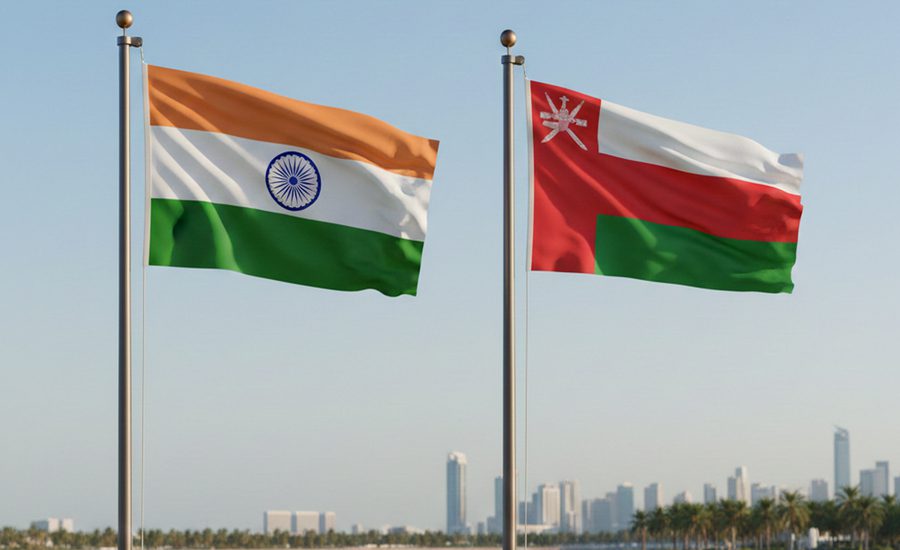
Muscat/New Delhi: India has signed a comprehensive trade and economic partnership agreement with the Sultanate of Oman, marking a strategic move to strengthen bilateral economic ties and offset the impact of steep U.S. import tariffs.
The agreement, inked in Muscat on December 18, 2025, reflects New Delhi’s intensified effort to diversify export markets and accelerate the negotiation of free trade agreement (FTA) with key global partners amid growing global trade uncertainties.
Background of India–Oman Trade Deal
In recent months, India has accelerated negotiations on multiple free trade agreements as part of its broader strategy to broaden export destinations and reduce vulnerability to external trade barriers.
This push comes as the United States imposed steep import tariffs—up to 50% on several Indian goods—which have directly impacted sectors such as textiles, auto components, metals, and labor-intensive manufacturing.
The India–Oman deal is New Delhi’s second major FTA in six months, following a landmark agreement with the United Kingdom in May 2025. Additionally, India is engaged in advanced talks with other significant economies, including the European Union, New Zealand, and Chile, to secure broader market access for Indian exporters.
Key Details of India–Oman Trade Deal
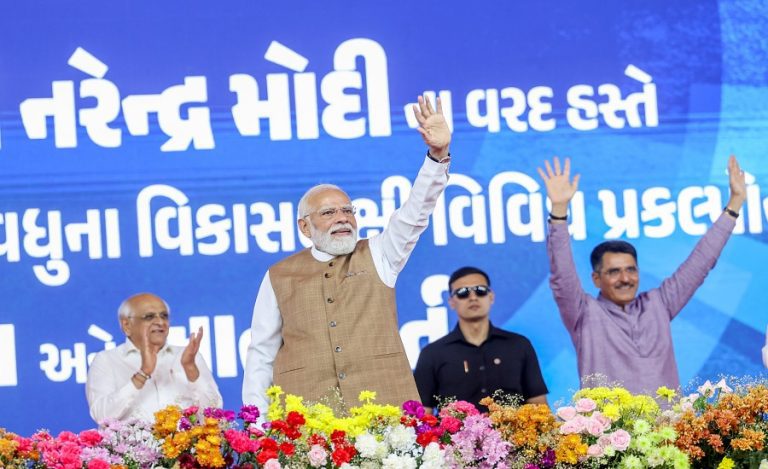
The Comprehensive Economic Partnership Agreement (CEPA) between India and Oman represents a major milestone in bilateral economic cooperation. It was signed in Muscat in the presence of Indian Prime Minister Narendra Modi and Oman’s Sultan Haitham bin Tarik.
Major Provisions of the India–Oman Trade Deal
Zero-Duty Market Access for Indian Goods: Indian products will receive duty-free access on over 98% of Oman’s tariff lines, significantly enhancing India’s export competitiveness in the Gulf market.
Tariff Liberalization for Omani Products: India will liberalize tariffs on approximately 78% of its tariff lines, covering nearly 95% of imports from Oman by value.
Strategic Sectoral Opportunities: The pact opens doors for Indian exporters in sectors such as engineering goods, textiles, leather, pharmaceuticals, gems and jewellery, and agricultural products.
Strategic Exclusions in the India–Oman Trade Deal
To protect sensitive domestic industries, India has excluded items such as dairy products, chocolates, gold, silver, footwear, and sports goods from tariff concessions under the pact. This measure aims to shield local producers and small businesses from sudden competitive pressures.
Why India Chooses Oman for the Trade Deal
Oman holds strategic value as a gateway to the Middle East, with its geographical proximity to critical trade routes such as the Strait of Hormuz—a vital corridor for global oil shipments. Strengthening economic ties with Oman reinforces India’s presence in the Gulf Cooperation Council (GCC) region and deepens economic cooperation beyond oil trade into diversified goods and services.
Bilateral trade between India and Oman currently exceeds $10 billion annually, and the new agreement is expected to significantly enhance this volume, especially in non-oil sectors.
India’s Broader FTA Strategy: Diversification and Export Expansion
India’s accelerated push for free trade agreements is closely linked to its objective of reducing reliance on any single export market—a strategy underscored by the recent tariffs imposed by the United States. By establishing a network of FTAs, India aims to integrate more deeply into global supply chains, improve export competitiveness, and stimulate job creation across key sectors.
Currently, India has 15 FTAs covering 26 countries, along with six preferential trade agreements. It is also negotiating with more than 50 trade partners to broaden market access. Once these negotiations conclude, India expects to have trade agreements with nearly all major global economies, excluding China.
Read also: Trade Boost Ahead: Cabinet Approves India-UK Free Trade Agreement Ahead of PM Modi’s UK Visit