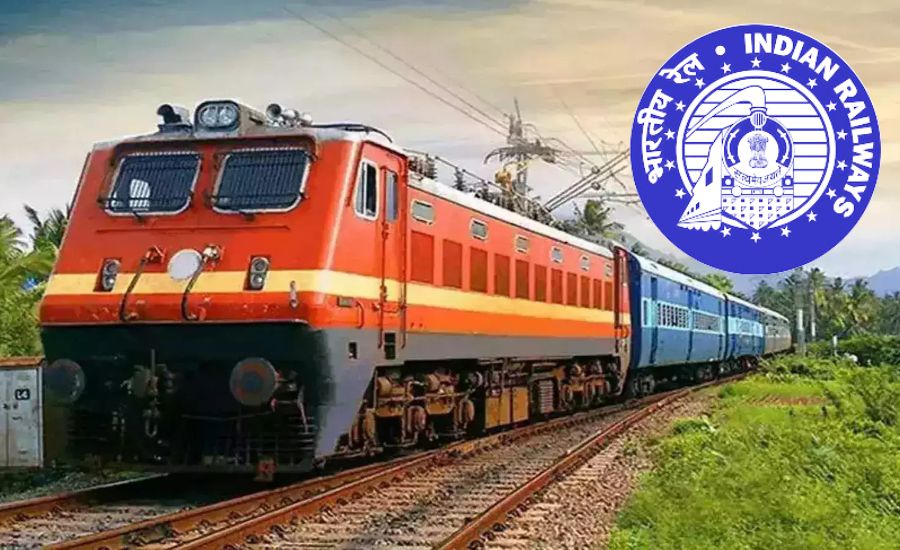
New Delhi: In a major push to modernize and expand India’s rail network, Indian Railways has approved several high-impact infrastructure projects aimed at eliminating congestion, increasing line capacity, enhancing safety, and enabling faster, more reliable passenger and freight operations across the country. The projects span Southern, Northern, and South Eastern Railways, including line doubling, third and fourth lines, bypass corridors, and advanced Electronic Interlocking (EI) systems.
Jharkhand: Enhancing the Energy, Mineral, and Cement Corridor
Barbenda–Damrughutu Doubling & Damrughutu–Bokaro Steel City 3rd & 4th Lines
Estimated Cost: ₹815.32 crore
Current Situation: The line operates at 108% utilisation, with train detention ranging between 90–150 minutes. It handles 78 trains daily (38 passenger and 40 freight) and supports a freight throughput of 35.22 MTPA. Without intervention, utilisation is projected to reach 132% by 2028–29.
Project Significance: This project strengthens connectivity to central coalfields, cement and steel plants, petroleum depots, and the Bokaro Steel City industrial ecosystem. By expanding capacity, it is expected to improve industrial output, energy logistics, and efficiency of the national supply chain.
Northern Railway: Safety Upgrades and Freight Efficiency
Electronic Interlocking on High-Density and Highly Utilized Routes
Estimated Cost: ₹421.41 crore
Scope: Implemented at 34 stations across Northern Railway, including 21 stations in Delhi Division and 13 stations in Ambala Division.
Objective: Enhance safety and operational efficiency, enabling faster train movement, higher frequency on high-density routes, and complementing the Kavach train protection system.
Rajpura Bypass Line (13.46 km)
Estimated Cost: ₹411.96 crore
Purpose: Direct connectivity between New Shambhu DFC station and Kauli station on the Rajpura–Bathinda line.
Impact: Freight trains can bypass the congested Rajpura Yard, reducing congestion, streamlining freight operations, and ensuring smoother integration with the Dedicated Freight Corridor (DFC).
Kerala: Doubling and Bypass Projects to Improve Passenger and Freight Movement
Alappuzha–Ambalapuzha Doubling (12.66 km)
Estimated Cost: ₹324.16 crore
Benefits:
- Nine additional passenger trains daily in each direction
- Additional freight capacity of 2.88 MTPA
- Expected additional annual earnings of ₹3.23 crore
Reduces train detention and decongests major junctions, enhancing efficiency on the Ernakulam–Turavur–Kayankulam route
Palakkad Town–Parli Bypass Line (1.80 km)
Estimated Cost: ₹163.57 crore
Purpose: Eliminates engine reversal at Palakkad Junction, reducing passenger train detention by 40–44 minutes and freight detention by up to 120 minutes per train.
Impact: Streamlines train movement, improves punctuality, and eases congestion at one of Southern Railway’s busiest junctions.
Tamil Nadu: Doubling of Irugur–Podanur Section to Transform Chennai–Coimbatore Corridor
Irugur–Podanur Doubling (10.77 km)
Estimated Cost: ₹277.42 crore
Current Status: Line utilisation at 60%, projected to reach 131% by 2027–28
Benefits:
- Allows 15 additional passenger trains per day
- Increases freight capacity by 3.12 MTPA
- Additional annual earnings expected to rise by ₹11.77 crore
Significance: This project will transform the Chennai–Coimbatore–Podanur corridor into a high-capacity, four-line route, complementing ongoing quadruplication projects. It will also enhance operations at Coimbatore industrial hubs and Podanur terminal, while supporting new train services to northern destinations.
Key Highlights Across All Projects
- Passenger Benefits: Faster, more reliable train services with reduced delays
- Freight Benefits: Improved efficiency, reduced congestion, and enhanced capacity for industrial and mineral transport
- Safety Upgrades: Advanced Electronic Interlocking and integration with modern train protection systems
- Economic Impact: Projects will strengthen industrial and energy corridors, support national supply chains, and boost overall economic growth
- Strategic Importance: Enhances integration with Dedicated Freight Corridors and prepares the rail network for future traffic demands
Conclusion
With these approvals, Indian Railways continues to reinforce its commitment to world-class infrastructure development. The projects aim to provide seamless passenger journeys, efficient freight movement, improved safety standards, and stronger connectivity between industrial and economic hubs across India. Timely cooperation with state governments is expected to accelerate project completion, bringing long-term benefits to passengers, businesses, and the national economy.