New Delhi: Across India’s vast railway network, a quiet but impactful transformation is reshaping passenger spaces into platforms of economic inclusion and cultural visibility. Through the Indian Railways initiative One Station One Product (OSOP), railway stations are increasingly becoming retail spaces for indigenous products, local handicrafts and regional specialties.
Introduced in the Union Budget 2022–23, the OSOP initiative aims to promote locally made products by creating dedicated outlets at railway stations, offering direct market access to artisans, Self-Help Groups (SHGs), weavers, farmers and small producers. The initiative not only supports sustainable livelihoods but also gives travelers an opportunity to experience the diversity of India through authentic regional products.
As of January 19, 2026, more than 2,000 railway stations across the country host around 2,326 OSOP outlets, benefiting over 1.32 lakh individuals.
Launched in 2022, OSOP Expanded Rapidly Across India
The initiative was formally launched on March 25, 2022.
It began with a 15-day pilot project across 19 stations before being scaled up nationwide through a structured implementation model.
Under the scheme, stalls are allotted on a rotational basis at nominal charges, ensuring wider participation among local producers and community groups.
Railway divisions implement the programme in coordination with state government agencies, SHGs and Micro, Small and Medium Enterprises.
This institutional coordination has allowed the initiative to expand steadily while ensuring local inclusion.
Regional Identity Reflected Through Products at Every Station
A defining feature of OSOP is that each station showcases products unique to its local geography and cultural identity.
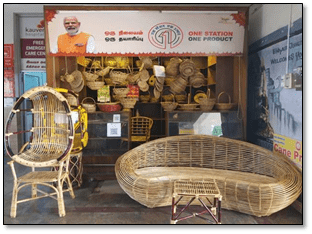
At Tenkasi Junction railway station in Tamil Nadu, delicately crafted cane products represent indigenous craftsmanship and local traditions.
These products draw attention to the region’s artisanal heritage while offering direct income opportunities to local producers.
Madhubani Art Finds Wider Audience at Patna Junction
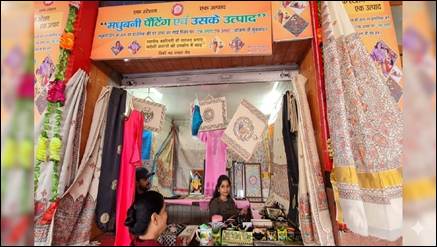
At Patna Junction in Bihar, one of the most recognisable products under OSOP is traditional Madhubani painting.
The globally recognised folk art form is displayed prominently at station stalls, allowing local artists to reach passengers from across India.
The initiative provides a valuable market channel for artisans who often rely on seasonal exhibitions or limited local sales.
Women-Led SHGs and Grassroots Producers at the Centre of OSOP
A major focus of OSOP is inclusion.
The initiative prioritises artisans, weavers, farmers and members of Self-Help Groups, especially women-led groups that often face barriers in accessing formal retail markets.
By connecting such producers directly with railway footfall, the scheme allows grassroots communities to access a much larger customer base.
This approach strengthens livelihood security while preserving traditional skills.
Asansol Station Showcases Bengal’s Handcrafted Identity
At Asansol railway station in West Bengal, an OSOP kiosk at Platform No. 4 features handloom bags, handcrafted artefacts and carpets.
Passengers waiting for trains frequently browse these items, often purchasing locally made products as souvenirs.
The station outlet demonstrates how railway spaces can become practical retail channels without requiring large infrastructure investment.
Textiles and Traditional Fragrance at Chennai’s Moore Market Complex
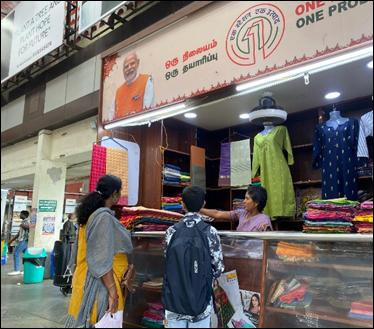
At Moore Market Complex railway station, OSOP stalls highlight cotton handloom products that reflect Tamil Nadu’s long textile tradition.
Travelers can buy authentic handloom goods directly from station outlets, supporting local weaving communities.
Nearby, another stall introduces passengers to traditional attar perfumes, combining sensory heritage with local entrepreneurship.
These products offer a distinctive cultural experience while strengthening artisan livelihoods.
Stuffed Toys Create Livelihoods at Balangir Station
At Balangir railway station in Odisha, a small OSOP stall selling handcrafted stuffed toys has emerged as a livelihood source for local artisans and Self-Help Groups.
The colourful handmade toys are primarily produced by women associated with SHGs.
With a steady passenger flow, the stall ensures visibility and consistent sales, helping artisans build reliable income streams.
The outlet reflects the practical success of the Vocal for Local concept by linking local production to national mobility.
Jaipur’s Sanganeri Prints Reach Travellers at Junction Station
At Jaipur Junction railway station in Rajasthan, OSOP outlets showcase Sanganeri print textiles, one of the region’s most celebrated textile traditions.
Travelers stopping at the station encounter intricately designed fabrics that represent Rajasthan’s visual heritage.
The station-based retail model gives local textile artisans a wider platform beyond traditional craft fairs and tourist markets.
Tatanagar Connects Jharkhand’s Handcrafted Products to National Passengers
At Tatanagar Junction railway station in Jharkhand, OSOP stalls display handcrafted products created by local artisans.
For many artisans, railway station retail has expanded market reach beyond district-level buyers.
Each sale becomes a direct connection between local craftsmanship and a wider public audience.
Railway Stations Becoming Spaces of Culture, Commerce and Community
The growing OSOP network demonstrates how public infrastructure can support inclusive economic growth.
By integrating local products into everyday transit spaces, railway stations are evolving beyond transport hubs.
Passengers do not simply buy products—they engage with local stories, traditions and skills embedded in each item.
For artisans, these stalls offer both recognition and income stability.
A National Platform for India’s Local Talent
As the initiative continues expanding, OSOP is emerging as one of the most visible examples of how national infrastructure can amplify local enterprise.
The model ensures that India’s traditional products travel far beyond their place of origin.
In doing so, it creates a unique intersection of mobility, livelihood and cultural preservation.