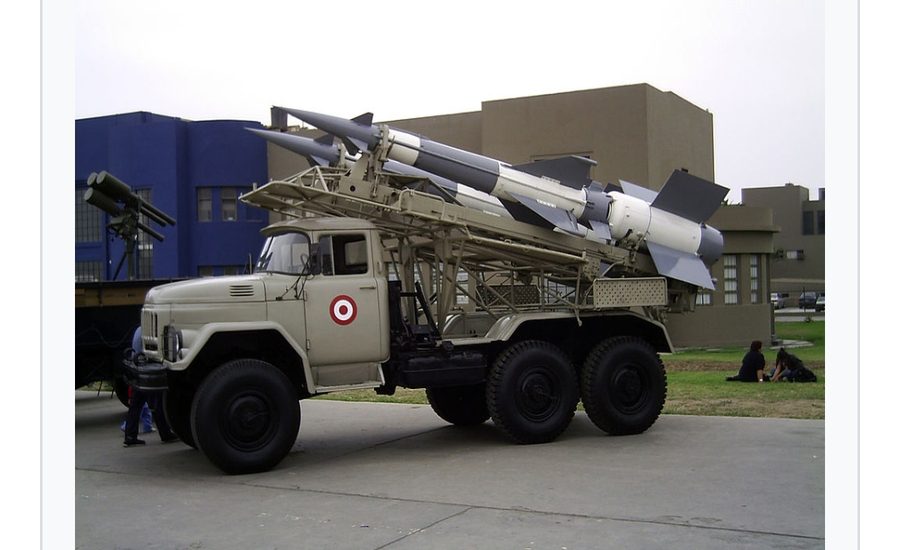
New Delhi: The Indian Air Force (IAF) has taken a major leap in modernising its air defence systems with the indigenous overhaul of the Pechora surface-to-air missile (SAM) system, led by Bengaluru-based Alpha Design Technologies Ltd (ADTL).
The upgraded Pechora is poised to support multi-layered air defence initiatives, strengthening the nation’s capacity to tackle modern aerial threats with homegrown technology.
Background of Pechora SAM Upgrade
The Pechora SAM system has been in service with the IAF since the 1970s, originally designed in the Soviet era. Over decades of reliable performance, the system began facing obsolescence challenges due to outdated components and operational limitations. The need to modernise rather than retire this proven platform became a key defence objective.
Read also: DRDO’s Microwave Weapon Explained: Technology, Range, and Strategic Impact on India’s Defence
Recognising this, the Ministry of Defence (MoD) awarded Alpha Design a contract worth approximately ₹591.3 crore to overhaul and digitise the Pechora systems. This project is part of the government’s broader strategy to modernise ageing military equipment while promoting Atmanirbhar Bharat (self-reliant India) in defence production.
Pechora SAM Upgrade: Key Enhancements and Technological Upgrades
One of the most significant changes in the upgraded Pechora system is full digitisation of its radar and tracking infrastructure. The overhaul replaces outdated valve and transistor-based electronics with advanced digital chips and modern radar transmitters.
This transformation enables better data processing, faster target acquisition, and improved interoperability with other defence networks.
Operator Efficiency and Situational Awareness
The upgraded system now features a redesigned operator station with modern visual displays and health-monitoring tools. These upgrades simplify operations and reduce crew workload while enhancing performance tracking during live missions.
Refurbished Mechanical and Electronic Components
Mechanical parts underwent refurbishment or replacement, extending the system’s operational life. The upgrade retains the best aspects of the original platform while adding modern capabilities, allowing the Pechora to remain a credible defensive asset.
Extensive Field Trials and Validation
To ensure real-world performance, user trials of the upgraded Pechora were conducted at the Pokhran range from November to December 2025. These tests validated the system’s reliability, accuracy, and readiness in field conditions, marking a major milestone in the project’s timeline.
Veteran defence officials, including Wing Commander (Retd) Vishal Anand — ADTL’s programme director — confirmed that the trial outcomes demonstrated solid operational capabilities, putting the enhanced Pechora system on track for full induction.
What is the Importance of Pechora SAM Upgrade
The upgraded Pechora is expected to play a crucial role in Mission Sudarshan Chakra, India’s initiative to build a multi-layered air defence shield. The system is now better equipped to handle a spectrum of aerial threats — from low-altitude drones to fast-moving fighter aircraft.
By integrating this revitalised system into current and future defence frameworks, the IAF ensures continuity of operational capability even as it transitions toward next-generation technologies.
Cost-Effective Modernisation
Modernising existing platforms like Pechora offers significant cost advantages over procuring new systems. This approach generates sizable savings while rapidly enhancing defence readiness — a key consideration in India’s defence planning.