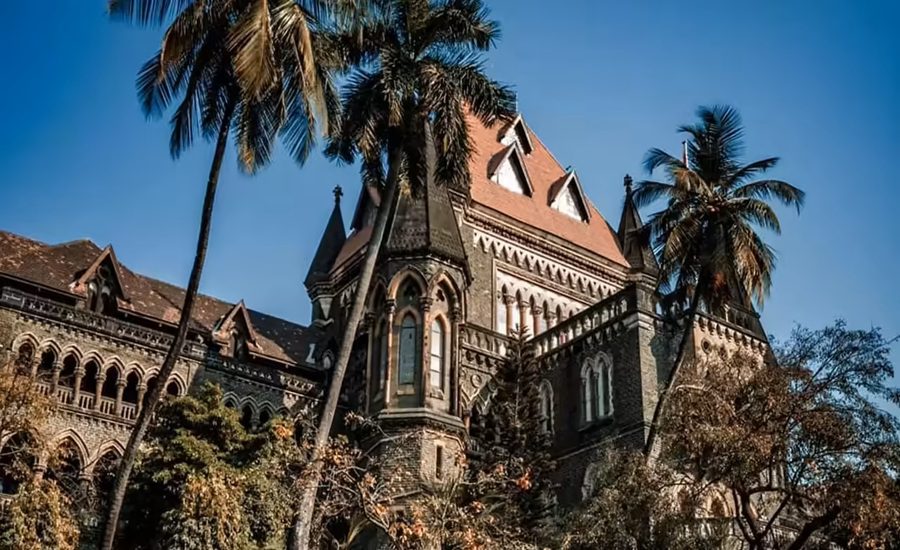
Mumbai: In an unprecedented judicial intervention late Tuesday evening, the Bombay High Court conducted an emergency hearing from the residence of Chief Justice Shree Chandrashekhar after it was brought to the bench’s attention that subordinate court staff were directed to perform election duty by the Brihanmumbai Municipal Corporation (BMC).
The High Court, currently on winter/New Year recess, reacted swiftly to address what it termed a serious administrative overreach that threatens judicial independence.
Details of Bombay High Court Emergency Hearing
The High Court, which is on winter leave until January 4, 2026, typically hears only urgent matters before vacation judges. Despite the recess, Chief Justice Shree Chandrashekhar and Justice Ashwini Bhobe convened the special session at 8:00 PM on Tuesday after receiving communication that court staff had been requisitioned for election duty on December 30, 2025, between 3:00 PM and 5:00 PM.
Read also: Mumbai Air Pollution: Court-Mandated Inspection Team to Survey Sites for Pollution Norms Compliance
The bench expressed concern over the BMC Commissioner’s December 22 communication asking court staff to report for election duty during working hours — a directive that, if enforced, could disrupt judicial functioning and blur the boundaries between civic administration and the judiciary.
Judicial Independence and Administrative Control
During the hearing, the Court cited a September 12, 2008 resolution by the Bombay High Court’s Administrative Judges Committee that explicitly exempted both High Court and subordinate court staff from election duty.
The resolution further stated that the High Court would not share its staff details with the Election Commission, emphasizing the court’s complete control and superintendence over subordinate judiciary personnel under Articles 233 and 235 of the Constitution of India.
The bench underscored that any directive compelling judicial staff to temporarily serve under a civic authority, such as the BMC or under the District Election Officer, interferes with the constitutional role and independence of the judiciary.
BMC’s Response — Court Rejects Withdrawal Request
Representing the Brihanmumbai Municipal Corporation, counsel informed the Court that the Commissioner intended to withdraw the directive after recognizing the conflict with the established judicial policy.
However, the Court refused this request, insisting on a personal affidavit from the BMC Commissioner, who also serves as the District Election Officer, explaining the legal basis and jurisdiction under which the election duty notice was issued to judicial staff. The bench argued that it would be inappropriate to dismiss the matter without a formal sworn statement outlining the authority for such a directive.
Bombay High Court Emergency Hearing: Court Issues Restraint Order and Directions
In its order, the Bench laid down a firm directive:
- The BMC Municipal Commissioner cum District Election Officer is restrained from issuing any communication to High Court or subordinate court staff requiring them to perform election duty.
- No action shall be taken against court personnel based on the December 22, 2025 communication.
- The Commissioner must file a personal affidavit detailing the legal and constitutional grounds for issuing the disputed directive.
The High Court also extended the deadline to January 5, 2026, when the matter will be heard again after the conclusion of winter recess.
Wider Context of the Bombay High Court Emergency Hearing
This development comes amid growing administrative challenges in Mumbai ahead of the BMC elections 2026, where civic staff and government servants across departments have been briefing clashes between administrative orders and constitutional duties.
Election preparations have seen other public servants like doctors and health workers seek cancellation of election duty assignments, citing disruption to essential services.
Such issues amplify debates on balancing essential civic services, constitutional independence of institutions (like the judiciary), and procedural requirements for free and fair elections.
Read also: Explained: Why Did the Bombay High Court Order a Fast-Track NDPS Trial Against a Yemeni National