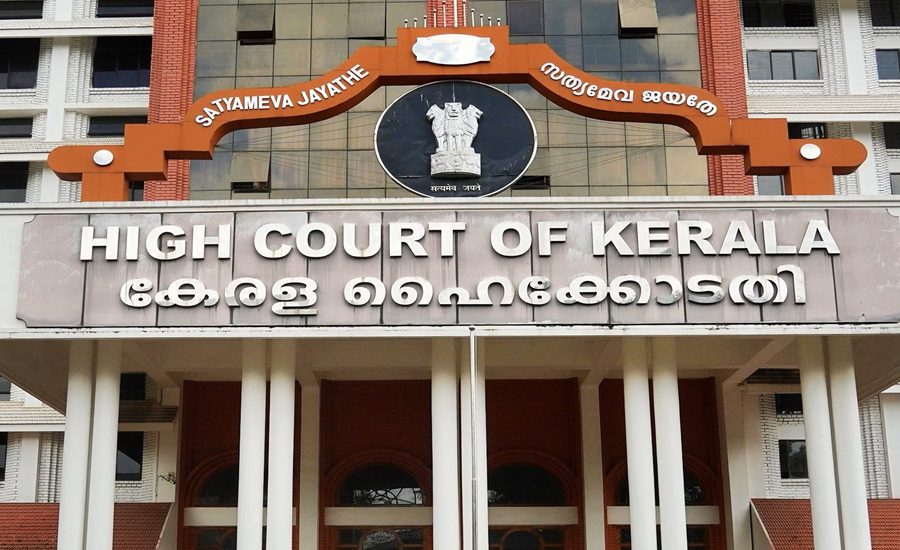
Thiruvananthapuram: The Kerala High Court has taken a significant step toward expediting narcotics-related trials by directing the State Government of Kerala to establish special NDPS (Narcotic Drugs and Psychotropic Substances) Courts in five judicial districts.
This move comes amid a mounting backlog of NDPS cases and aims to strengthen judicial infrastructure to effectively combat drug offences across the state.
Kerala NDPS Courts: Why the High Court Took Action
The High Court bench comprising Chief Justice Soumen Sen and Justice C Jayachandran heard a number of petitions and suo motu proceedings on January 27, 2026, regarding the growing delay in NDPS trials.
The court noted that Kerala currently has only two exclusive NDPS courts — located in Kozhikode and Idukki — while thousands of cases remain pending elsewhere.
According to court records, over 7,200 NDPS cases were pending across the state as of March 31, 2025, with high concentrations in districts like Ernakulam, Thiruvananthapuram, Palakkad, and Manjeri. These figures highlighted the urgent need for more specialised judicial mechanisms to handle drug-related litigation efficiently.
Kerala NDPS Courts: Court’s Directive to the State Government
The High Court directed the State to take immediate steps to set up:
- Special NDPS Courts in Thiruvananthapuram and Ernakulam, in addition to the existing ones; and
- Three more exclusive NDPS Courts in Thrissur, Palakkad, and Manjeri districts.
The court noted that the government’s earlier proposal to establish only two additional courts was inadequate, given the heavy caseload and backlog in multiple regions.
To ensure swift action, the Court has mandated that:
- The special NDPS courts must be fully equipped and operational within eight weeks, and
- A compliance report must be filed with the High Court within that timeframe.
If the deadlines are not met, the Additional Chief Secretary of Kerala’s Home Department may have to personally explain the delay.
Addressing Forensic Delays and Case Disposal Challenges
During hearings, the Court also pointed to systemic delays caused by vacancies in Forensic Science Laboratories (FSLs). Testing and scientific analysis play a key role in NDPS trials, and unfilled posts have exacerbated slow case disposal.
The State informed the Court that out of 31 proposed posts for forensic departments, only 12 have been sanctioned so far, with 19 posts still pending approval by the State Finance Department. The High Court directed authorities to expedite these approvals and staffing processes.
What is the Impact of Kerala NDPS Courts
Experts believe this judicial intervention will greatly enhance speedy justice delivery in narcotics cases. NDPS offences often involve complex investigations, evidence challenges, and procedural nuances that benefit from specialised courts.
Special NDPS courts focus solely on cases under the Narcotic Drugs and Psychotropic Substances Act, ensuring that judicial officers with expert knowledge manage the trials efficiently. This can reduce delays and improve conviction rates where merited.
What Lies Ahead
The matter is scheduled for further review by the High Court in mid-February 2026, where the compliance report will be discussed and next steps determined.
Critics have welcomed the move, saying specialised courts will address pendency and enhance judicial focus on drug-related crimes. Meanwhile, others urge the State government to pair court expansion with better policing, investigation techniques, and rehabilitation measures for offenders.