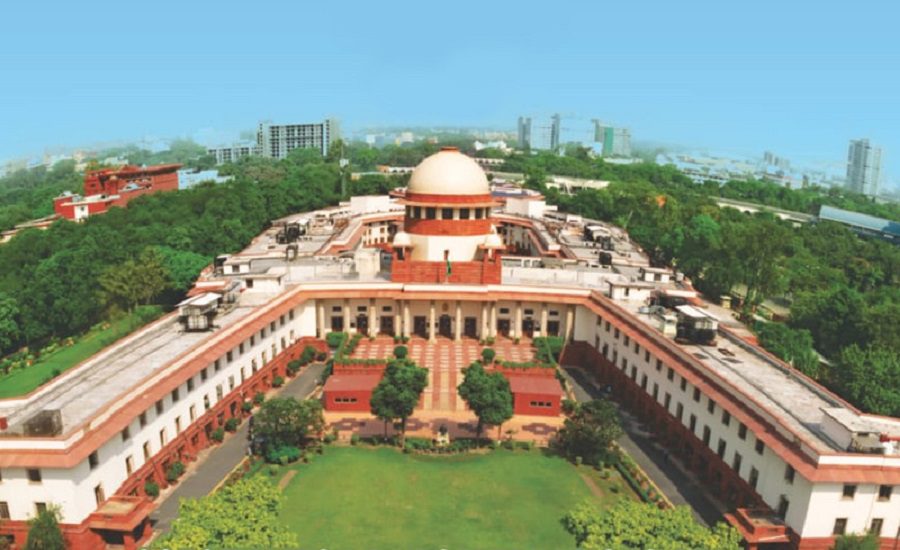
New Delhi: The right to vote debate has once again come into focus after the Supreme Court of India clearly ruled that voting is not a fundamental right, but a statutory right created by law.
In its latest judgment, the Court reaffirmed long-standing legal principles, stating that both the right to vote and the right to contest elections are governed by statutes and can be regulated. The ruling came while hearing a case related to cooperative society elections in Rajasthan, bringing clarity to a frequently misunderstood constitutional issue.
What Did the Supreme Court Say?
The Supreme Court made it clear that:
- The right to vote is not a fundamental right under the Constitution
- It is a statutory right, meaning it exists because of laws passed by Parliament
- It can be regulated, restricted, or modified by legislation
Read also: No More Endless Queues! Aadhaar Correction Declared a Fundamental Right by Madras HC
The Court stated:
“Neither the right to vote nor the right to contest an election is a fundamental right… both are purely statutory rights.”
This means citizens cannot claim voting as a guaranteed fundamental right under Part III of the Constitution.
Difference Between Fundamental Right and Statutory Right
Fundamental Rights
- Given under Part III of the Constitution
- Cannot be easily taken away
- Examples: Right to Equality, Right to Freedom
Statutory Rights
- Created by laws (like the Representation of the People Act)
- Can be changed or regulated by Parliament
- Voting falls under this category
The Court emphasized that voting rights exist only to the extent laws provide them.
Right to Vote vs Right to Contest Elections
The judgment also clarified an important distinction:
Right to Vote
- Allows a person to participate in elections
- Governed by statutory provisions
Right to Contest Elections
- A separate and additional right
- Subject to stricter conditions like:
- Eligibility criteria
- Disqualifications
- Institutional requirements
The Court said that contesting elections can have more restrictions than voting itself.
Background of the Case
- The case involved election rules of District Milk Producers’ Cooperative Unions in Rajasthan
- Certain eligibility conditions were challenged in court
- The Rajasthan High Court had struck them down
- The Supreme Court reversed that decision
The Court ruled that these conditions were valid eligibility rules, not violations of any constitutional rights.
What is the Importance of Supreme Court Ruling on Right to Vote
1. Clears Legal Confusion
Many people believe voting is a fundamental right. This ruling clarifies that it is not constitutionally guaranteed.
2. Strengthens Legislative Authority
Parliament and state legislatures can set rules for voting and elections.
3. Impacts Election Laws
Future election-related disputes will rely on this principle, especially regarding:
- Voter eligibility
- Candidate qualifications
- Electoral reforms
Past Supreme Court Position
This is not a new view. The Supreme Court has repeatedly held that:
- Voting rights are statutory in nature
- They depend on laws like the Representation of the People Act
The latest ruling simply reaffirms settled law.