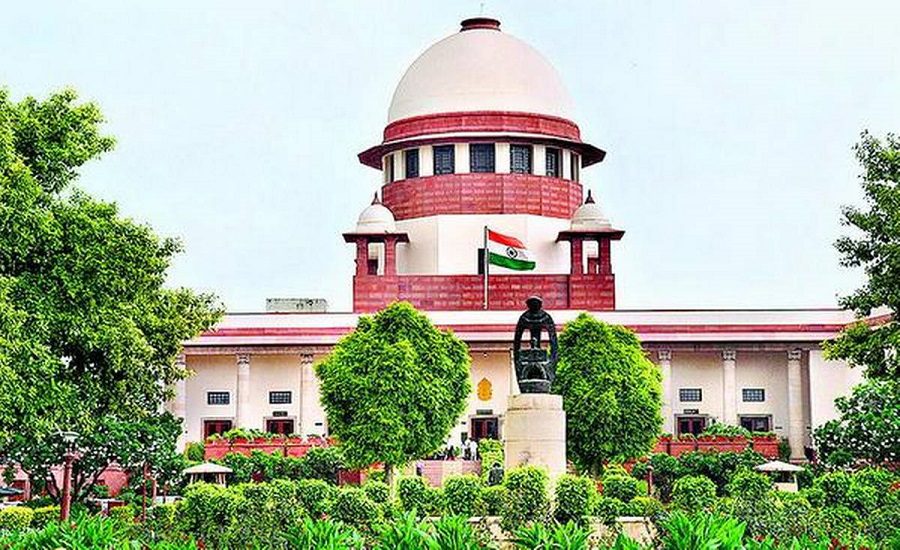
New Delhi: The Supreme Court extended the deadline for the Bar Council of Uttar Pradesh election till February 2, bringing temporary relief to thousands of advocates across the state.
The top court stepped in after concerns were raised over delays and procedural issues affecting the electoral process.
This decision aims to ensure fairness, transparency, and wider participation in one of the largest bar council elections in India. The order gives additional time to complete pending formalities and prevents unnecessary exclusion of eligible voters.
Uttar Pradesh Bar Council Election Row: Supreme Court Key Order
The has officially extended the deadline for conducting the Bar Council of Uttar Pradesh (BCUP) elections to February 2.
The extension came after the court examined issues related to voter lists, eligibility verification, and administrative delays. The bench observed that strict adherence to the earlier deadline could adversely affect the democratic process within the legal fraternity.
Court’s Stand on Fair Elections
The Supreme Court emphasized that professional bodies like bar councils must function democratically. Elections should not become a mechanical exercise but must reflect genuine participation.
The court made it clear that:
- Fairness is more important than speed
- No eligible voter should be left out
- Transparency must be maintained at every stage
Uttar Pradesh Bar Council Election Row: Why the Deadline Was Extended
The court took note of multiple practical difficulties, including:
- Incomplete verification of eligible advocates
- Disputes related to voter lists
- Concerns over exclusion of genuine members
- Time required for fair administrative compliance
By extending the deadline, the court ensured that the election process remains inclusive and legally sound.
What is the Impact of Uttar Pradesh Bar Council Election Row
The is one of the largest state bar councils in the country. Any delay or irregularity in its elections directly impacts thousands of practicing lawyers.
With the new deadline:
- More advocates can complete registration formalities
- Authorities get time to rectify errors
- The credibility of the election process improves
This move is widely seen as a step toward protecting the democratic rights of advocates.