New Delhi: A remark by Justice Aravind Kumar has sparked a fresh debate on work-life balance after he advised young lawyers to work longer hours, including Sundays, and remain deeply committed to their profession.
The Supreme Court of India judge emphasized that early-career professionals in law should be “wedded to their profession” to achieve success.
‘Dedication Brings Results’
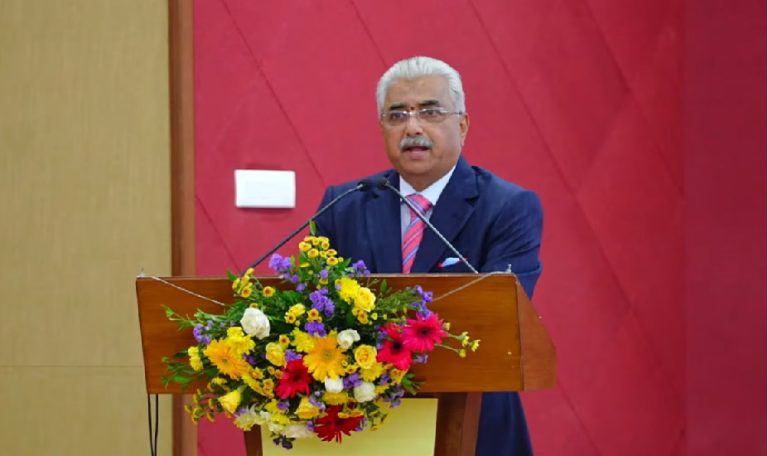
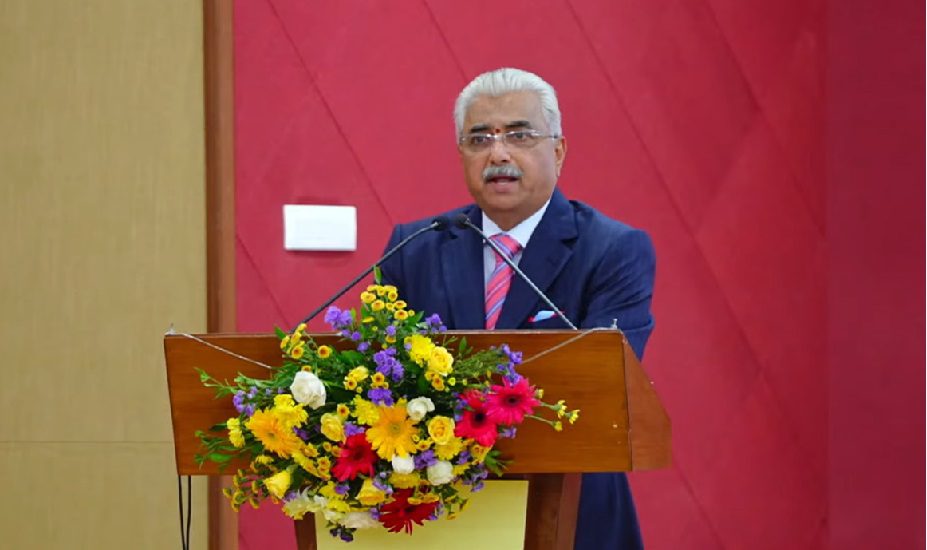
Speaking at the 5th edition of the ICA International Conference, Justice Kumar stressed that dedication and consistent hard work are crucial during the initial years of a legal career.
“You should be wedded to your profession and only when you dedicate yourself to what you are doing, the results will be encouraging,” he said.
He also expressed concern over what he described as a growing trend of young professionals taking weekends off, particularly in cities like Delhi, Mumbai, and Kolkata.
Read also: Is the Right to Vote a Fundamental Right in India? Key Facts, Legal Meaning, and Impact Explained
Recalls Early Days Without Holidays
Drawing from his own experience at the Bar in Bengaluru, Justice Kumar said that lawyers in his early years worked almost without breaks.
“In Bangalore, we had no holidays. Only holiday was Sunday going at 4:30. Otherwise, we used to always work,” he recalled, adding that long working hours—from late mornings to well past midnight—were common.
He also shared a personal anecdote about attending court proceedings shortly after his wedding, emphasizing his commitment to learning and maintaining professional continuity.
Learning Over Leisure
Justice Kumar cautioned that shorter working hours could limit learning opportunities, especially in a demanding profession like law.
Explaining his decision to return to work soon after marriage, he said he did not want to “lose the flow of reasoning” and was focused on gaining experience.
Remarks Spark Work-Life Balance Debate
The judge’s comments have reignited discussions on work-life balance, particularly on social media platforms.
Many users drew parallels with statements made by Narayana Murthy, who had earlier advocated for a 70-hour work week for nation-building, triggering widespread debate.
Similarly, S. N. Subrahmanyan had stirred controversy after expressing a desire for employees to work on Sundays as well.
Divided Opinions Online
While some supported Justice Kumar’s emphasis on discipline and dedication, others questioned whether such expectations are sustainable or fair in today’s work environment.
The remarks highlight the ongoing tension between professional excellence and personal well-being, especially in high-pressure careers like law.