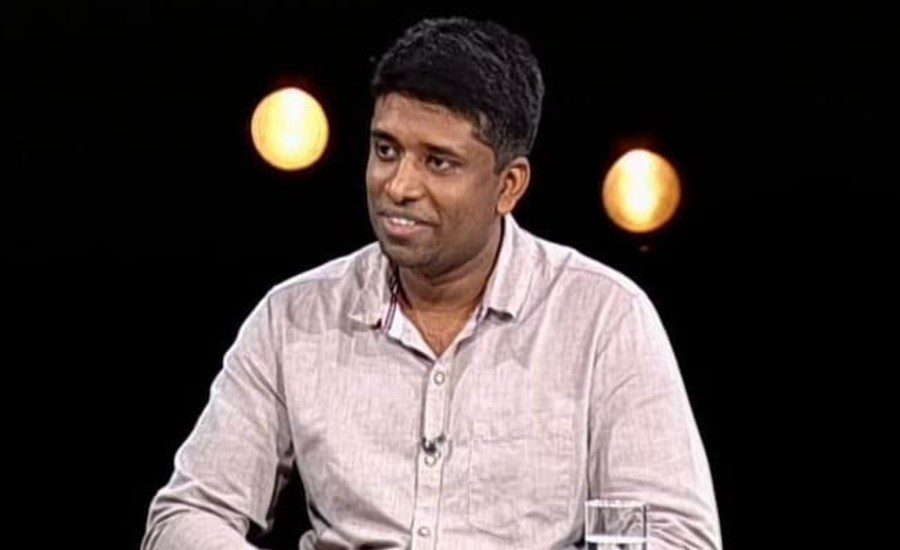
The long-pending resignation of Kannan Gopinathan has reignited debate over how the government processes exits from the Indian Administrative Service (IAS). Gopinathan, who resigned in 2019 citing concerns over civil liberties in Jammu & Kashmir, has alleged that the Union government has delayed accepting his resignation for over six years.
Resignation Still Pending with the Government
Government sources indicate that the final recommendation on his resignation is yet to reach the Department of Personnel and Training (DoPT), the cadre-controlling authority for the IAS). This means the matter remains pending with the Ministry of Home Affairs, with no precedent for such prolonged delays.
Also read: Chhattisgarh CM Vishnu Deo Sai Puts State on High Alert Amid West Asia Tensions; Ensures Fuel, LPG, and Fertilizer Supply
From Resignation to Politics
Gopinathan resigned in August 2019 following the abrogation of Article 370 in Jammu & Kashmir, citing restrictions on freedom of expression. In 2025, he joined the Indian National Congress and was reportedly being considered for the Palakkad Assembly seat. However, as his resignation remains unaccepted, his official status continues to be that of a serving government officer, raising questions under service conduct rules.
What Conduct Rules Say on Political Activity
The All India Services (Conduct) Rules bar serving officers from engaging in political activity or associating with political parties. An amendment in 2014 reinforced the requirement for political neutrality, mandating that government servants uphold constitutional values at all times. Gopinathan recently addressed Narendra Modi on social media, calling the delay “harassment” and urging the government to process his resignation.
How IAS Officers Resign
Resignations of All India Services officers are governed by the All India Services (Death-cum-Retirement Benefits) Rules, 1958. Officers in state cadres submit resignations to the Chief Secretary, while those on central deputation submit them to the concerned ministry. For AGMUT cadre officers like Gopinathan, cases are routed through the Ministry of Home Affairs. The resignation must be clear and unconditional.
Scrutiny Before Acceptance
Before forwarding a resignation, authorities examine pending disciplinary or vigilance cases, financial dues, and compliance with service bonds. Resignations are typically rejected if serious inquiries are pending or obligations remain unfulfilled.
No Fixed Timeline for Acceptance
There is no prescribed timeline for accepting an IAS officer’s resignation. However, a 1988 DoPT circular states that retaining an unwilling officer is not in the government’s interest. At the same time, resignations may be delayed if the officer is under investigation or if the post is critical and replacement arrangements are pending.
What Happened After Gopinathan’s Resignation
Despite resigning in 2019, Gopinathan continued to appear in official records. He was posted in Dadra and Nagar Haveli after his resignation, and a departmental inquiry was initiated against him. A chargesheet cited alleged violations, including unauthorised communication with the media. In 2020, an FIR was filed after he declined to return to duty during the COVID-19 pandemic.
Past Precedents and Similar Cases
Since 2010, 31 IAS officers have resigned, according to DoPT data. Notable examples include Arvind Kejriwal, who resigned from the IRS in 2006 and later faced bond-related penalties; O P Choudhary, who entered politics after resigning; and Ashwini Vaishnaw, who left the service to enter business and later politics.
Can IAS Officers Withdraw Resignation?
Rules allow withdrawal of resignation in public interest, but only under specific conditions. For example, Shah Faesal withdrew his resignation before it was accepted and returned to service in 2022. However, withdrawal is not permitted if the resignation was intended to pursue political activities unless it was never formally accepted.
A Case That Raises Larger Questions
While Shah Faesal returned to service, Gopinathan’s case has moved in the opposite direction. With his resignation still pending and his political involvement increasing, the situation highlights gaps in administrative timelines and raises broader questions about transparency and accountability in handling IAS resignations.
Also read: Amit Shah on Continuous Transfer of IAS and IPS Officers in West Bengal: What He Said