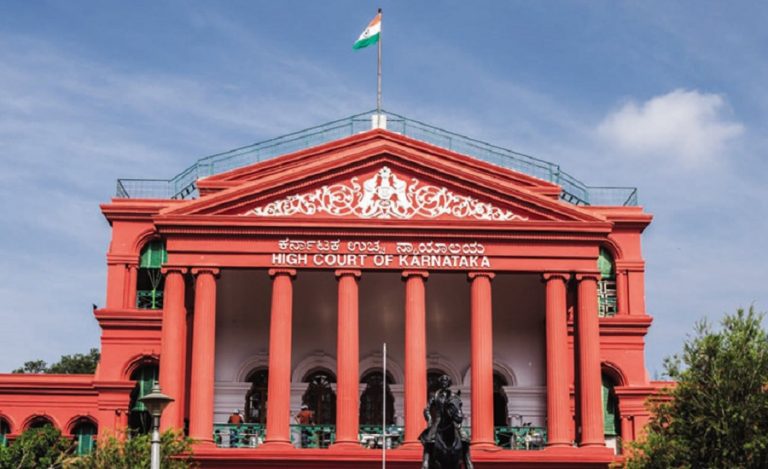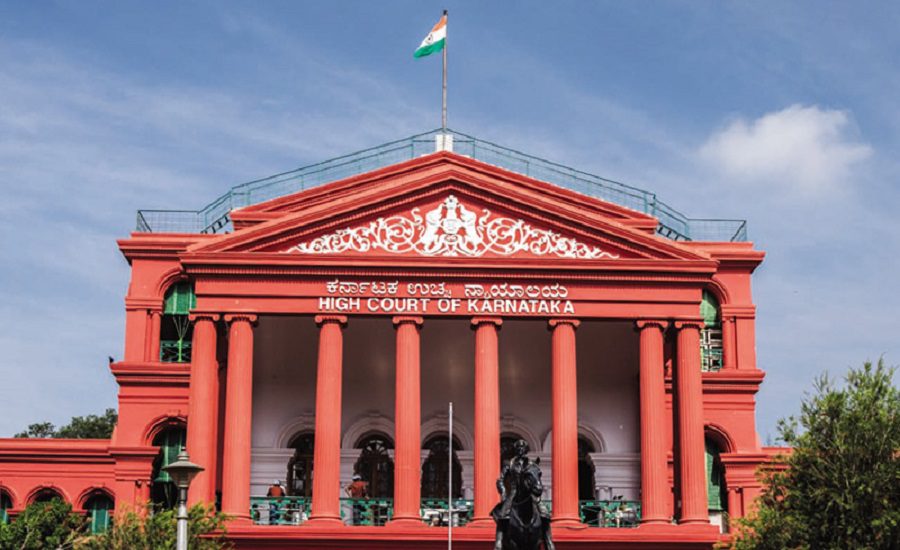
Bengaluru: The Karnataka High Court has directed the state government to grant approval for the prosecution of Rohini Sindhuri, an IAS officer accused in the 2021 eco-friendly bag scam. The case alleges that Sindhuri purchased eco-friendly bags at ₹52 per unit, while the market price was only ₹13, causing an estimated loss of ₹7 crore to the state exchequer. The court emphasized that corruption allegations should undergo proper investigation, even if prior government approvals were denied.
Background of the Eco-Bag Scam
The alleged scam took place in 2021 when Rohini Sindhuri served as Deputy Commissioner of Mysuru and Managing Director of Karnataka Handloom Development Corporation. Social activist and lawyer Ravichandre Gowda from Mysuru filed a complaint with the Anti-Corruption Bureau in 2021, alleging financial irregularities in the purchase of eco-friendly bags.
Gowda claimed that Sindhuri’s actions led to a substantial loss of ₹7 crore, as she allegedly paid ₹52 per bag against a market value of ₹13. The petition sought government approval for her prosecution, which was initially denied on September 19, 2022, and again on May 26, 2025.
Read also: Allahabad High Court Demands Explanation from SP for Calling Trial Court ‘Court Below’
High Court Intervention
Following repeated government rejections, the petitioner approached the Karnataka High Court. Justice Nagaprasanna, Single Judge of the High Court, criticized the government for failing to undertake a “meaningful re-evaluation” of the request.
“Ordinarily, this court would have deemed it appropriate to remit the matter back to the government for fresh consideration. However, in the peculiar facts of the present case, such a course is both unnecessary and unwarranted. The government, instead of re-evaluating, chose to reiterate its earlier position. Further remand would serve no fruitful purpose and only prolong justice,” Justice Nagaprasanna stated.
Emphasis on Investigation Over Summary Closure
The court referred to multiple Supreme Court rulings, highlighting the principle that allegations of corruption must be investigated thoroughly and cannot be dismissed prematurely. Justice Nagaprasanna explained:
“The spectre of corruption, once raised on the basis of material placed on record, cannot be summarily extinguished at the threshold. It must be allowed to unfold through the process of investigation. Departmental proceedings and criminal prosecution operate in distinct spheres, governed by different standards of proof and objectives. The closure of one does not automatically prevent the other.”
This ruling reinforces the importance of allowing legal and investigative procedures to establish the truth in corruption cases, irrespective of previous administrative rejections.
Implications for IAS Officers and Governance
The High Court’s directive sets a precedent for holding public officials accountable while ensuring that allegations are examined through proper investigative channels. Experts suggest that the judgment strengthens the rule of law and discourages arbitrary administrative decisions in high-profile cases.
Rohini Sindhuri, a senior IAS officer, now faces potential criminal proceedings following the court’s order, marking a significant development in one of Karnataka’s most closely watched administrative corruption cases.
Read also: Who Is IAS Rohini Sindhuri? Karnataka HC Orders Nod for FIR in Cloth Bag Procurement Case