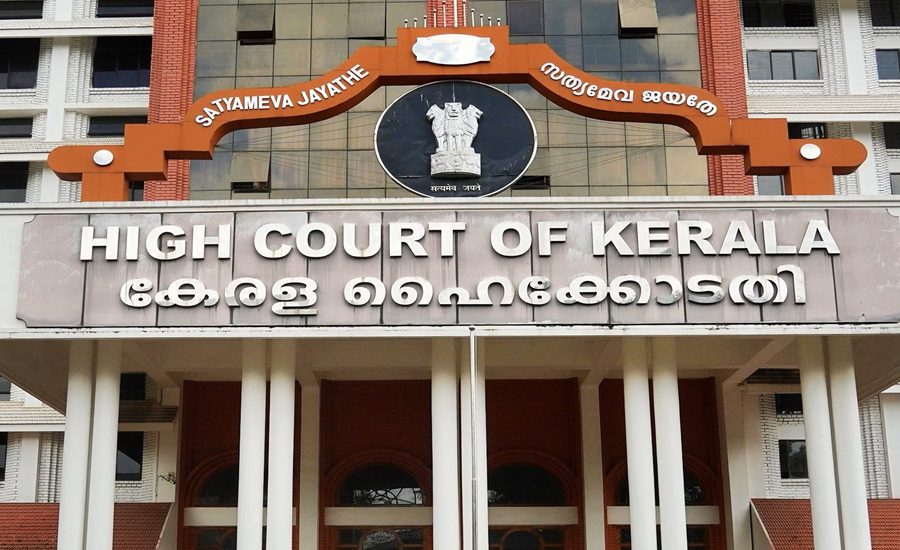
Thiruvananthapuram: The Kerala High Court Collegium recommendation has brought significant developments in the Indian judiciary system, as five senior judicial officers have been proposed for elevation as High Court judges.
The move aims to strengthen the bench and improve judicial efficiency in Kerala. Based on seniority and service record, the collegium selected experienced District Judges for elevation, reflecting a continued emphasis on merit and judicial experience.
Details of Kerala High Court Collegium Recommendation
The Kerala High Court collegium has recommended the elevation of five judicial officers to serve as judges of the High Court.
These recommendations are part of the regular judicial appointment process aimed at filling vacancies and ensuring faster case disposal.
Names of Judges Recommended for Elevation
According to official legal reports, the following judicial officers have been recommended:
- P.S. Sasikumar (Thrissur)
- Honey M. Varghese (Alappuzha)
- K.K. Balakrishnan (Ernakulam)
- N. Harikumar (Pathanamthitta)
- S. Naseera
These officers are primarily serving as District and Sessions Judges and were selected based on seniority and experience.
Key Highlights of the Kerala High Court Collegium Recommendation
1. Focus on Seniority and Experience
The collegium followed the principle of seniority among District Judges while recommending names. This ensures fairness and transparency in judicial promotions.
2. Inclusion of Women Judges
Out of the five recommended names, two are women judges, highlighting gradual progress toward gender representation in the judiciary.
3. Notable Judge: Honey M. Varghese
Judge Honey M. Varghese, currently serving as Principal District and Sessions Judge, has been in the spotlight for handling high-profile cases, including a major criminal case involving a Malayalam actor.
How the Collegium System Works
India follows the Collegium System for appointing judges to higher courts.
- Senior judges recommend names
- Recommendations are sent to the Central Government
- Final appointment is made after approval
This system is designed to maintain judicial independence and minimize external influence.
Read also: Explained: Kerala High Court’s Order on Special NDPS Courts and What It Means for Drug Trials