Patna: In a remarkable example of rural innovation, nearly 50 farmers from Bandehra panchayat in Parbatta block of Khagaria district, Bihar, have transformed banana crop waste into a thriving source of income. What was once discarded as agricultural residue is now generating thousands to lakhs of rupees for local farmers.
The initiative has been implemented under the Lohia Swachh Bihar Abhiyan (LSBA), which focuses on scientific waste management and rural cleanliness while creating sustainable livelihood opportunities.
15 Acres of Banana Farming, Zero Waste Model
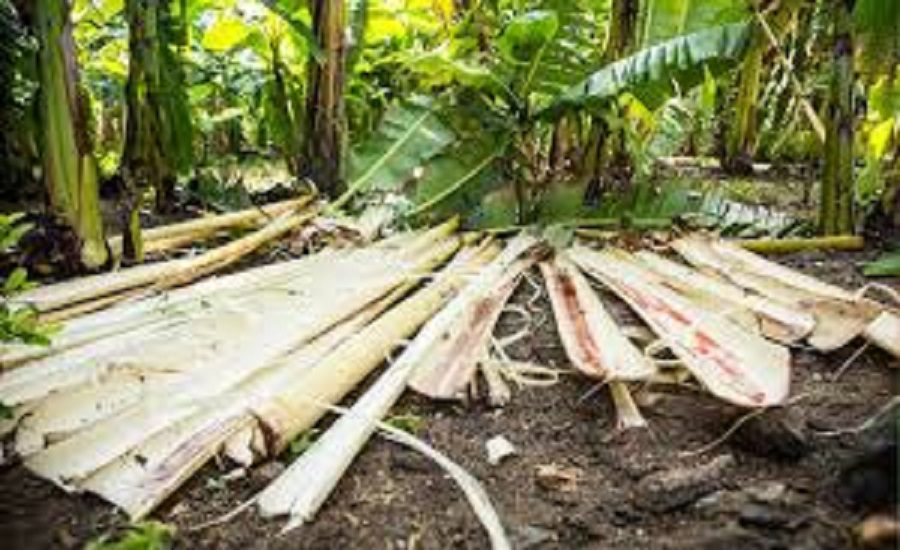
Farmers in Bandehra cultivate bananas across nearly 15 acres of land. Earlier, while the fruit was harvested and sold, the leftover stems created disposal problems and led to unhygienic conditions in and around the village.
With the intervention of LSBA, farmers began processing banana stems instead of discarding them. Today, the entire crop residue is systematically collected and monetised, making the village a model for waste-to-wealth transformation.
Read also: Bihar Panchayati Raj Receives ₹803.79 Crore from Centre to Boost Rural Development and Welfare
Fibre Products Reach International Markets
The banana stems are processed to extract fibre, which is then used to manufacture eco-friendly products such as:
- Textile fabrics
- Baskets
- Bags
- Mats and carpets
- Handicraft hats popular among tourists
Farmers receive payments per stem through the Banana Farmers Cooperative Society. The finished products are environmentally sustainable and have reportedly reached international markets, creating a steady demand.
District Coordinator Meera Kumari highlighted that farmers no longer bear disposal costs and are instead earning additional income from what was once considered waste.
Organic Compost from Banana Pulp Waste
After fibre extraction, the remaining pulp waste is used to produce organic compost. According to Cooperative Director Brijesh Kumar, the compost sells at around ₹50 per kilogram in the market due to strong demand.
A group of nearly 50 women associated with Jeevika self-help groups are engaged in compost production. The group is also promoting collective organic farming across approximately 80 acres of land in and around Bandehra.
Boost to Rural Economy and Cleanliness
The initiative has:
- Reduced agricultural waste
- Improved village sanitation
- Created additional income streams
- Generated employment for women
- Promoted organic farming practices
Bandehra’s success story is now inspiring neighbouring villages to adopt similar waste-management and income-generation models.
A Model for Sustainable Rural Development
By turning banana stems into fibre products and compost, farmers in Khagaria have demonstrated how innovation, cooperative effort, and government support can convert agricultural waste into economic opportunity.
The Bandehra model stands as a powerful example of how rural Bihar is embracing sustainability while strengthening livelihoods.
Read also: Bihar Govt Launches Raxaul–Haldia Greenfield Expressway to Boost Connectivity and Trade