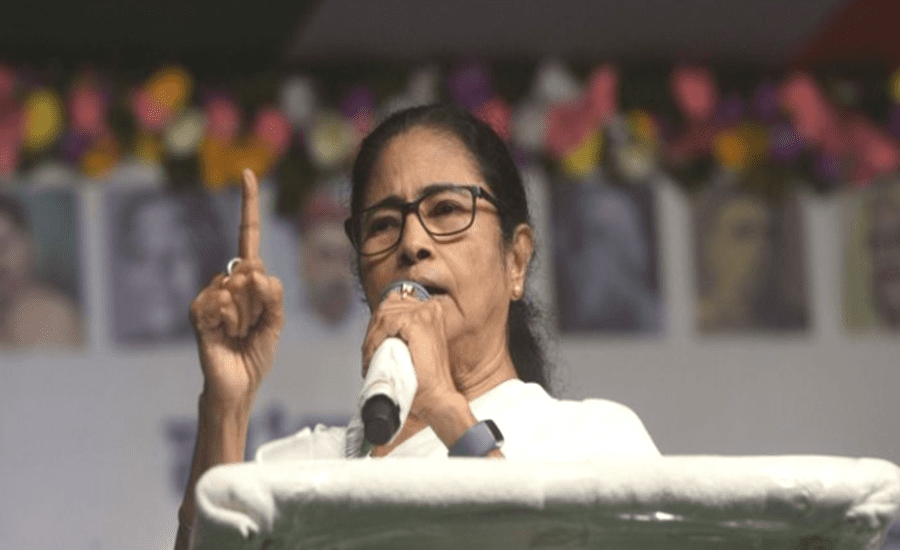
In a politically significant move ahead of the upcoming West Bengal Legislative Assembly election, Mamata Banerjeehas announced that the Government of West Bengal will establish five new cultural and development boards for selected Scheduled Tribe, Scheduled Caste, and Other Backward Class communities in the state.
The decision covers the Munda, Kora, Dom, Kumbhakar, and Sadgop communities, and is being seen as both a welfare measure and an important social outreach initiative ahead of the next electoral cycle in West Bengal.
Five Communities to Get Dedicated Boards
According to Chief Minister Mamata Banerjee, the new boards will be created for:
• Munda community (Scheduled Tribe)
• Kora community (Scheduled Tribe)
• Dom community (Scheduled Caste)
• Kumbhakar community (OBC)
• Sadgop community (OBC)
These boards are expected to function as focused institutional mechanisms for community welfare and cultural preservation.
Boards to Protect Language, Culture and Rights
The Chief Minister said the proposed boards will work to safeguard:
• traditional identity
• language rights
• social customs
• cultural heritage
At the same time, they will also promote development in critical sectors such as:
• education
• healthcare
• employment
The state government intends to combine cultural recognition with targeted welfare delivery.
Announcement Made Through Social Media
In a post on X, Mamata Banerjee said she was pleased to announce the formation of the five new boards and described the selected communities as an important part of Bengal’s social and cultural fabric.
She said these communities contribute significantly to the state’s diversity and deserve focused institutional support.
Part of Ongoing Community Board Expansion Since 2013
The Chief Minister also noted that since 2013, her government has already created multiple community-specific boards across West Bengal.
These boards have been used as targeted welfare platforms for vulnerable and historically underrepresented groups.
The latest five boards will add to that expanding framework.
‘No Community Should Be Left Behind’: Mamata
Mamata Banerjee reiterated that her government’s development model is based on inclusion.
According to her, the objective is to ensure that every section of society benefits from state support and that development reaches all communities equally.
She framed the move as part of equitable development and cooperative governance.
Political Significance Ahead of 294-Seat Assembly Poll
The announcement comes at a politically sensitive time, with the next assembly elections expected in a state where the legislative assembly has 294 seats.
The ruling All India Trinamool Congress is seeking a fourth consecutive term, while Bharatiya Janata Party continues preparations to expand its electoral footprint in the state.
Community-specific institutional outreach is likely to influence social coalition building before the polls.
Why the Move Matters
The five communities identified have social significance in different regions of Bengal, particularly in rural and semi-rural belts.
Dedicated boards often help governments:
• improve direct welfare delivery
• create symbolic political recognition
• strengthen grassroots communication
• channel targeted schemes
This makes such announcements both administratively and politically important.