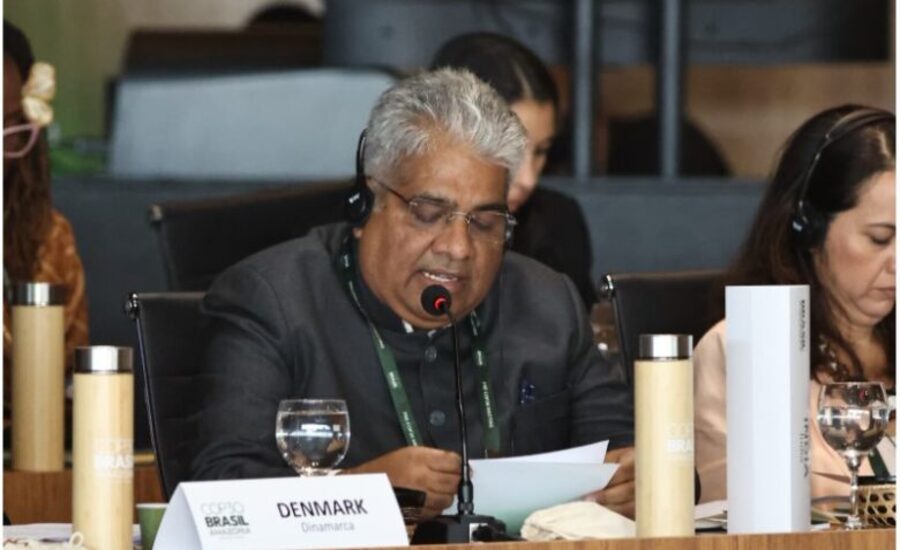
At a time when balancing development with conservation is becoming increasingly critical, the Standing Committee of the National Board for Wildlife (SC-NBWL) convened its 90th meeting in Dehradun, setting the tone for a more technology-driven and ecosystem-sensitive approach to wildlife governance in India.
Chaired by Union Environment Minister Bhupender Yadav, the meeting reviewed and deliberated on a wide range of infrastructure proposals, including roads, drinking water supply, transmission lines, irrigation, and defence projects—sectors that often intersect with ecologically sensitive zones.
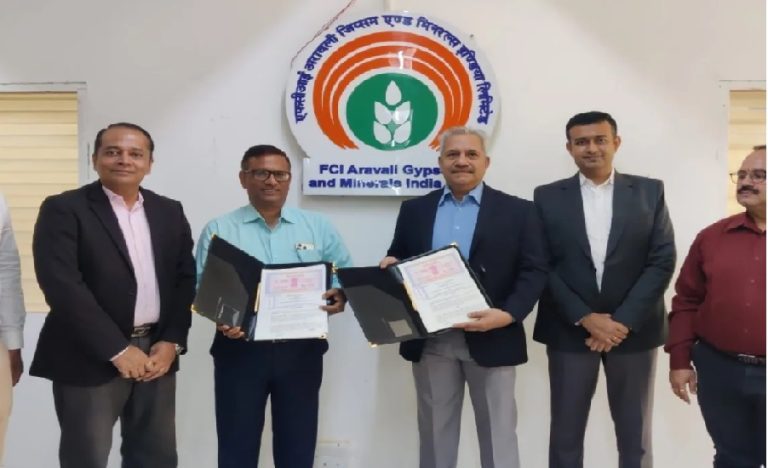
A key highlight was the signing of a Memorandum of Understanding between the Forest Survey of India and Bhaskaracharya National Institute for Space Applications and Geo-informatics. The collaboration aims to leverage geospatial technologies, remote sensing, and AI/ML tools to strengthen forest fire management, wildlife conservation, and decision-making systems.
FOCUS ON RIVER ECOSYSTEMS AND GRASSLANDS
The Committee placed special emphasis on maintaining environmental flows in the Chambal River to protect aquatic species such as dolphins and gharials, especially during lean seasons.
Discussions also highlighted the often-overlooked importance of grasslands and rangelands. These ecosystems play a vital role in biodiversity conservation, carbon sequestration, and supporting pastoral livelihoods. The Committee noted the need for better mapping, ecosystem-specific restoration, and integration with national commitments like land degradation neutrality.
Another important area of deliberation was the dependence of nomadic and pastoral communities on protected areas. The Committee stressed the need for a balanced approach that safeguards both conservation goals and traditional livelihoods.
The conservation status of wild water buffalo was also reviewed, with recommendations for a comprehensive action plan to ensure its protection.
The SC-NBWL, a statutory body under the Wild Life (Protection) Act, 1972, continues to play a crucial role in advising the government on wildlife conservation and sustainable development.