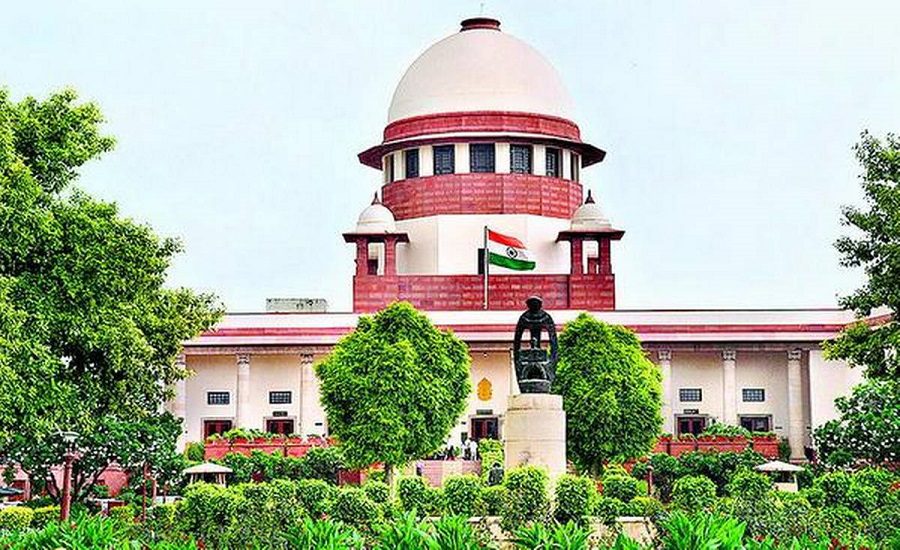
New Delhi, India – A former insider of the National Council of Educational Research and Training (NCERT) has approached the Supreme Court of India, challenging a passage in a Class 8 school textbook that allegedly misrepresents the judiciary. The plea comes amid ongoing controversy surrounding other judicial references in NCERT textbooks flagged by the country’s highest court.
NCERT Class 8 Textbook Judiciary Controversy: What the Petition Says
The petition filed in the Supreme Court contests a specific paragraph in the textbook Social and Political Life – III, published for Class 8 students across India. It argues that a sentence stating “recent judgments tend to view the slum dweller as an encroacher in the city” presents judicial decisions in a one-sided and misleading manner, especially for young readers.
Read also: Supreme Court Banned of NCERT Class 8 Textbook: Inside the Judiciary Corruption Controversy
According to the petitioner, such content omits vital context about how courts balance constitutional rights, public interest and legal principles when addressing complex issues like evictions. This, he says, could create an unfair impression that the judiciary is insensitive or regressive.
Background of NCERT Class 8 Textbook Judiciary Controversy
This petition follows the Supreme Court’s suo motu action against another Class 8 Social Science textbook for including mentions of “corruption in the judiciary,” which the Court criticised as potentially undermining public trust in constitutional institutions.
In that earlier matter, the Court expressed serious concern over how sensitive topics were presented to schoolchildren and sought corrective action, leading NCERT to temporarily halt distribution of the contentious textbook.
Concerns About Educational Impact
Legal experts and educators note that textbooks play a crucial role in shaping students’ understanding of democratic institutions. Critics of the contested passages argue that impartiality and accurate contextualisation are essential when presenting material about the judiciary, given its role in upholding the Constitution.
Read also: Turning Point for Indian Lawyers: Supreme Court Questions BCI’s Ban in Bar Council Elections