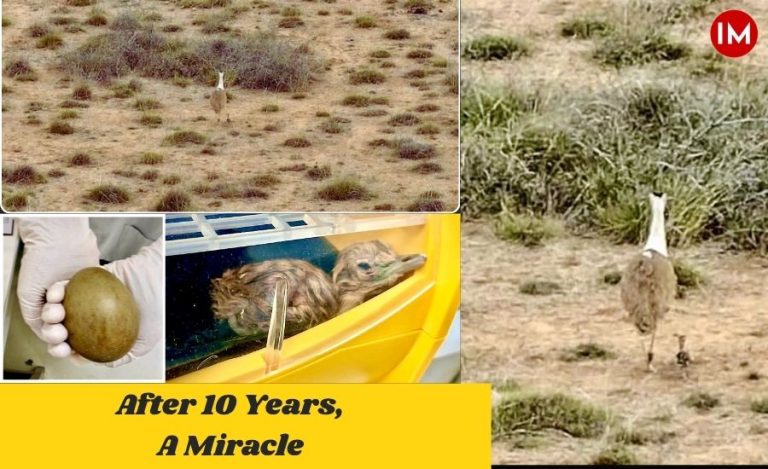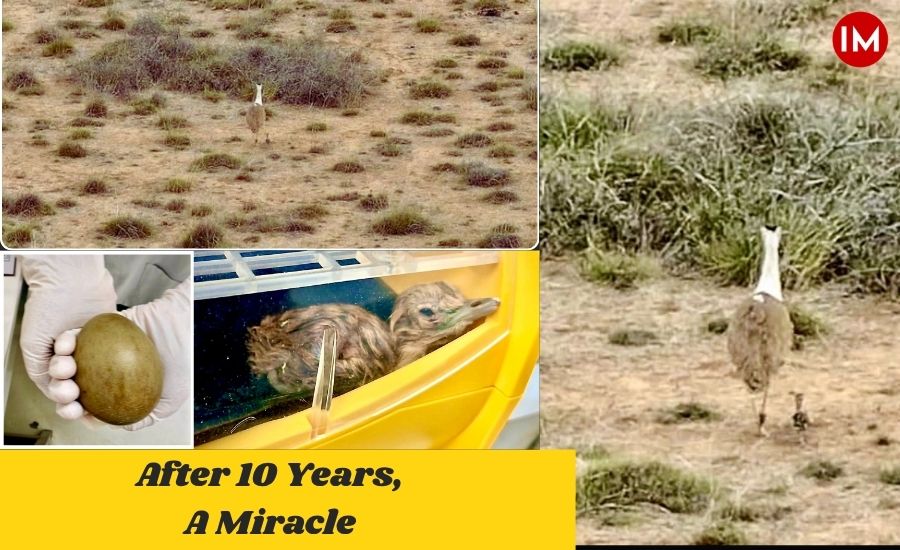
Gujarat: In a remarkable conservation achievement, Gujarat has recorded the hatching of a Great Indian Bustard (GIB) chick after a gap of ten years. This success comes through a novel “jumpstart” approach, a first-of-its-kind interstate conservation initiative coordinated by the Ministry of Environment, Forest and Climate Change, the State Forest Departments of Rajasthan and Gujarat, and the Wildlife Institute of India.
The operation, spanning more than six months, reflects India’s renewed commitment to saving the critically endangered GIB from the brink of extinction.
770-km Halt-Free Egg Transfer from Rajasthan to Gujarat
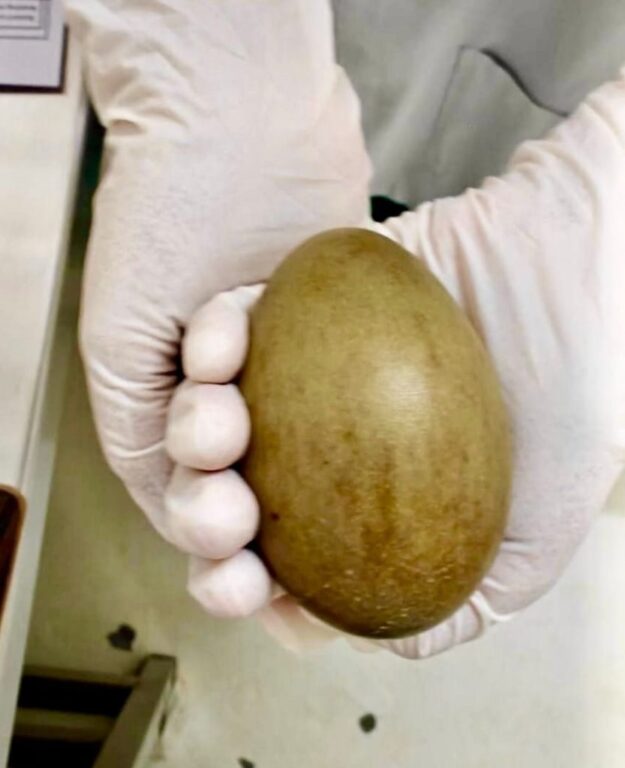
Officials said the most critical part of the mission involved transporting an incubated fertile egg from the conservation breeding centre in Rajasthan to Gujarat over a distance of 770 kilometres.
The egg was carried from Sam in Rajasthan to Naliya in Gujarat through a specially coordinated halt-free road corridor. The journey lasted over 19 hours and the egg was preserved throughout in a handheld portable incubator to ensure stable conditions.
This extraordinary effort became necessary because only three female Great Indian Bustards currently survive in the grasslands of Kutch, with no surviving males left in the region, making natural fertilisation impossible in the wild.
Project GIB: A Decade-Long Vision Realized
Project Great Indian Bustard, envisaged by Prime Minister Narendra Modi in 2011, aims to conserve GIB populations in their natural habitats, including Gujarat. Launched in 2016, the program entered its fourth year of captive breeding under the guidance of the Ministry and collaborating institutions.
Union Minister of Environment, Forest and Climate Change, Bhupender Yadav, highlighted that the conservation breeding centers in Sam and Ramdevra, Rajasthan, have now successfully nurtured 73 GIBs. This season alone saw the addition of five new chicks, marking a significant step toward rewilding the species.
Gujarat sees a GIB chick after a decade, through a novel conservation measure – the jumpstart approach, coordinated by the Ministry, State Forest Departments of Rajasthan and Gujarat, and Wildlife Institute of India.
— Bhupender Yadav (@byadavbjp) March 28, 2026
Envisioned by PM Shri @narendramodi ji in 2011 to conserve… pic.twitter.com/oE2DYTZBUF
The Jumpstart Approach: Fertile Egg Transplantation Across States
The breakthrough in Gujarat involved a major trans-state effort. A captive-bred GIB egg from Rajasthan’s breeding program was transported over 19 hours in a handheld portable incubator and placed in the nest of a female GIB in Kutch on March 22, 2026. Remarkably, the female, who had previously laid an infertile egg due to the absence of males in the local population, successfully incubated the fertile egg.
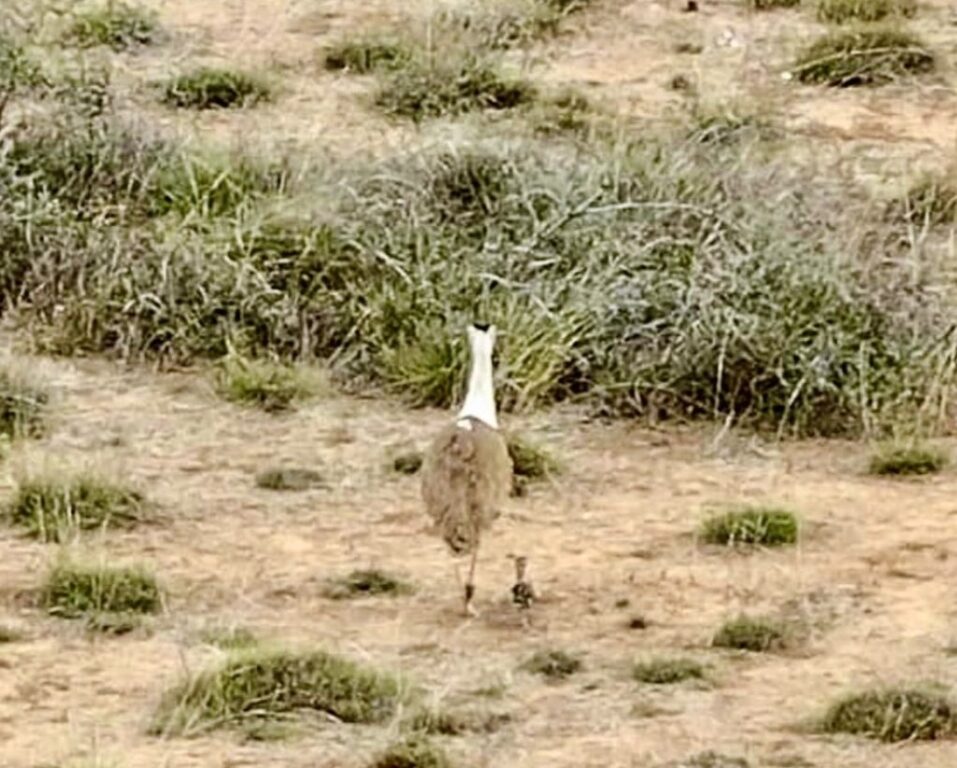
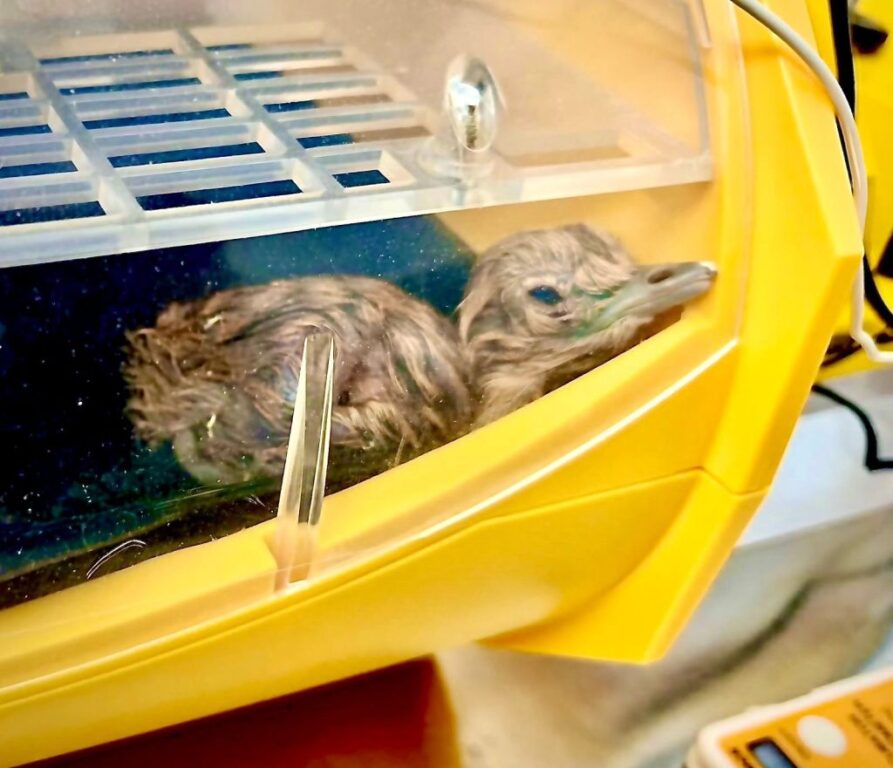
On March 26, the young chick hatched and was found being nurtured by its foster mother, demonstrating the potential of innovative conservation techniques to revive critically endangered species.
Captive Breeding Success in Rajasthan
Earlier this month, on March 13, Minister Bhupender Yadav reported the hatching of two new GIB chicks at the Conservation Breeding Centre in Rajasthan. One chick hatched through natural mating, while the other was the result of artificial insemination, bringing the total captive population to 70.
Some of this year’s captive-bred chicks are expected to be soft-released into the wild, signaling a challenging but promising new phase for Project GIB. The Minister lauded the efforts of Rajasthan Forest Department officials and wildlife scientists for their dedication.
Another milestone achieved in Project GIB!
— Bhupender Yadav (@byadavbjp) March 13, 2026
Project Great Indian Bustard entered into the fourth year’s of its captive breeding with two new chicks hatched at the Conservation Breeding Centre of Rajasthan this week, one from natural mating and the other from artificial… pic.twitter.com/s0UGu38RT5
A Milestone for India’s Conservation Journey
The successful hatching of the chick in Gujarat symbolizes a major step forward in reviving the Great Indian Bustard, a species that has faced severe population declines. Minister Yadav expressed optimism, emphasizing that India’s conservation journey is gaining momentum and praised the teamwork of scientists, field officers, and wildlife enthusiasts.
“This success reflects our commitment to leaving no stone unturned in ensuring the survival of the Great Indian Bustard,” he said, urging continued vigilance and support for the species’ long-term recovery.
In a rare sight, the GIB was observed taking a stroll with her newly hatched chick, inspiring hope for the future of this critically endangered species.
Read Also: India Becomes First Nation to Achieve Artificial Breeding of Great Indian Bustard