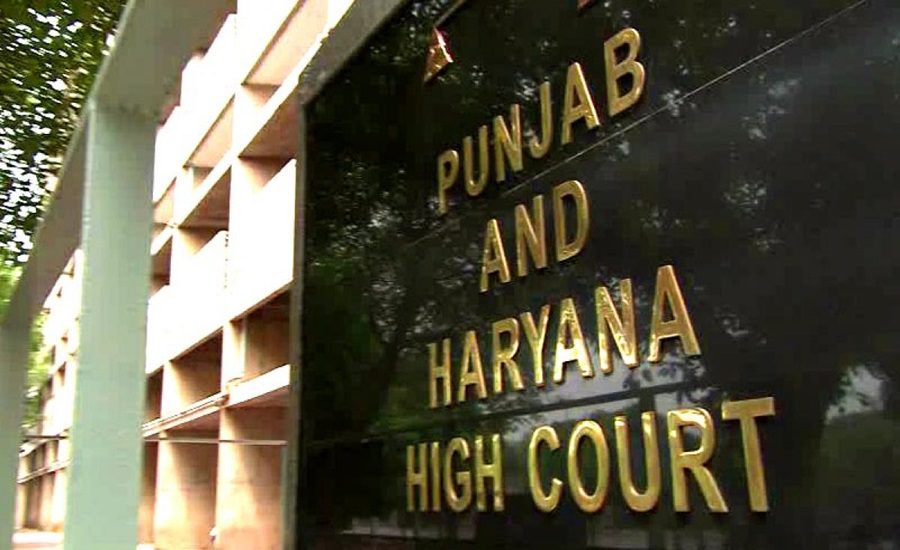
Chandigarh: The Punjab and Haryana High Court has refused to quash a First Information Report (FIR) lodged against a practising lawyer whose public address included references to “casteist goons,” terming the language potentially disruptive to public order and social harmony.
Justice Vinod S. Bhardwaj presided over the matter and emphasised that freedom of speech is not absolute when it risks inflaming divisions or prejudicing public peace.
Background of the Haryana Lawyer Casteist Goons Case
The legal dispute stems from a speech delivered in July 2025 at a public gathering held outside the Hisar Mini Secretariat, Haryana, concerning a murder case involving a woman from a Scheduled Caste community.
According to the criminal complaint, the lawyer — later identified as Rajat Kalsan — used pejorative language, including the phrase “casteist goons,” while accusing villagers and police officers of conspiring to falsely implicate an SC woman in the case.
The FIR registered against Kalsan alleged offences including promoting enmity between groups, intentionally insulting to provoke a breach of peace, and making statements likely to create public mischief.
High Court’s Ruling on Haryana Lawyer Casteist Goons Case
On reviewing the petition to quash the FIR, the High Court denied the relief, concluding that the language used was not incidental or neutral but “deliberate and repeated” to highlight caste dynamics and thereby had the potential to disturb public tranquillity.
Freedom of Speech and Public Order
The court reiterated that while freedom of speech is a fundamental right under Article 19(1)(a) of the Indian Constitution, it is subject to reasonable restrictions — particularly under Article 19(2) — such as maintaining public order, decency, and social harmony.
Justice Bhardwaj observed that unchecked use of caste-based descriptors has the capacity to incite hostility, damage social cohesion, and impair the liberties of law-abiding citizens. The court also noted that caste-based hate speech, if tolerated, not only wounds the dignity of targeted groups but can imperil national unity.
Context Matters: Audience, Setting, and Impact
A significant element of the High Court’s reasoning centred on contextual assessment — considering the audience, setting, and socio-emotional environment in which the speech was delivered. The court explained that words which might seem innocuous in isolation can become inflammatory when addressed to a crowd already emotionally invested in the case or grievances being discussed.
The High Court also highlighted that Kalsan started his address by acknowledging he would be accused of targeting a caste, which indicated a full awareness of the potential impact and charged nature of his speech. It declared that, in such contexts, emotive and caste-laden expressions carry a far greater risk of inflaming passions and polarising a public assembly, especially in rural or sensitive communal settings.
Line Between Legal Advocacy and Public Mobilisation
The court made a clear distinction between the role of an advocate within a courtroom and public mobilisation. According to the judgment:
> “An advocate’s job is to defend his client in a Court of Law and not on a public platform by arranging public protests.”
The ruling noted that by addressing a public gathering and later uploading the speech online, Kalsan had stepped outside his professional domain into broader social and political influence — effectively influencing public perception beyond the evidentiary confines of judicial proceedings.