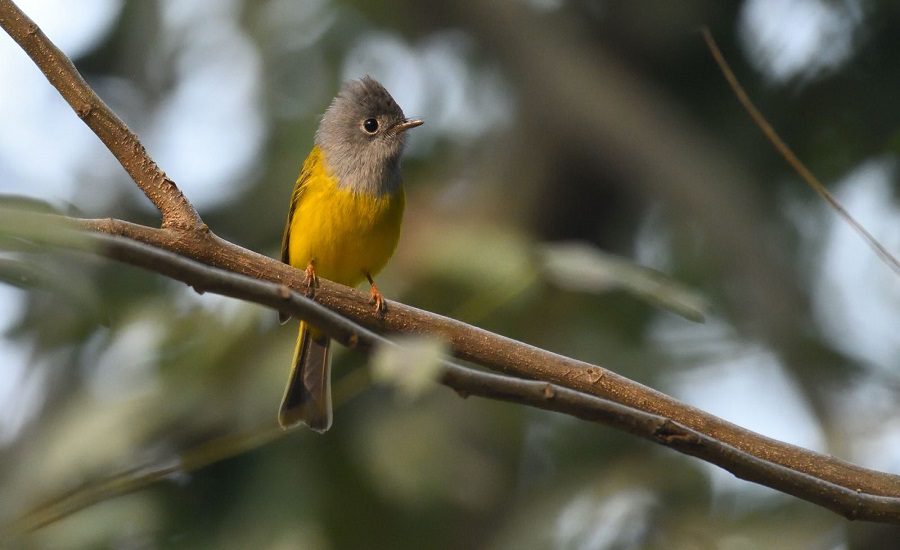
Patna: The scenic hills and forested landscapes of Rajgir, long known for attracting tourists from across India and abroad, are now increasingly drawing migratory birds from distant regions such as Europe, Russia, Siberia and Central Asia. Recent bird surveys conducted by the Forest Department have revealed a remarkable rise in both the number and diversity of migratory bird species visiting the Rajgir region during the winter season.
According to officials, the tranquil valleys, wetlands and forest fringes of Rajgir have created an ideal habitat for birds escaping harsh winters in their breeding grounds. This year’s winter season has recorded the highest-ever presence of migratory birds, filling the atmosphere with vibrant bird calls and activity.
Comprehensive Bird Surveys Highlight Rich Biodiversity
The findings come from systematic bird surveys conducted in and around the Rajgir Zoo Safari, Nature Safari and adjoining wildlife sanctuary areas. These surveys confirm that the Rajgir hill region supports an exceptionally rich and diverse avian population.
The survey was carried out in two phases. The first phase, conducted in February 2025, documented 109 bird species, including 29 migratory species. Among the key observations were several Central Asian migratory warblers such as the Sulphur-bellied Warbler, Yellow-browed Warbler and Tickell’s Leaf Warbler. The presence of endangered species like the Indian Vulture and Griffon Vulture further underscored Rajgir’s importance as a refuge for threatened birds.
Read also: Karnataka Launches Phase I of All-India Tiger Estimation 2026, 563 Tigers in State
Record Sightings in December Survey
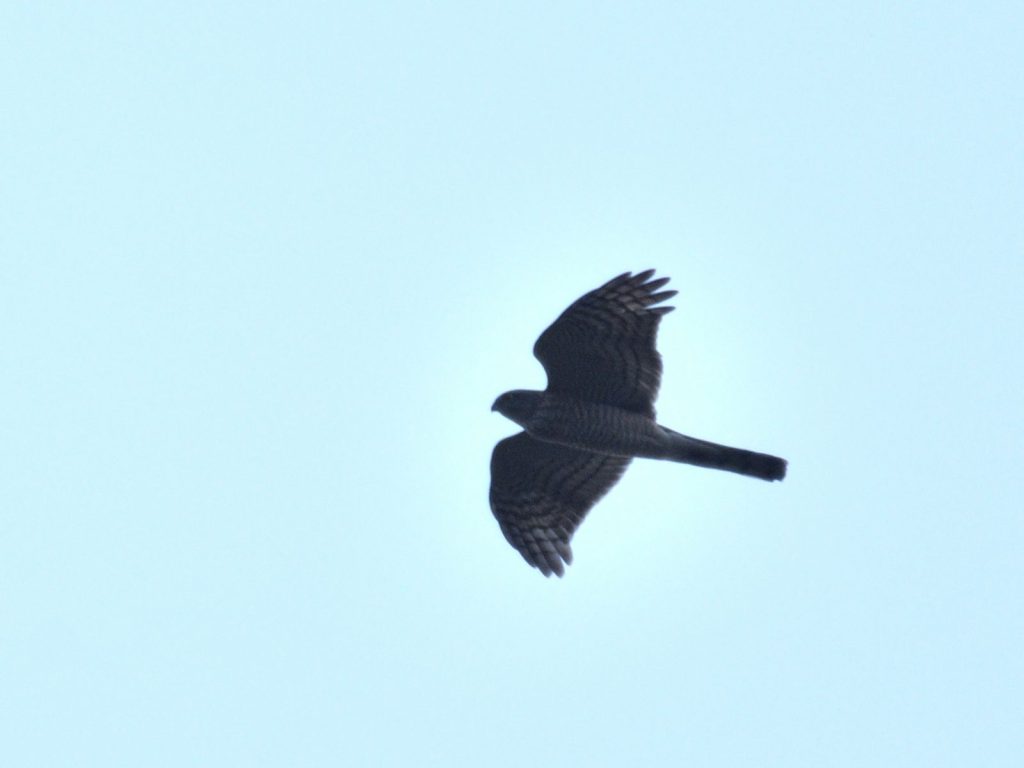
The second phase of the survey, conducted in December 2025 across the surrounding hill ranges, recorded an even higher diversity. A total of 135 bird species were identified, including 33 migratory birds. One of the most notable sightings was the Eurasian Sparrowhawk, recorded for the first time in Nalanda district, according to online bird records. This sighting confirms Rajgir’s connection to international migratory bird routes stretching from Europe and Central Asia to the Indian subcontinent.
Other significant winter migrants included the Scaly Thrush, Orange-headed Thrush, Tickell’s Thrush, Indian Pitta, Large Hawk-Cuckoo and Siberian Stonechat. The survey also documented several birds of prey such as the Himalayan Buzzard, Bonelli’s Eagle, Black-winged Kite, Crested Hawk Eagle and Crested Serpent Eagle, along with migratory raptors like the Long-legged Buzzard and Eurasian Kestrel.
High Warbler Diversity Reflects Healthy Ecosystem
Warbler diversity emerged as a major highlight of the survey. A total of 11 warbler species were recorded across paddy fields, wetlands, reed beds, scrublands and forest edges. These included the Booted Warbler, Paddyfield Warbler, Blyth’s Reed Warbler, Sulphur-bellied Warbler, Dusky Warbler, Yellow-browed Warbler, Tickell’s Leaf Warbler, Common Chiffchaff, Greenish Warbler, Hume’s Warbler and Clamorous Reed Warbler.
Experts say such diversity indicates high habitat heterogeneity, healthy insect populations and relatively low levels of chemical pollution in the region.
Birds from Siberia and the Tundra
The survey also confirmed the presence of the Pintail Snipe, a long-distance migratory bird that breeds in the wetlands and tundra regions of northern Russia and Siberia. During winter, it migrates to India, Sri Lanka and Southeast Asia. Rajgir’s moist forest patches and wetlands are proving to be highly suitable wintering grounds for this species.
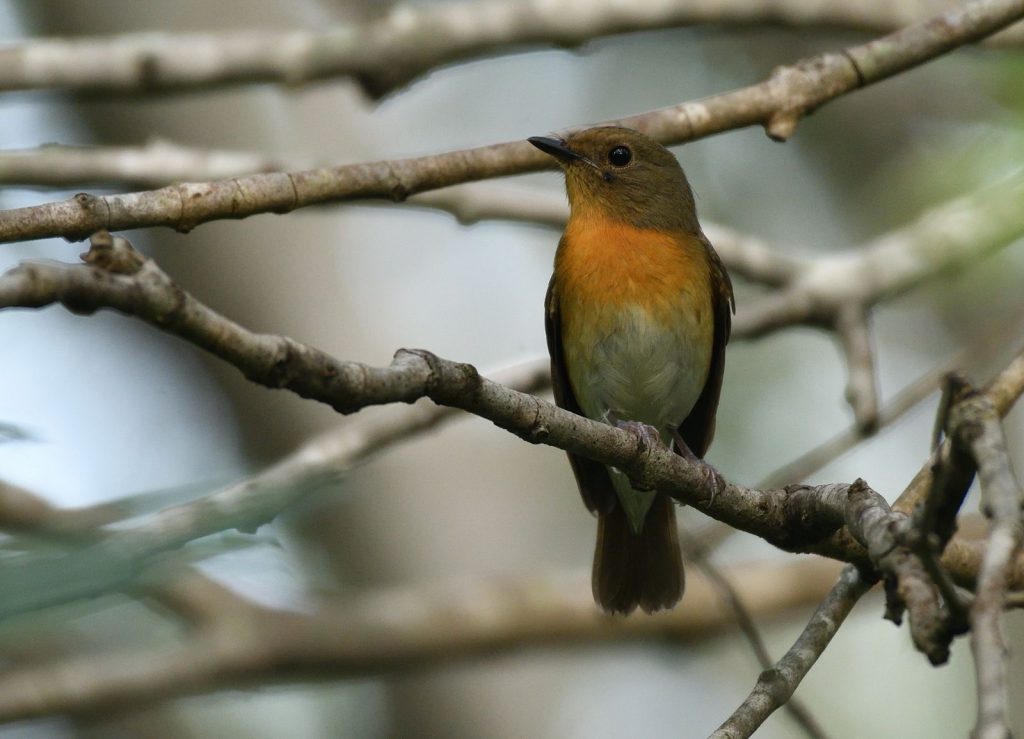
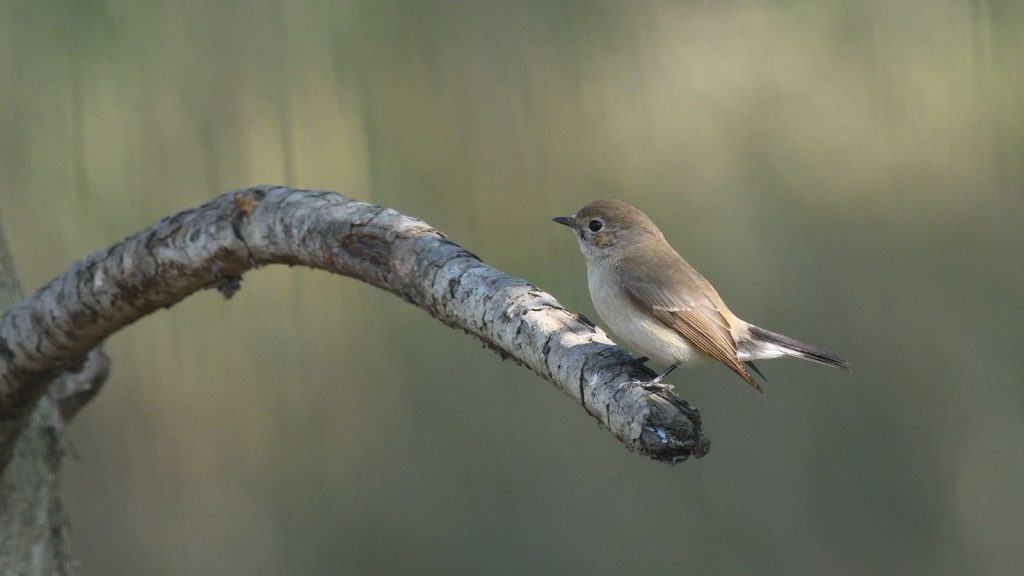
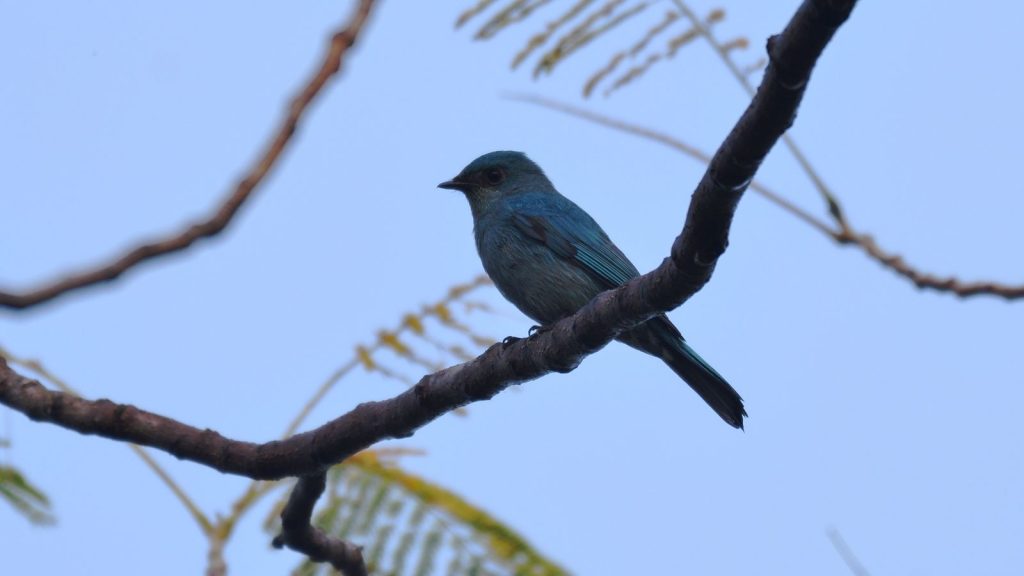
Several migratory flycatchers were also recorded, including Tickell’s Blue Flycatcher, Indian Paradise Flycatcher, Blue-throated Blue Flycatcher, Taiga Flycatcher and Red-breasted Flycatcher. These species are closely linked to Himalayan and Central Asian migratory systems and depend on healthy, undisturbed forest habitats.
Paddy Fields Supporting Migratory Birds
One particularly noteworthy species was the Paddyfield Warbler, a migratory bird associated with rice fields, marshy grasslands and irrigated agricultural wetlands. Its presence highlights the ecological value of traditional paddy cultivation, which provides critical habitat for sensitive migratory bird species.
Scientists note that records of such long-distance migrants breeding in Central Asia are valuable for monitoring changing migration patterns and assessing the potential impacts of climate change.
Forest Department’s Conservation Efforts Paying Off
Rajgir Zoo Safari Director Ram Sundar M said the findings underline the ecological significance of the Rajgir Wildlife Sanctuary as a safe winter refuge for both resident and migratory birds. He added that safari guides are being trained to identify migratory bird species so that visitors can be better informed about the region’s avian diversity.
Continuous soil and moisture conservation initiatives by the Forest Department have improved water retention in reservoirs, creating ideal habitat conditions for migratory birds. “Rajgir Zoo Safari is no longer focused only on mammals and large wildlife. The chirping and melodious calls of birds have added a new dimension to the natural beauty of this landscape,” he said.
With its growing reputation as a birding hotspot, Rajgir is steadily emerging as an important destination for nature lovers, ornithologists and eco-tourists alike.
Read also: Bihar Government to Launch New Bus Services from Patna to Rajgir and Kakolat from January 1