New Delhi: The Supreme Court Collegium recommends 7 additional judges of the Kerala High Court to be made permanent, marking a significant step in strengthening judicial capacity in the southern state. In its meeting held on February 12, 2026, the Collegium, headed by Chief Justice of India Surya Kant, approved the proposal to promote seven serving Additional Judges as Permanent Judges. This move is expected to enhance the court’s ability to handle its workload and reduce case pendency.
Details of Permanent Posting of Kerala High Court 7 Additional Judges
In its latest resolution, the Supreme Court Collegium approved the names of seven Additional Judges of the Kerala High Court for elevation to permanent judgeship.
They are:
- Justice Abdul Hakhim Mullappally Abdul Aziz
- Justice Syam Kumar Vadakke Mudavakkat
- Justice Harisankar Vijayan Menon
- Justice Manu Sreedharan Nair
- Justice Easwaran Subramani
- Justice Manoj Pulamby Madhavan
- Justice Marakkaparambil Bhargavan Snehalatha
These judges were originally appointed as additional judges and have since served on the bench, contributing to adjudication and judicial administration.
Their elevation will provide greater stability and experience within the High Court.
Importance of Kerala High Court 7 Additional Judges Permanent Posting
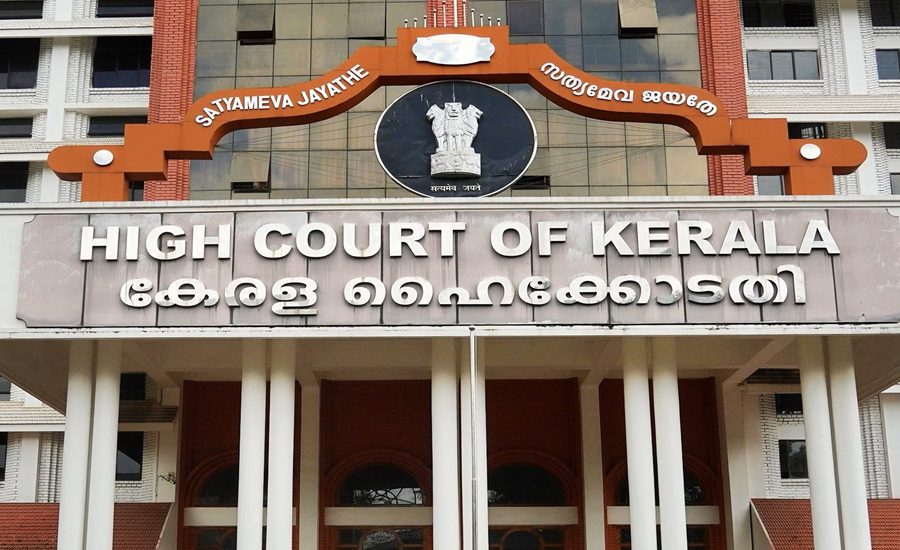
The High Court of Kerala currently operates with a sanctioned strength of judges that includes both permanent and additional judges. According to official court data, the court has a sanctioned strength of 35 Permanent Judges including the Chief Justice, and 12 Additional Judges.
Making additional judges permanent improves the court’s capacity to take on long-term case work and reduces administrative turnover that can result from short-term appointments. It also helps ensure consistency in legal interpretations and in delivering justice to litigants.
The Collegium System: How Judicial Appointments Work
In India, the appointment and elevation of High Court judges follows the Memorandum of Procedure (MoP), a formal framework agreed between the judiciary and the executive. The Supreme Court Collegium evaluates candidates based on merit, experience, judicial temperament, and case management record. The Chief Justice of the relevant High Court also plays a role in recommending names to the Collegium.
Once approved by the Collegium, appointments are processed by the Central Government and formalised through a warrant issued by the President of India under Article 217 of the Indian Constitution.