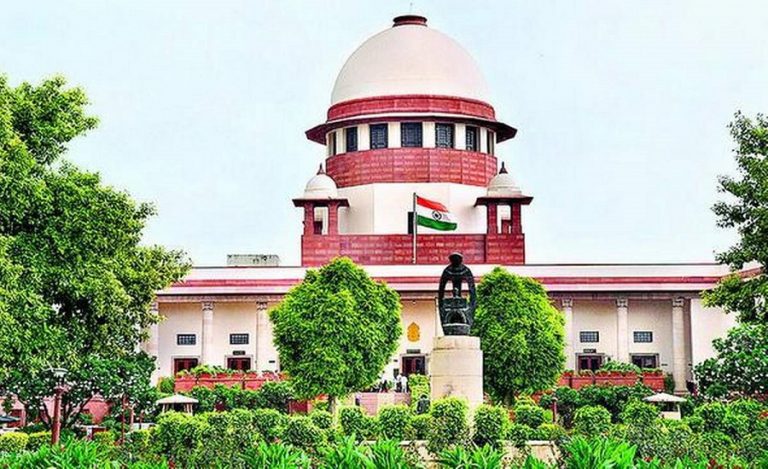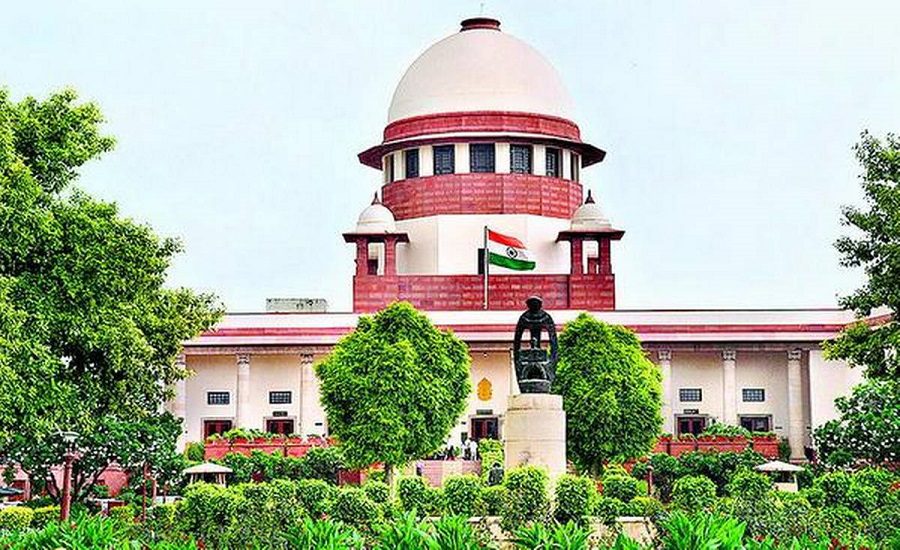
New Delhi: The Supreme Court raises concern on CCTV gaps in police stations after the Centre recently admitted shortcomings in surveillance systems across police stations.
During a hearing, the Supreme Court highlighted the urgent need to improve CCTV installation and monitoring nationwide. At the same time, the Court appreciated Kerala’s model, calling it a benchmark for effective implementation.
Background of the CCTV Gaps in Police Stations
The issue revolves around the implementation of CCTV cameras in police stations and investigative agencies across India.
Read also: Who Decides What Is ‘Fake’? Supreme Court to Decide Future of Government Fact-Checking Powers
The Supreme Court had earlier issued clear directions:
- Install CCTV cameras in all police stations
- Ensure proper recording and storage
- Maintain transparency in law enforcement
However, recent submissions by the Centre revealed that:
- Several states still have incomplete CCTV coverage
- Many systems are not functioning properly
- Data storage and maintenance remain weak
Centre Admits CCTV Gaps in Police Stations
The Central Government informed the Court that:
- CCTV installation is not uniform across states
- Technical and financial challenges are causing delays
- Monitoring systems are not fully standardized
These gaps raise concerns about:
- Custodial violence
- Lack of accountability
- Weak evidence recording
The Court stressed that CCTV systems are essential for protecting both citizens and police officials.
Why CCTV Surveillance in Police Stations Is Important
CCTV cameras in police stations help in multiple ways:
1. Prevents Custodial Abuse
Continuous recording reduces chances of misuse of power.
2. Ensures Transparency
Every action inside the police station can be monitored.
3. Helps in Evidence Collection
Recorded footage can be used in court proceedings.
4. Builds Public Trust
People feel safer when there is accountability.
Supreme Court Praises Kerala Model
The Supreme Court appreciated Kerala for its strong implementation.
What Makes Kerala Stand Out?
- High coverage of CCTV cameras in police stations
- Proper maintenance and functioning systems
- Adequate storage capacity for footage
- Regular monitoring mechanisms
The Court noted that Kerala’s approach can be used as a model for other states.
Court’s Strong Observations on CCTV Gaps in Police Stations
The Supreme Court made it clear that:
- CCTV installation is not optional
- States must comply fully with earlier orders
- Proper functioning is as important as installation
The Court emphasized:
Surveillance systems must work effectively, not just exist on paper.
Read also: UPSC Tightens DGP Appointment Rules, Makes Supreme Court Nod Mandatory for Delay by States