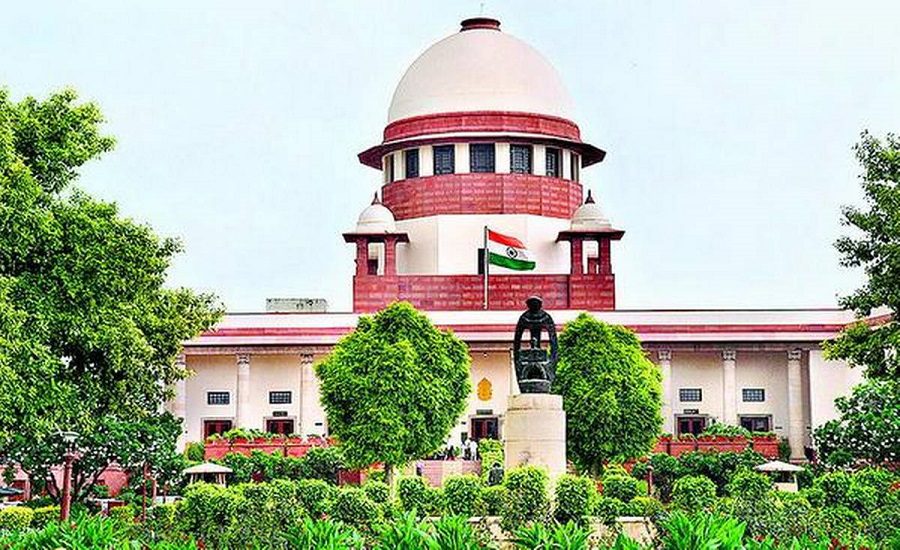
New Delhi: India’s rapid digital expansion has brought unprecedented convenience—but also a surge in sophisticated cyber-fraud. Over the past few months, a dangerous scam known as “Digital Arrest” has spread aggressively across several states, trapping citizens with fear-based extortion methods. Disturbed by the rising number of victims, the Supreme Court of India has issued strong directives for swift, coordinated nationwide action.
On 1 December 2025, the Supreme Court expressed deep concern over the growing menace. It ordered an urgent CBI-led investigation, along with mandatory compliance from state governments, central agencies, telecom authorities, and financial regulators. The court emphasized that this threat has now evolved into a national-level cybercrime emergency requiring immediate intervention.
What Is a Digital Arrest Scam?
The “Digital Arrest” scam is a modern form of cyber-extortion where fraudsters impersonate:
- CBI officers
- ED officials
- State Police
- DoT representatives
- Courts
- Cyber cells
Victims are contacted through video calls—often using fake uniforms, forged digital IDs, and AI-generated visual backgrounds of official offices.
They are falsely told as follows;
- Their SIM card is linked to a crime
- Their bank account is involved in money laundering
- Their parcel contains illegal items
- Their identity is being misused
The victim is then threatened with immediate arrest, passport seizure, or criminal charges unless they “cooperate.”
Read also: SC Flags ‘Fake Arrest’ Cyber Fraud Surge, Calls CBI for Unified Investigation
Cooperation often includes as follows;
- Staying on a live video call
- Sharing private information
- Making large digital payments
- Transferring money to “seizure accounts” controlled by the fraudsters
The scam has grown more sophisticated with deepfake videos, spoofed caller IDs, high-tech scripts, and coordinated international networks.
Supreme Court’s Observations on Digital Arrest Scams in India
A two-judge bench of the Supreme Court noted that cases have tripled in recent months, particularly in metro cities and Tier-2 towns. Many victims include students, professionals, senior citizens, and small business owners.
The Court stressed:
- India’s digital ecosystem must remain safe
- Cyber fraud networks have become highly organized
- Public fear and harassment is rising
- Victims are coerced into believing false accusations
- Existing policing systems must be strengthened urgently
The bench highlighted that fake investigation agencies are using advanced techniques to exploit the lack of digital awareness among citizens.
CBI to Lead a Multi-Agency, Nationwide Crackdown
The Supreme Court ordered that:
- CBI must investigate all digital arrest scam networks, including international fraud syndicates.
- State cybercrime units must coordinate closely with CBI.
- Inter-agency communication needs strengthening, especially between CBI, DoT, TRAI, RBI, state police, and intelligence units.
The CBI must be empowered with:
- Forensic tracking support
- Digital evidence collection tools
- International collaboration channels
- Real-time cyber investigation systems
The Court emphasized that the scam cannot be addressed by isolated state-level action—it requires centralized, nationwide intelligence sharing.
Telecom and SIM Regulation: DoT Ordered to Act
The Supreme Court also directed the Department of Telecommunications (DoT) to:
- Ensure strict SIM issuance procedures
- Identify loopholes allowing SIM misuse
- Strengthen KYC verification
- Disable suspicious SIMs faster
- Monitor telecom networks for spoofed calls
- Improve real-time detection systems
Fraudsters often operate through SIM cards obtained using fake identities and mule documents.
These SIMs are used for:
- WhatsApp calls
- Telegram chats
- Fraudulent OTP bypass
- Deepfake video extortion
- Voice cloning scams
The Court noted that every fake SIM card becomes a weapon in the hands of cybercriminals.
RBI’s Role: Crackdown on ‘Money Mule’ Bank Accounts
The Reserve Bank of India (RBI) informed the Court that it is working to:
- Strengthen suspicious transaction alerts
- Track mule accounts more aggressively
- Block fraudulent wallets and UPI IDs
- Enhance cross-bank fraud coordination
- Tighten KYC for new bank accounts
Implement “real-time freeze and reversal” norms
The Court directed RBI to create more foolproof digital banking safety systems, especially to protect vulnerable citizens.
The Supreme Court asked all major social media platforms to:
- Immediately remove fake content impersonating officials
- Track suspicious accounts linked to extortion
- Report cybercrime patterns to investigative agencies
- Improve identity verification for “official” accounts
Fake police/CBI/ED profiles on platforms like Facebook, Telegram, Instagram, and WhatsApp have played a huge role in strengthening scam networks.
Digital Arrest Scams in India: A National Crisis
Officials briefed the Court that:
- Digital arrest scam losses now amount to hundreds of crores
- International cybercrime hubs in Southeast Asia are involved
- Money is quickly routed through crypto and hawala
- Many fraudsters operate from shelters in foreign countries
- SIM cards and mule bank accounts are at the core of the ecosystem
The Court declared this scam a high-priority national security issue requiring continuous action.
Cyber police have confirmed that scammers follow military-style scripts and psychological manipulation techniques to break victims’ confidence.
Supreme Court’s Final Directions on Digital Arrest Scams in India
The Court has mandated:
- States must submit action-taken reports on cybercrime cases.
- CBI must lead coordinated investigations across India.
- DoT must strengthen SIM and telecom safety regulations.
- RBI must improve banking-level protections.
- Social media companies must remove fraudulent content.
- Public awareness must be increased nationwide.
Read also: Digital Arrest Fraud: Inside the Rising Cybercrime Targeting Elderly Victims in India