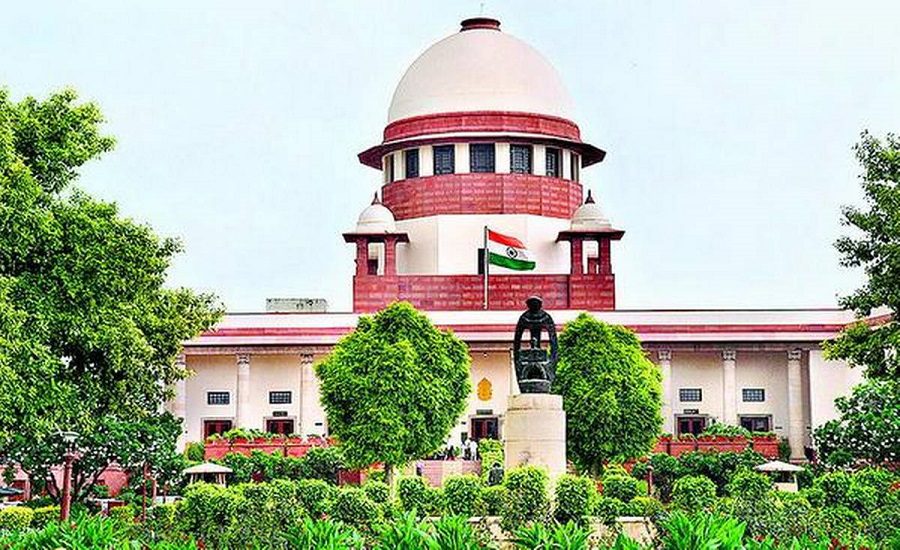
New Delhi: The Supreme Court of India has officially scheduled the final hearing on petitions challenging the Citizenship (Amendment) Act, 2019 (CAA) to begin from May 5, 2026, under the leadership of Chief Justice of India Surya Kant. In a significant judicial development, the apex court has separated the CAA challenges into two clusters — Assam–Tripura specific matters and pan-India petitions for a structured and efficient hearing. The move comes after more than six years of legal challenges and over 240 petitions questioning the constitutional validity of the law.
What Is the CAA and Why Are There Challenges?
The Citizenship (Amendment) Act 2019 was passed by the Indian Parliament to provide a pathway to Indian citizenship for non-Muslim refugees — including Hindus, Sikhs, Buddhists, Jains, Parsis, and Christians — fleeing religious persecution from Pakistan, Afghanistan, and Bangladesh, who entered India on or before December 31, 2014.
Read also: Explained: Why the Supreme Court Wants India to Digitize Land Records Using Blockchain
However, the law excludes Muslims, leading critics and petitioners to argue that it discriminates against citizens and residents on the basis of religion, violating constitutional guarantees of equality under Article 14 and fundamental rights.
Since its enactment, the CAA has sparked protests across India — including the historic Shaheen Bagh sit-in protests — and has generated longstanding legal questions about its constitutionality.
Background of Supreme Court CAA Final Hearing
Soon after the law was passed in December 2019, multiple petitions were filed in the Supreme Court challenging CAA’s constitutional basis. In December 2019, the Indian Union Muslim League was among the first to move to the apex court.
Interim Orders and Long Pending Hearings
Despite notices being issued in early 2020, the Supreme Court did not grant a stay on the law, and the matter remained pending for years. New Citizens Amendment Rules notified in 2024 further intensified legal scrutiny.
CJI Surya Kant’s Structured Hearing Plan
In the latest Supreme Court session before the bench headed by Chief Justice Surya Kant, senior advocates representing petitioners sought to file additional submissions, including new developments related to Section 6A of the Citizenship Act. The Chief Justice agreed to consider further inputs and emphasized that arguments must avoid repetition and follow a structured format for efficiency.
Supreme Court CAA Final Hearing: Key Directives from the Court
- Separate Hearing Groups: The bench has split the petitions into two main clusters:
(a) Pan-India challenges and
(b) Assam–Tripura specific petitions, reflecting distinct regional concerns. - Timeline for Hearing: The Court has fixed May 5, 2026 as the commencement of final hearings, with specific slots allotted for petitioners, respondents, and rejoinders.
- Nodal Counsel Responsibilities: Lawyers must identify which petitions fall under each group and submit structured lists to the Registry within two weeks, the bench ordered.
- Additional Submissions: Parties are allowed to file further written submissions within four weeks ahead of the hearing.
Why the Split Between Assam–Tripura and Pan-India Cases?
The Supreme Court’s decision to separate Assam and Tripura petitions from the rest of the country is significant because these states have unique historical and legal contexts — especially concerning illegal migration, land rights, local agreements, and border concerns with Bangladesh. This structural division allows the court to hear national constitutional issues first and address specific regional concerns on their own merits.
What Happens Next? Hearing Schedule and Expectations
As per the tentative schedule indicated by the court:
- May 5–6, 2026: Petitioners present final arguments.
- May 7, 2026: Respondents (including the Union Government) make their case.
- May 12, 2026: Parties may file rejoinder submissions or conclude arguments.
The Supreme Court’s timeline ensures that a conclusive and comprehensive hearing on the constitutional challenge to CAA is completed in a fixed time frame after years of extended litigation.
Potential Impact of the Supreme Court’s Decision
The Supreme Court’s rulings on the CAA’s constitutional challenges could have far-reaching implications — from how citizenship laws are interpreted in India, to the rights of minorities and refugees, and to how similar sensitivity issues are handled in future legislation. Critics argue that striking down CAA could affirm constitutional equality, while supporters contend that it protects persecuted minorities and aligns with humanitarian policy.
Regardless of the final verdict, the May 2026 hearings under CJI Surya Kant’s bench are expected to be landmark moments in the history of Indian constitutional jurisprudence.