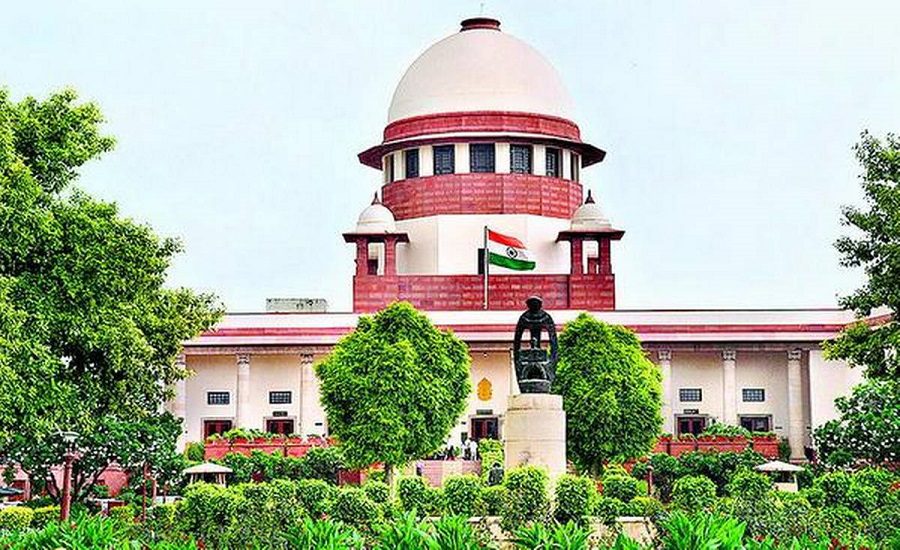
New Delhi: The Supreme Court of India has agreed to hear review petitions challenging its controversial three-year law practice rule for judicial service eligibility in an open court hearing scheduled for 26 February 2026.
The move marks an exceptional step in the judicial review process, as review petitions are usually decided in chambers without oral arguments. The primary focus of this judicial development is whether the mandatory three-year practice requirement for entry-level judiciary posts should continue or be reviewed.
What Is the 3-Year Practice Rule for Judicial Service
The three-year practice rule requires law graduates to have a minimum of three years of practice at the Bar to be eligible to sit for entry-level judicial service examinations such as Civil Judge (Junior Division).
This rule was reinstated by the Supreme Court in May 2025, reversing previous periods when fresh law graduates could directly apply for judicial jobs without prior practice.
This requirement aims to ensure that future judges have practical courtroom experience, which the Court found necessary to prepare them for the responsibilities of judicial office. Critics, however, argue that the rule unfairly excludes fresh graduates and those with relevant legal experience outside traditional litigation roles.
Importance of Open Court Hearing in 3-Year Practice Rule for Judicial Service Case
In an order dated 10 February 2026, a Bench comprising Chief Justice of India Surya Kant, Justice Augustine George Masih, and Justice K Vinod Chandran permitted the review petitions to be heard in open court. Ordinarily, review petitions in the Supreme Court are decided in chambers through written submissions, without in-court arguments.
The decision to open the hearing is noteworthy because it signals the Court’s willingness to engage in detailed oral discourse on the eligibility criteria and possible constitutional challenges raised by petitioners. Notice of the hearing has been issued to States and High Courts, expanding the scope of stakeholders involved.
Core Arguments in the Review Petitions
The review pleas argue that the three-year law practice prerequisite is arbitrary, unfair, and constitutionally questionable. Key grounds include:
- Violation of Articles 14 & 16 of the Constitution: Petitioners contend that the rule discriminates against fresh graduates and aspirants from disadvantaged backgrounds, undermining the constitutional guarantee of equality and equal opportunity.
- Lack of Empirical Basis: The petitions claim the Supreme Court did not rely on concrete data to justify that fresh law graduates perform poorly in judicial roles.
- Impact on Aspirants: The rule could affect candidates from economically weaker sections and social categories like SC/ST/OBC, who may not have access to extended legal practice opportunities.
- Training and Curriculum Concerns: Some arguments point out that law degrees already include internships and court exposure, and structured judicial training programs could compensate for prior practice.
Implications for Judicial Aspirants
If the review petitions succeed, the outcome could reshape the judicial recruitment landscape in India. A successful challenge might:
- Restore eligibility for fresh law graduates to appear in judicial exams
- Trigger amendments in High Court service rules across states
- Create a framework for phased implementation or alternative experience criteria
Conversely, if the Supreme Court upholds the 3-year rule, aspirants will need practical bar experience before applying for judicial service, making legal practice a de facto prerequisite for becoming a judge.
What Happens Next?
The open court hearing earmarked for 26 February 2026 will provide legal teams and petitioners the opportunity to present oral arguments, a process that adds transparency and public scrutiny to the debate. Stakeholders across the legal fraternity — including law students, advocates, and judiciary aspirants — will be watching closely.
Read also: Will India Finally Get Junk Food Warning Labels? Supreme Court Gives FSSAI Four-Week Deadline