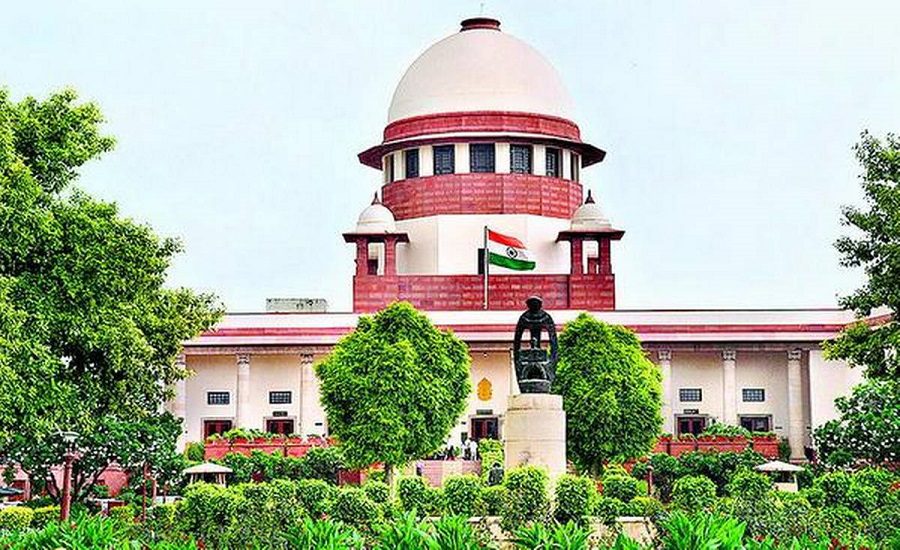
In a landmark judgment reinforcing administrative autonomy within the Indian Railways, the Hon’ble Supreme Court of India has quashed criminal proceedings against Smt. Praveen Gaur Dwivedi of the Indian Railway Traffic Service (IRTS), bringing closure to a decade-long legal battle.
The verdict, delivered on January 13, 2026, has been hailed by the IRTS Association as a historic victory for the Railways and for honest public servants discharging their duties. The Court decisively held that ticket checking is an executive function and that judicial authorities cannot overstep into administrative domains, reaffirming the constitutional principle of separation of powers.
Read More : Orchestrating Railway Logistics at Mahakumbh 2025
SUPREME COURT REAFFIRMS ADMINISTRATIVE AUTONOMY
The case dates back to September 30, 2016, when Dwivedi, then serving as Senior Divisional Commercial Manager (DCM) of Ambala Division, declined a request from the Special Railway Magistrate (SRM) to provide staff for a ticket-checking squad. She had clarified that there was no sanctioned post available and that staff could not be spared at that time. Citing provisions of the Railways Act, she maintained that ticket checking is inherently an executive function and that any SRM checks must be planned in coordination with the commercial department as per established rules.
Subsequently, criminal proceedings were initiated against her under Sections 186, 187, and 217 of the Indian Penal Code, alleging obstruction and disobedience of orders. Challenging what was termed as administrative overreach, Dwivedi, along with the General Manager of Northern Railway and the Railway Board, approached the Supreme Court through a Special Leave Petition.
In its ruling, the apex court observed that the magistrate had sought to act as “a judge in his own cause” and noted that Dwivedi had acted strictly within her official capacity. The judgment not only exonerates her but also sets a significant precedent that Special Railway Magistrates cannot use criminal law to enforce administrative demands.
The ruling restores institutional balance and strengthens protections for public officials performing their lawful duties.