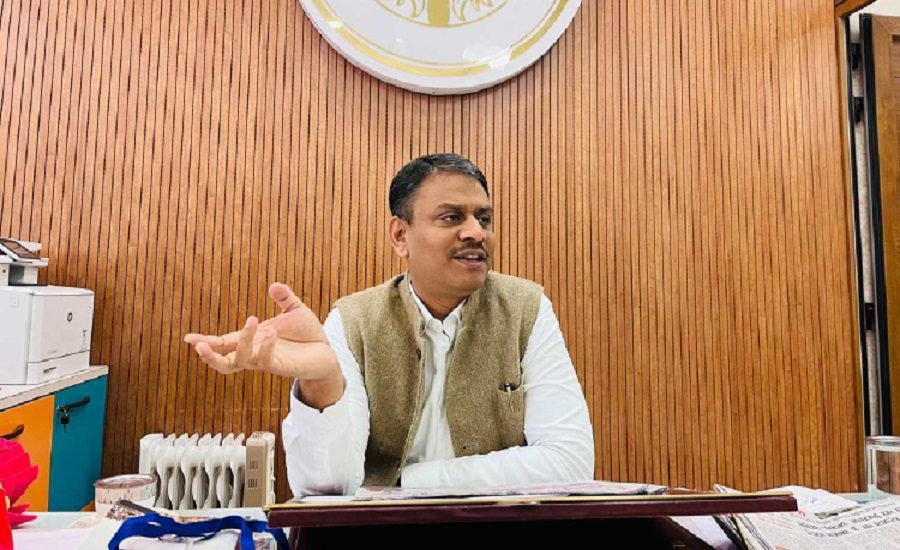
Varanasi: India’s ancient spiritual capital, Varanasi, is undergoing a historic Rs 60,000-crore development push, and Tamil IAS officer S Rajalingam (2009 batch from UP cadre), a native of Kadayanallur in Tenkasi district, is at the helm of this transformation. Serving as the Divisional Commissioner of Varanasi, Rajalingam has been instrumental in shaping the city’s infrastructural and urban modernization projects, working alongside a team of officials including Deputy Police Commissioner T Saravanan.
Journey from Tamil Nadu to Varanasi
A 2009-batch IAS officer, Rajalingam previously served as District Magistrate of Varanasi for over two and a half years, overseeing Prime Minister Narendra Modi’s visits and key city projects. He currently heads Varanasi Smart City Limited.
Tracing his personal journey, he shared that he grew up in Tenkasi, studied engineering in Tiruchy, and worked in Hosur before joining the civil services. Initially selected for the IPS, he switched to IAS, citing a mismatch between policing and his temperament. “In the IAS, I can make policy decisions that change millions of lives,” he said, emphasizing that his Tamil identity did not influence his posting to Varanasi.
Massive Infrastructure Overhaul
Varanasi is witnessing transformative upgrades across multiple sectors, guided by a Comprehensive Mobility Plan –
Transportation and Connectivity:
- Construction of a six-lane Ring Road and new bridges across the Ganga reduced airport-to-city travel from three hours to 40 minutes.
- Major roads linking the Ring Road to the city are being widened into four-lane corridors.
- Seven Vande Bharat trains now operate in the city; railway stations can handle up to one lakh passengers per day.
- Air traffic increased from 10 to 52 flights per day.
Cargo port at Ramnagar and inland waterway dredging strengthen trade; luxury cruise services expanded to boost tourism.
Tourism and Pilgrimage Projects –
The Rs 800-crore ropeway, India’s first public transport ropeway, will connect Varanasi railway station to Kashi Vishwanath Temple, cutting travel time from one hour to 15 minutes. Expected operational by May 2026, the fare is projected at Rs 50–100.
Kashi Vishwanath Corridor has dramatically increased daily footfall from 5,000 to 1.5–2 lakh visitors, with each pilgrim spending an estimated Rs 5,000, benefiting local handicrafts, textiles, hotels, and small businesses.
Economic and Development Impact
- Completed Projects: Rs 40,000 crore worth of projects, including transportation, bridges, and urban infrastructure.
- Ongoing and Upcoming Projects: Remaining Rs 20,000 crore are under various stages of development, with completion expected by 2030.
- Urban Modernization: Emphasis on smart city solutions, enhanced civic amenities, and infrastructure expansion to support rapid growth.
Rajalingam highlighted the holistic approach of combining urban modernization with heritage conservation and sustainable economic growth, positioning Varanasi as both a spiritual and modern urban hub.
About Him
S. Rajalingam hails from Thiruvallur, Tamil Nadu. He has built a strong reputation in the Uttar Pradesh cadre through his impactful administrative work. With a B.Tech in Chemical Engineering, he is known for grounded, people-centric governance.
He gained prominence during his tenure as District Magistrate of Varanasi, where he oversaw major responsibilities around events like the Kashi Tamil Sangamam and implemented strict accountability measures through proactive inspections. He was later elevated to Divisional Commissioner of Varanasi, also serving as Chairman of Varanasi Smart City, where he guided large-scale development and transformation projects in the culturally significant city.
Recognized for his transparent, efficient, and citizen-focused administration, Rajalingam is widely respected for ensuring government schemes reach the public effectively and for driving development initiatives in Varanasi.
Read also: IAS Officer Santosh Verma Sparks Fresh Controversy Over Viral Remarks Echoing MP Chandrashekhar