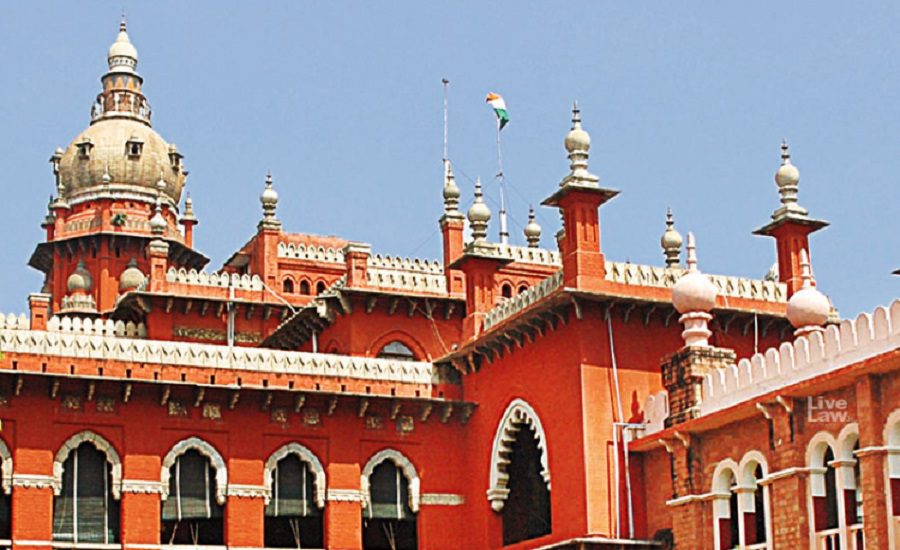
Madras: The Madras High Court’s Madurai Bench reserved its verdict in the highly contentious Thiruparankundram lamp lighting case, a dispute involving the lighting of the Karthigai Deepam on a stone pillar (referred to as Deepathoon) on Thiruparankundram Hill, Madurai district, Tamil Nadu.
At the heart of the controversy are competing claims from Hindu groups seeking to uphold traditional lamp-lighting practices and government authorities, temple custodians, and other parties challenging the historical and legal basis of such rituals. The legal battle has drawn religious sentiments, political interventions, and questions about heritage ownership into the spotlight.
Background of Thiruparankundram Lamp Lighting Case
Karthigai Deepam is a major Tamil festival of lights celebrated during the Tamil month of Karthigai (November–December), symbolising spiritual illumination and the victory of light over darkness. Lamp-lighting atop hillocks during this period is a long-standing Tamil tradition.
Thiruparankundram Hill, located in the historic city of Madurai, is a multi-religious sacred site. It hosts:
- the Arulmigu Subramania Swamy Temple at its base,
- the Sikkandar Badhusha Dargah near its summit, and
- A mysterious ancient stone pillar or Deepathoon, which has become the focus of the current dispute.
The Single Judge Order: Spark of Legal Battle in Thiruparankundram Lamp Lighting Case
On 1 December 2025, a single-judge bench of the Madras High Court, presided by Justice G. R. Swaminathan, ruled that devotees could light the ceremonial Karthigai Deepam lamp on the ancient pillar (Deepathoon) atop Thiruparankundram Hill.
The court found that if a pillar exists for the purpose of lighting lamps, then its historical purpose should not be denied. This judgment quashed a previous decision by the temple executive officer who had restricted lamp lighting to a different traditional location near the Ucchi Pillaiyar shrine.
This ruling triggered the current legal appeals, as state authorities, temple administrators, and other stakeholders questioned both the legal basis of the decision and its implications.
Arguments Before the Division Bench
On 18 December 2025, the Division Bench of Justices G. Jayachandran and K. K. Ramakrishnan concluded oral arguments from all parties and reserved judgment on the appeals.
State Government’s Case
Represented by Advocate General P. S. Raman, the Tamil Nadu government strongly contested the single-judge’s order.
Key contentions included:
- No historical, archaeological, or documentary evidence exists to show that the stone pillar was ever used to light lamps or traditionally recognised as Deepathoon.
- Records from a 1920 district judge indicate that the only structure on the site was a dargah, not a lamp pillar.
- The petitioner should not have sought relief through writ jurisdiction under Article 226 of the Constitution; issues relating to temple customs and traditional practices should instead be addressed through statutory remedies under Section 63(e) of the Tamil Nadu Hindu Religious and Charitable Endowments Act.
- Allowing a new practice through judicial fiat would alter longstanding religious traditions and raise broader questions of administrative authority.
Other Parties’ Stances
The Wakf Board and dargah representatives argued that the stone pillar belongs to the dargah and any ownership or usage disputes should be adjudicated in a civil court rather than by invoking writ jurisdiction.
Police authorities cautioned that enforcing the lamp-lighting order could disturb public peace and order.
The HR&CE Department and temple administration maintained that lamp-lighting practices should follow established Agama rules and questioned the authenticity of the pillar as a Deepathoon.
Petitioners’ Response
Petitioners seeking to light the lamp on the hilltop argued that the objections raised by the state and others were delaying rightful implementation of the single-judge order, asserting religious rights and cultural traditions.
Legal Questions at the Core
The High Court’s reserved judgment will need to clarify several sensitive legal points:
- 1. Historical legitimacy of the Deepathoon as a lamp-lighting structure.
- 2. Whether writ jurisdiction was appropriately invoked to enforce religious practice.
- 3. The interplay between religious customs, temple administration statute, and secular governance.
- 4. Whether a single-judge decision can redefine longstanding traditional practices in absence of conclusive evidence.
Read also: From Kautilya to Constitution: Madras HC Ushers New Era of Overseas Indians Protection Policy