Mumbai: The Union Budget 2026-27, presented by Finance Minister Nirmala Sitharaman on Sunday, marked several historic firsts: the first-ever weekend budget and the first to be presented from the newly inaugurated Kartavya Bhavan. This was the Finance Minister’s ninth consecutive budget and continued to focus on fiscal consolidation, infrastructure-led growth, financial market reforms, and long-term economic stability, aligning with the government’s vision of Viksit Bharat 2047.
NSE MD Welcomes Fiscal Consolidation and Growth Focus
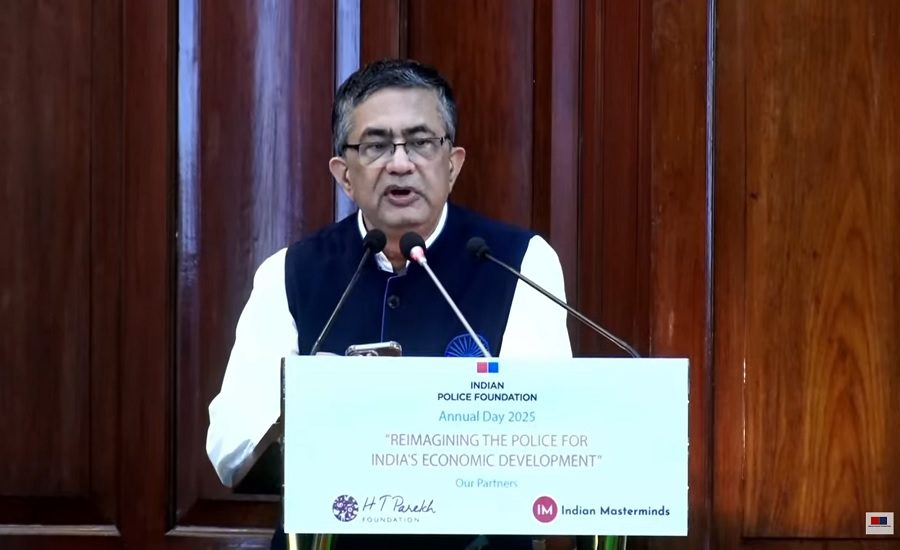
Reacting to the budget, Ashishkumar Chauhan, Managing Director and CEO of the National Stock Exchange (NSE), said the budget “reinforces the message that strong growth and fiscal discipline can advance together.”
He highlighted key fiscal measures:
- Fiscal deficit projected to ease from 4.4% to 4.3% of GDP
- Debt-to-GDP ratio expected to decline from 56.1% to 55.6%, on track towards the medium-term target of around 50%
Mr Chauhan emphasised that these measures signal macroeconomic stability and policy credibility, providing assurance to both domestic and global investors.
Infrastructure Spending and Investment Push
Commenting on infrastructure, Chauhan said:
- Public capital expenditure rises ~12% to ₹12.2 lakh crore
- Budget aims to crowd in private investment, enhance productivity, and reduce logistics costs
- Asset monetisation through REITs and InVITs will support efficient capital deployment and long-term infrastructure financing
He noted that infrastructure remains the central growth lever of the budget, driving sustainable economic expansion.
Financial Sector Reforms and Market Deepening
On financial market reforms, Mr Chauhan highlighted:
- Higher Securities Transaction Tax on derivatives to curb excessive speculation
- PSU asset monetisation via REITs
- Introduction of bond index derivatives and a stronger corporate bond market framework
- Emphasis on municipal bonds to strengthen urban financing
- Regulatory reforms in foreign exchange and capital markets to enhance ease of doing business
Mr Chauhan said these reforms would deepen capital markets, improve investor confidence, and integrate India further with global financial flows.
Boosting Global Capital and NRI Participation
Mr Chauhan welcomed initiatives to attract global and diaspora capital:
- Direct portfolio access for NRIs to Indian equities
- GIFT City income exemption limit extended from 10 to 20 years, increasing attractiveness for foreign investors
These steps are aimed at mobilising long-term capital and supporting India’s growth trajectory.
Focus on Future-Oriented Sectors
The Union Budget 2026–27 maintains a strong focus on emerging and high-growth sectors:
- Artificial Intelligence (AI)
- Semiconductors and advanced manufacturing
- Biopharma and pharmaceuticals
- Textiles and tourism
Mr Chauhan emphasised that sustained public investment, market reforms, and fiscal consolidation provide a robust foundation for stable economic growth and long-term resilience.