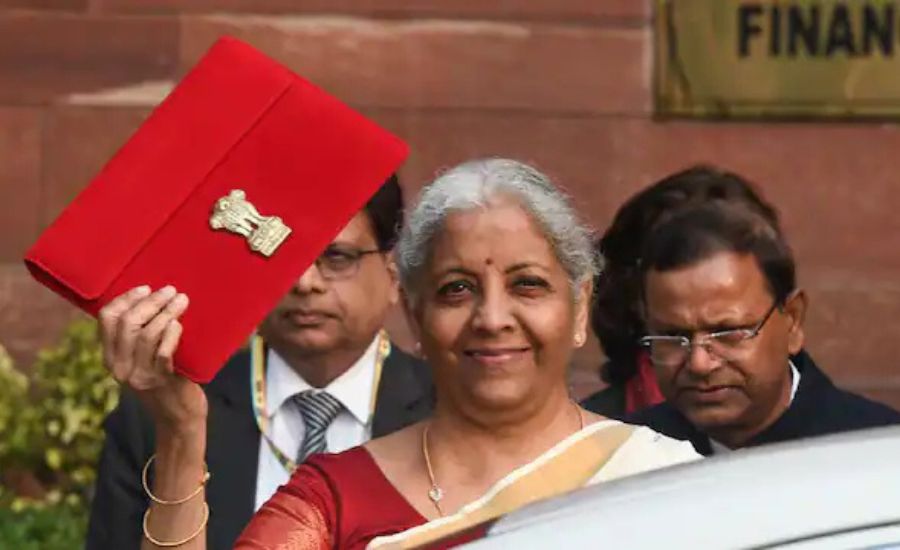
New Delhi: Union Finance Minister Ms Nirmala Sitharaman presented the Union Budget 2026-27 in Parliament, emphasizing a threefold approach, or “3 Kartavyas”, to drive India’s reform agenda and build a Viksit Bharat. The budget, described as a Yuva Shakti-driven Budget, prioritizes sustainable economic growth, capacity building, and inclusive development under the vision of Sabka Sath, Sabka Vikas.
Three Kartavyas for a Viksit Bharat
Kartavya 1: Accelerating and Sustaining Economic Growth
The Finance Minister highlighted the need to boost productivity, competitiveness, and resilience in the face of volatile global dynamics. Six strategic interventions were proposed:
- Scaling up manufacturing in seven frontier sectors
- Rejuvenating legacy industrial sectors
- Creating “Champion MSMEs”
- Strengthening infrastructure development
- Ensuring long-term energy security
- Developing City Economic Regions
Ms Sitharaman emphasized that a robust financial sector, structural reforms, and adoption of cutting-edge technologies such as AI would serve as multipliers for better governance and sustained growth.
Kartavya 2: Fulfilling Aspirations and Building Capacity
The second Kartavya focuses on making citizens strong partners in India’s growth story. The Finance Minister highlighted initiatives for:
- Supporting youth and skill development
- Promoting the Services Sector as a driver of employment, exports, and economic growth
- Establishing a High-Powered ‘Education to Employment and Enterprise’ Standing Committee to guide policy and optimize India’s service industry potential
- Assessing the impact of emerging technologies, including AI, on jobs and skills
The goal is to make India a global leader in services with a 10% share of the global market by 2047.
Kartavya 3: Inclusive Growth under Sabka Sath, Sabka Vikas
The third Kartavya focuses on equitable development and targeted interventions to uplift all segments of society:
- Increasing farmer incomes, particularly for small and marginal farmers, through enhanced productivity and entrepreneurship
- Empowering Divyangjan through access to livelihood opportunities, training, and assistive devices
- Supporting the vulnerable with access to mental health and trauma care
- Accelerating development and employment in Purvodaya States and North-East regions
Yuva Shakti-Driven Budget with Citizen-Centric Reforms
Ms Sitharaman described this as the first budget prepared in Kartavya Bhawan, inspired by ideas shared during the Viksit Bharat Young Leaders Dialogue 2026. She emphasized that India’s economic stability, fiscal discipline, and reform-oriented governance over the past 12 years have driven a high growth trajectory of around 7%, lifted millions out of poverty, and improved household incomes.
The Finance Minister reaffirmed that India will continue to balance self-reliance, global integration, and inclusive growth, leveraging technology, public investment, and policy reforms to accelerate employment generation, agricultural productivity, and citizens’ access to essential services.
Ongoing Reform Momentum
Ms Sitharaman highlighted the 350+ reforms rolled out following the Prime Minister’s Independence Day 2025 announcement, which include:
- GST simplification
- Labour Code notifications
- Rationalization of Quality Control Orders
- Deregulation and reduced compliance burden, in coordination with state governments
These reforms, she stated, are key to sustaining momentum toward fulfilling the three Kartavyas.
Vision for a Viksit Bharat
The Finance Minister concluded by emphasizing the government’s commitment to turning aspiration into achievement and ensuring that the dividends of growth reach farmers, women, youth, SC/ST communities, and other vulnerable groups. She reiterated that the 2026-27 budget is designed to strengthen India’s position as a resilient, inclusive, and high-growth economy, guided by innovation, citizen participation, and strategic reforms.