New Delhi: In a first-of-its-kind initiative, the Union Government has introduced “administrative scorecards” to assess the performance of top-ranking civil servants, including Secretaries in the central government. The move aims to replace the earlier subjective evaluation system with a quantitative, performance-linked framework, designed to incentivize the bureaucracy—often referred to as the “Iron Frame”—to be more innovative, efficient, and accountable.
The new system evaluates officers and their departments on a comprehensive set of parameters, with marks awarded out of 100, including provisions for negative and discretionary marks.
First Scorecards Already Sent
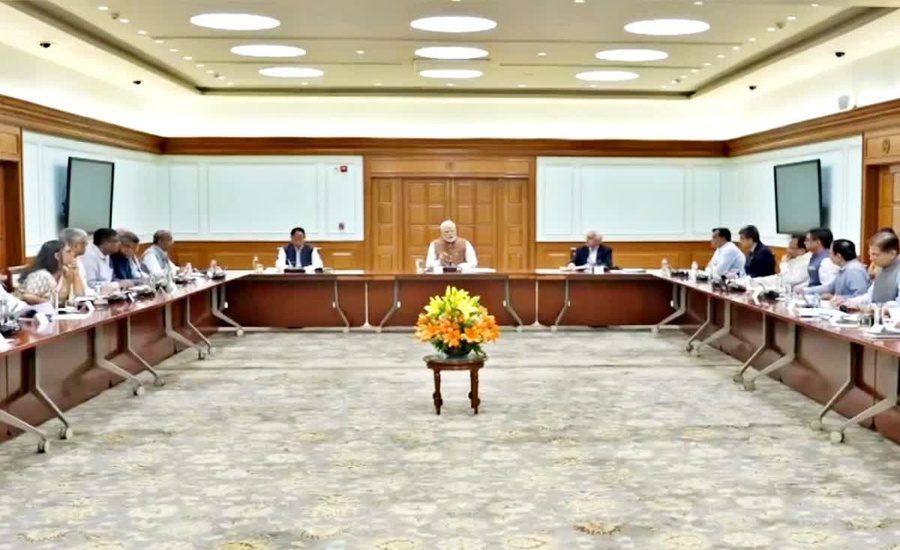
According to officials, Cabinet Secretary Dr T V Somanathan sent the first set of these administrative scorecards for September, October, and November 2025 to the Secretaries in the first week of January 2026. This underscores the government’s seriousness in ensuring timely and measurable performance reviews.
A senior official noted that this move is aimed at fast-tracking approvals, permissions, and grants for citizens, businesses, and startups by holding bureaucrats accountable for delays.
Evaluation Parameters: Objective and Rigorous
The scorecards assess civil servants on dozens of criteria, including both individual and departmental performance. The evaluation framework includes:
- File Disposal (20 marks): The highest weightage is given to timely file processing.
- Output and Activities (15 marks): Evaluates overall departmental performance.
- Expenditure on Schemes and Capital Projects (15 marks): Efficiency in fund utilization.
Cabinet Note Preparation
- Timely Completion of Projects Monitored by the Project Monitoring Group (PMG)
- Public Grievance Redressal
- Prompt Clearance of Bills by PAO and CCA
Negative and Discretionary Marks
To ensure accountability, the scorecard includes 12 negative marks for lapses such as:
- Excessive spending on foreign trips or events
- Prolonged pendency of files at the secretary level and above
- Delayed payments to Micro, Small, and Medium Enterprises (MSMEs)
Additionally, discretionary marks (5 marks) allow the Cabinet Secretary to recognize exceptional contributions or outstanding work by a secretary or their department.
Aims of the New System
The initiative is designed to:
- Replace subjective evaluation with objective, measurable criteria
- Encourage the bureaucracy to adopt innovation and agility in governance
- Reduce administrative delays affecting citizens, startups, and businesses
- Reward merit while penalizing inefficiency
According to media reports, this framework was developed in response to Prime Minister Narendra Modi’s repeated emphasis on removing bottlenecks and delays at various levels of government.
What This Means for Bureaucrats
The new system is expected to bring a culture of accountability and performance orientation in the upper echelons of the civil service. With file disposal, project execution, and public service delivery being closely monitored, bureaucrats may now face direct consequences for delays, while exceptional work can be formally recognized.
The Cabinet Secretariat’s rollout of these administrative scorecards marks a historic shift in bureaucratic evaluation, setting a precedent for performance-based accountability in India’s central administration.