India’s annual Swachh Survekshan, the world’s largest urban cleanliness survey, is more than a ranking of cities – it’s a nationwide effort to evaluate and improve sanitation, waste management, and public participation. Launched in 2016 under the Swachh Bharat Mission, the 2024–25 edition, announced on July 17, 2025, by the Ministry of Housing and Urban Affairs (MoHUA), assessed over 4,500 cities across multiple parameters. This year’s results, presented by President Droupadi Murmu at Vigyan Bhawan, New Delhi, highlight India’s progress in urban sanitation while underscoring the challenges and opportunities ahead.
Watch The Full VIdeo Here:
Top Performers of 2024–25
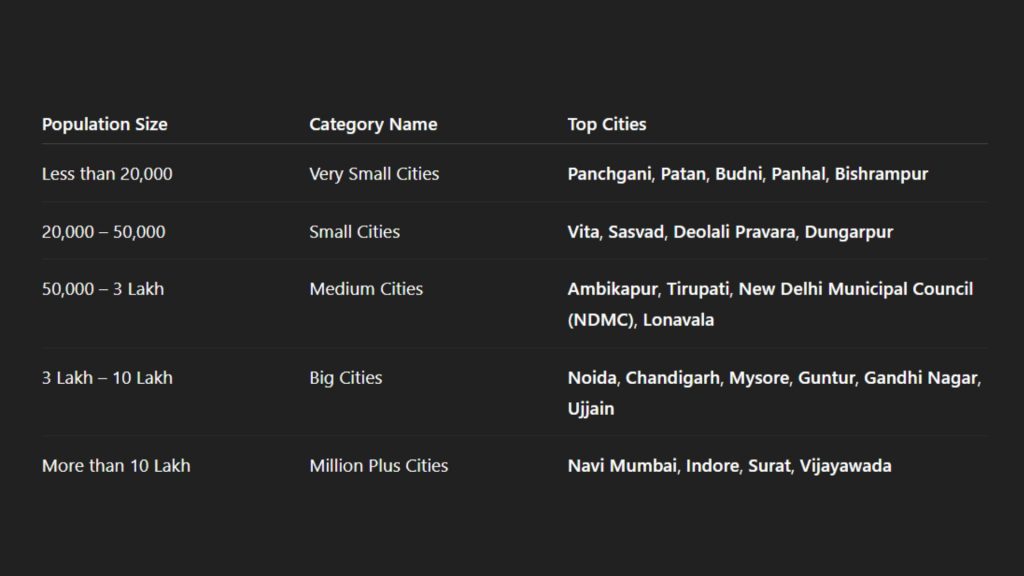
The 2024–25 Swachh Survekshan introduced a refined framework, categorizing cities by population size to ensure fair competition. Indore, Surat, and Navi Mumbai secured top spots in the “Million Plus Cities” category (population over 10 lakh), with Indore claiming the title of India’s cleanest city for the eighth consecutive year. Ahmedabad emerged as a standout, earning the title of the cleanest big city (3–10 lakh population), followed by Bhopal and Lucknow. In smaller population categories, cities like Panchgani, Vita, and New Delhi Municipal Council (NDMC) excelled, demonstrating that size is no barrier to effective cleanliness practices.
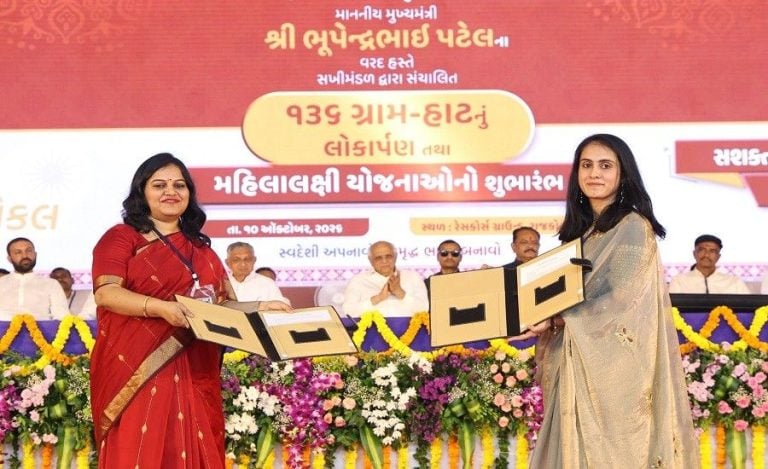
Prayagraj was recognised as the cleanest Ganga town, with additional accolades for its waste management during the Mahakumbh 2025, an event that saw an estimated 660 million attendees. Maharashtra was named the best-performing state in the large population category, while Chandigarh led among smaller states. The introduction of the “Super Swachh League” honored consistently high-performing cities like Indore, Surat, Navi Mumbai, and Pune, which have ranked in the top three in their categories for at least two of the past three years.
Evolution of Swachh Survekshan
Since its inception in 2016 with just 73 cities, Swachh Survekshan has grown into a massive, citizen-driven movement. By 2020, it covered 4,242 cities, and in 2024–25, it evaluated 4,589 urban centers. Initially focused on basic sanitation, the survey has evolved to emphasize circular economy principles, waste-to-wealth initiatives, and sustainability. In 2016, Mysuru topped the rankings, but from 2017 to 2022, Indore dominated as the cleanest city. In 2023, Indore and Surat shared the top spot, a milestone reflecting Gujarat’s rising focus on sanitation. The 2024–25 edition’s expanded categories ensure recognition for cities of all sizes, fostering inclusivity.
How the Rankings Are Determined
The Swachh Survekshan methodology, executed by the Quality Council of India (QCI), is rigorous and multifaceted, relying on four key components:
- Service Level Progress (40%): This evaluates municipal systems, including door-to-door waste collection, segregation, composting, and landfill remediation. Cities are assessed on their ability to manage solid waste and maintain public toilets.
- Citizen Feedback (30%): Over 12 crore citizens participated in 2024–25, providing feedback through apps, the MyGov portal, and offline surveys. This component reflects public satisfaction and engagement with cleanliness efforts.
- Direct Observation (20%): Survey teams conduct field visits to verify ground realities, ensuring data accuracy. Experts note that on-site inspections remain critical for validating municipal claims.
- Certifications (10%): Cities earn points for achieving standards like Open Defecation Free (ODF++), Garbage Free City, and Water+ (for wastewater management). Over 3,000 cities have achieved ODF+ status, with 64 earning Water+ certification.
This comprehensive approach ensures transparency and fairness, balancing municipal performance with public input.
Lessons from the Leaders: The Indore Model
Indore’s consistent success offers a blueprint for urban cleanliness. The city has transformed sanitation into a cultural norm through:
- 100% Door-to-Door Waste Collection: Every household and commercial establishment participates, with waste collected daily.
- Source Segregation: Residents separate wet and dry waste, supported by separate dustbins in most homes, streamlining disposal.
- 24/7 Control Room: A dedicated system tracks complaints and monitors waste collection, ensuring efficiency.
- Waste-to-Wealth Initiatives: Indore’s Bio-CNG plant converts organic waste into fuel, while plastic waste is transformed into tiles and other products.
- Public Participation: Residents actively engage in cleanliness drives, post updates on social media, and maintain a strong civic sense. An IAS officer noted that Indore’s citizens view themselves as stakeholders in the cleanliness mission.
This model, driven by technology, community involvement, and municipal leadership, is being replicated in 200 cities. Surat’s AI-based waste monitoring and Navi Mumbai’s composting plants further illustrate how innovation and public engagement elevate rankings.
Challenges and Gaps
Despite progress, significant challenges persist:
- Slums and Peri-Urban Areas: Sanitation infrastructure in informal settlements remains inadequate, with limited access to public toilets and waste collection.
- Manual Scavenging: Some cities still rely on manual scavenging, a practice that undermines dignity and safety.
- Hazardous Waste Disposal: Biomedical and hazardous waste management is inconsistent, with many cities dumping waste in landfills or burning it, contributing to soil degradation and air pollution.
- Public Behavior: Open urination, littering, and a lack of civic responsibility in public spaces remain widespread. The shortage of well-maintained public toilets exacerbates these issues.
Addressing these gaps requires targeted interventions, particularly in underserved areas, and a cultural shift toward collective responsibility.
The Role of Citizens and Innovation
Cleanliness is a shared responsibility. Cities like Indore demonstrate that public participation is the cornerstone of success. Simple actions can make a difference:
- Segregate waste at home.
- Avoid littering in public spaces.
- Respect sanitation workers.
- Take ownership of community cleanliness.
Experts also advocate for innovative solutions to prepare cities for the future:
- IoT-Enabled Dustbins: Smart bins that alert authorities when full can prevent overflow and littering.
- AI-Based Waste Tracking Apps: These can monitor waste collection and suggest disposal methods, enhancing efficiency.
- Decentralized Composting Units: Converting food and paper waste into organic manure improves soil quality and reduces landfill use.
- Citizen Leaderboard Apps: Gamifying cleanliness through ward-based competitions can incentivize participation.
Some cities are already embracing circular economy principles, using waste to create pavements, furniture, and bricks, reducing environmental impact while generating economic value.
Looking Ahead
Swachh Survekshan is more than a ranking—it’s a reflection of India’s commitment to cleaner, healthier urban spaces. By 2030, India aims for 100% waste segregation in 80% of cities and plans to establish 500 new waste-to-energy plants. The success of cities like Indore, Surat, and Navi Mumbai shows that systematic planning, technology, and community involvement can transform urban landscapes. However, true progress will come when every neighborhood and village embraces cleanliness as a way of life.
The survey’s emphasis on citizen feedback and innovation highlights the power of collective action. As India continues its cleanliness journey, Swachh Survekshan serves as both a measure of progress and a call to action, urging citizens and authorities to work together for a cleaner, more sustainable future.